.svg)


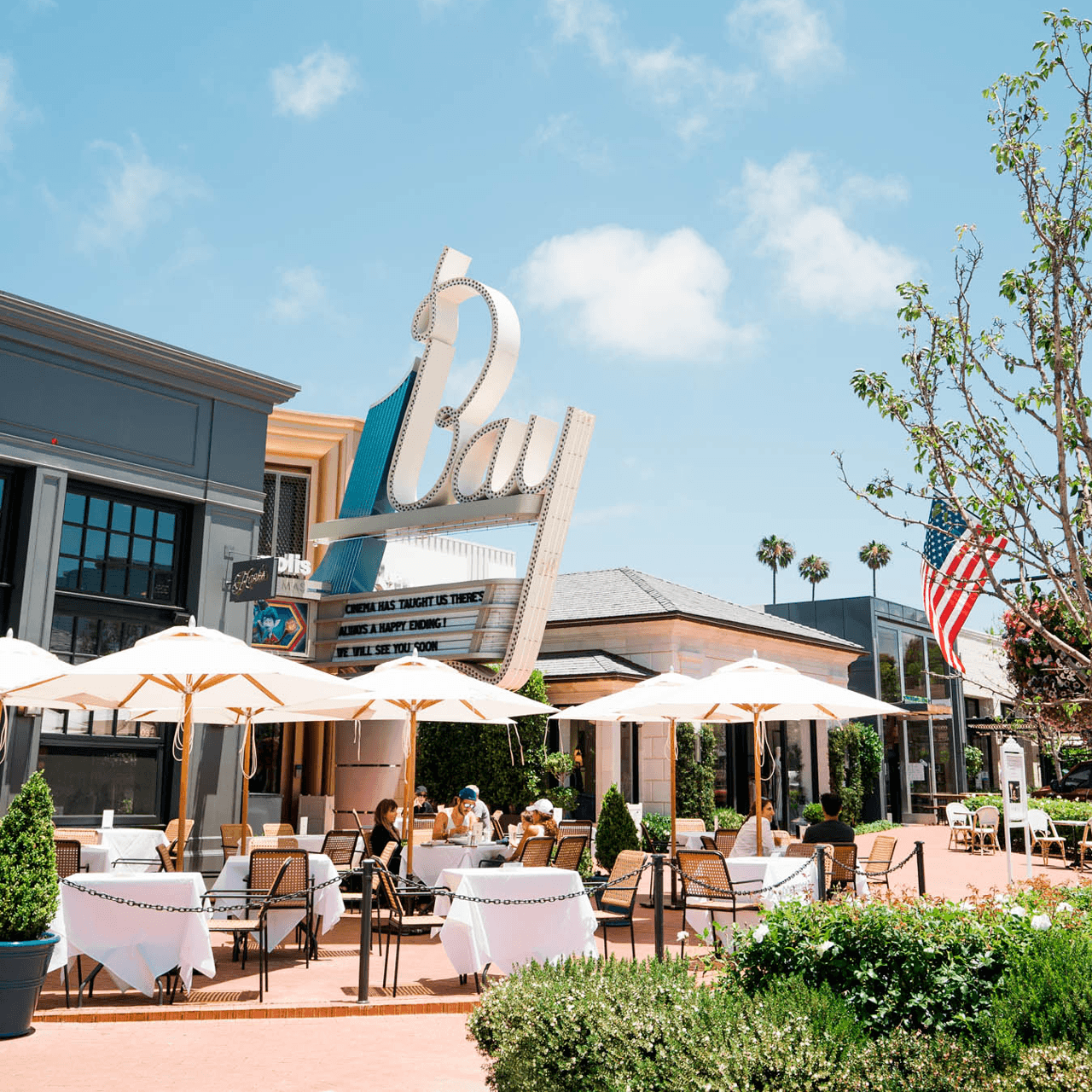
August 15 was a good day up here.
That’s the day Palisades Village reopened, after a $100 million restoration made possible through the hard work of Rick Caruso and the local community. Lights back on in the storefronts. Patios filling. The courtyard busy on a Saturday afternoon the way it used to be.
Ciela sits near Palisades Village, nestled in the Santa Monica Mountains and close enough that a resident can head down for lunch and be home before the afternoon goes quiet. So when Palisades Village reopened, it felt personal. This is our neighborhood, too, and seeing a piece of it come back to life was something worth celebrating.
It also gave us a good excuse to say something we believe as firmly as anything: where a person lives matters. Who is around them matters more.
Go Spend an Afternoon Down the Hill
Every lit storefront down there belongs to somebody. The coffee counter. The bookshop. The restaurant that remembers your table. They came back because they believed people would come back too.
So go prove them right. Buy the coffee. Take your mom to lunch and let it run long. Browse something you had no intention of buying.
Recovery in a neighborhood like this one doesn’t arrive in a press release. It shows up on an ordinary Tuesday, when the patio is full and nobody thinks twice about it.
Our residents have been down there more or less constantly since the reopening, and watching it has been a real pleasure. There is a difference between an outing and going somewhere you know.
Community Isn’t an Amenity. It’s Part of the Care Plan.
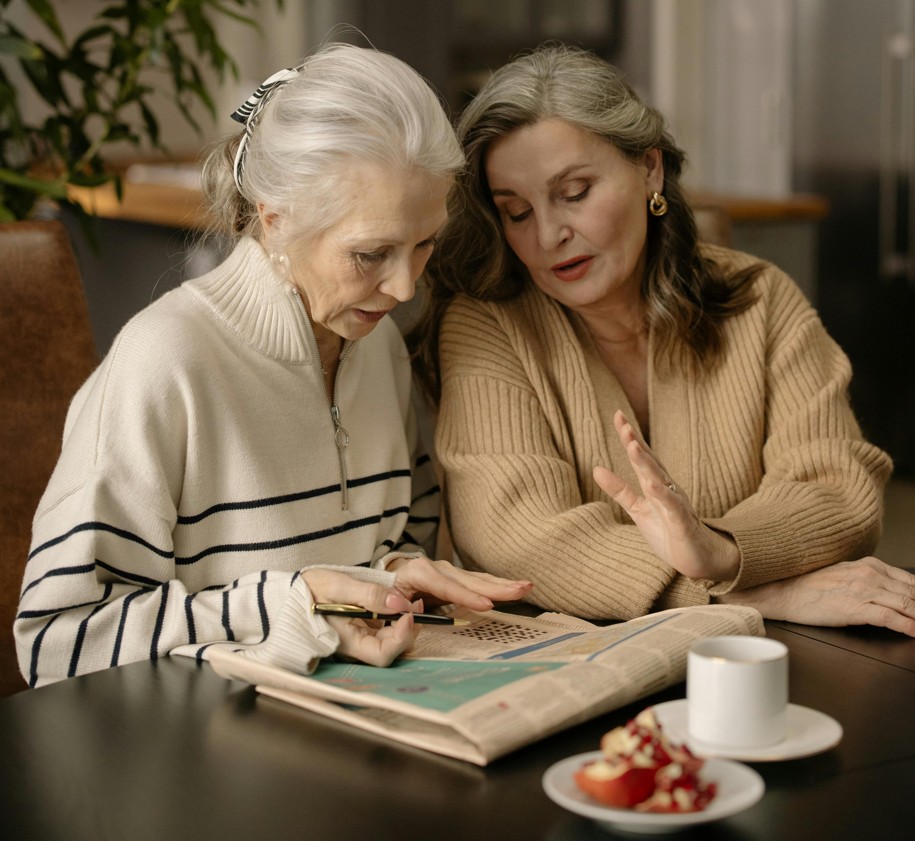
Ask an older adult what they love about a place and it is almost never the amenities. It is the person at the counter who starts the order before you ask. The neighbor you run into without planning to. The ten-minute errand that takes two hours because you kept bumping into people you like.
Those small encounters do more than they get credit for. The U.S. Surgeon General’s advisory on social connection found that strong social ties can raise a person’s odds of survival by roughly 50 percent. Company, conversation, and a reason to leave the house are not extras on top of good care. They are part of it.
That is why we built Ciela around five ideas rather than a list of features: purpose, community, environment, joy, and movement. Three of the five are about other people. That was not an accident.
The version of senior living most families picture is a waiting room. The good version looks more like the Village does right now. Somewhere you are known, with a reason to leave your apartment and someone to do it with.
What to Look For When You Visit a Community
Whether you end up touring Ciela or somewhere else entirely, a handful of things will tell you more than any brochure. Worth knowing before you go:
• Watch the staff when nobody is performing. Do team members greet residents by name in the hallway, unprompted? That one is very hard to fake for the length of a tour.
• Stay for a meal. Ask. Dining is the thing your parent will do three times a day, every day, and it is the fastest read on whether a community is run with care or run on a budget.
• Think about size honestly. A large community can offer more programming. A small one can know your parent better. Neither answer is wrong, but decide which one your family actually needs before you fall in love with a lobby.
• Ask who owns it. Family-owned or national operator changes how decisions get made, how quickly, and by whom. Ask whether the owners are ever onsite.
• Ask what happens when needs change. Can your parent move from assisted living into memory care without leaving the building and the people they know? The answer to that question saves families an enormous amount later.
• Read the activity calendar, not the marketing. A full month of programming tells you what an ordinary Wednesday is really like.
• Notice the light and the outdoor space. Daylight and fresh air affect sleep, appetite, and mood more than most families expect going in.
And bring your parent, if they are up for it. Their read on a place is usually better than yours.
How That Shows Up Here
We are small on purpose. Ciela is family owned and operated rather than run by a national group, and the ownership team is onsite most days, actually engaging with residents. Every resident has a care concierge who quarterbacks the whole plan, with a Wellness Director keeping watch.
Dinner happens at The Heights, our indoor-outdoor rooftop restaurant. The menu leans Mediterranean and California, follows a Blue Zones longevity approach, and pulls produce from local farmers markets.
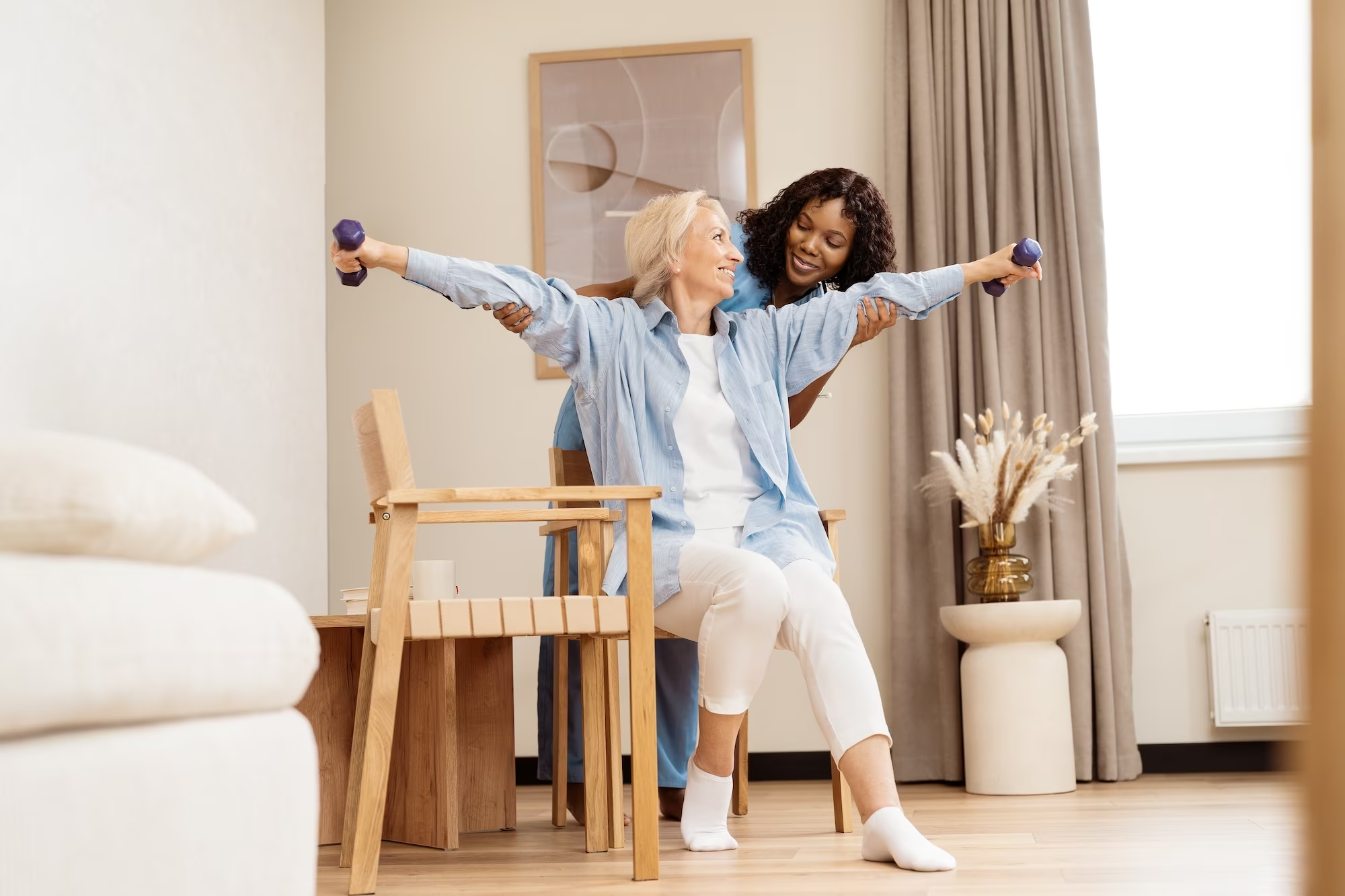
Movement is its own pillar here, which is why the Vitality Center runs hydrotherapy, yoga for stability and balance, barre for posture, acupuncture, red light therapy, and sound-guided meditation - and why we built a dedicated Parkinson’s program around the same idea.
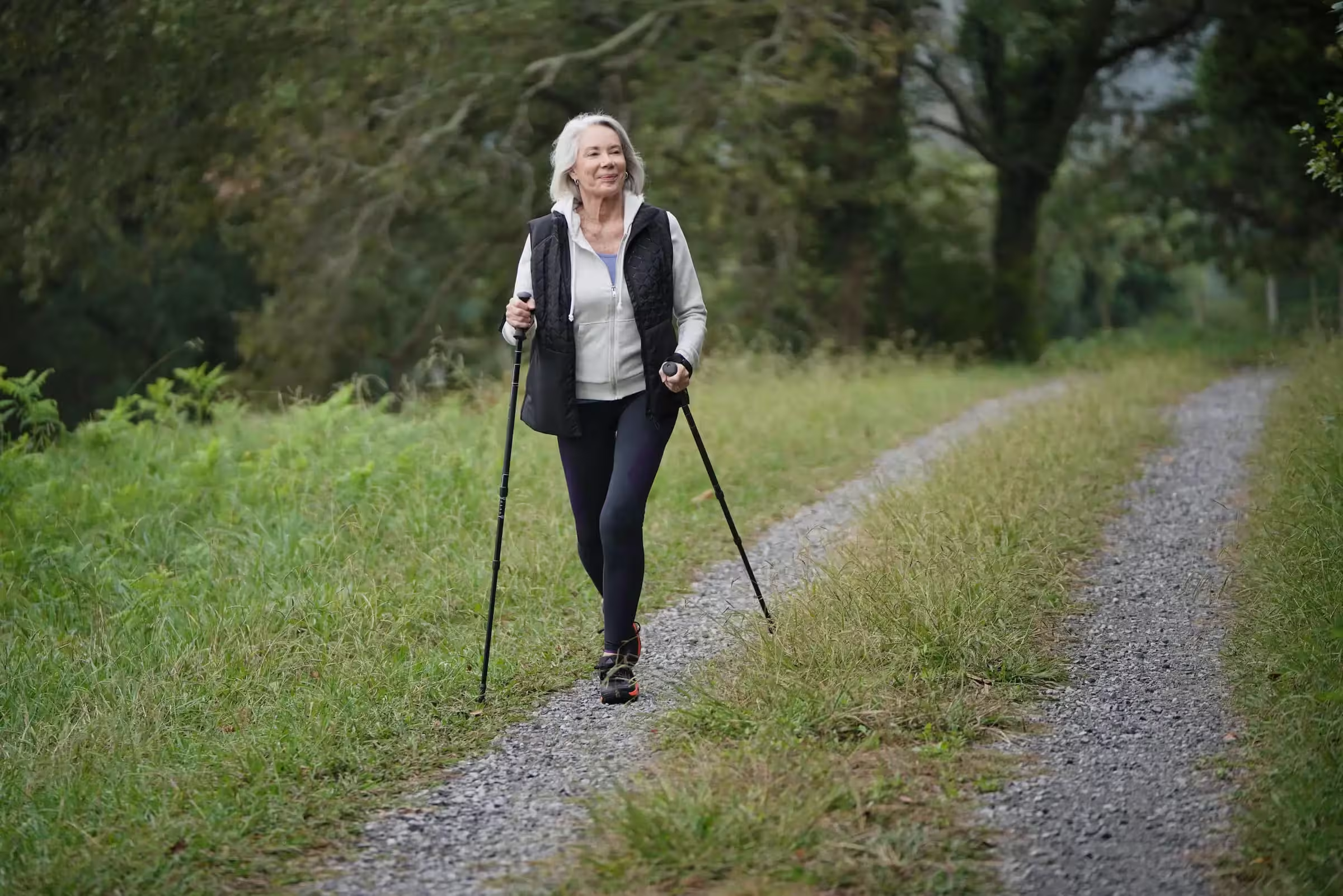
Then there is the ordinary stuff, which is often what families end up talking about: floor-to-ceiling windows, 360-degree views, expansive outdoor space, and a care plan shaped around your parent instead of a template. Love folding your own laundry? Keep it. Hate vacuuming? We’ll handle that while you’re out on your morning walk.
You feel the difference in what no brochure mentions. Somebody already knowing your dad takes his coffee black and can’t stand being fussed over.
Assisted Living or Memory Care? Here’s the Difference
No two families land in the same place, and the level of support should fit the person rather than the other way around.
Assisted living is for an older adult who is still active and could use a hand with a few things in the day. Getting dressed. A shower. Keeping medications straight. A ride to an appointment. It is not about taking independence away. It is closer to the opposite: hand off what has gotten tedious, and there is more left over for what your parent actually loves.
Memory care is specialized support for someone living with Alzheimer’s, dementia, or other cognitive changes, and more families are on this road than ever. An estimated 7.4 million Americans age 65 and older are living with Alzheimer’s this year. The right program makes a genuine difference in how full those days feel.
Our memory care program is called Bloom, and it starts with safety and dignity and is built around who your parent still is rather than the diagnosis. In practice that means reminiscence, music, and art therapy, plus sensory programming. The environment is built to match: enclosed gardens, circadian lighting, secured entries, and a team trained and certified in dementia care.
We do both, and we are glad to help you work out which one fits and how it flexes as things change. Our care options page lays the levels out side by side.
One more thing worth saying, because it comes up on nearly every tour. Around 63 million Americans, close to one in four adults, are family caregivers right now, up almost 50 percent in a decade. If that is you, you are in very good company. Looking into senior living is not giving up on your parent. It is one of the most ordinary and most loving things a person does for the people who raised them. A good community does not take your place in your parent’s life. It gives your place back, so you get to be their kid again instead of their scheduler, nurse, and case manager all at once.
A Neighborhood Putting Itself Back Together
The Palisades still has road ahead of it, and nobody up here is pretending otherwise. But you can feel the direction now. Businesses reopening. Neighbors finding each other again. Weekends that look like weekends.
It is a good neighborhood, and it is becoming more itself every month. We are glad to be part of that.
Come See Us
If you are looking at senior living in Pacific Palisades or anywhere across Los Angeles — anywhere from “just curious” to “we need this soon” — start with a conversation. No pressure and no script. We will walk you through the options, listen to what your family is actually dealing with, and show you what this looks like done well.
Then, if the timing works out, maybe we’ll head down the hill for lunch.
Book a private tour of Ciela and come see it in person. Or call us at (310) 310-8218.