.svg)



Brain health is foundational to living fully at every stage of life—especially for older adults seeking vibrant, independent, and supported senior living. As research in healthy aging and longevity continues to grow, one message is clear: protecting the brain requires consistent, lifestyle-based habits rather than a single supplement or intervention. Research continues to show that there is no single pill or supplement that protects the brain on its own. Instead, the most powerful approach to preserving cognitive health is a daily, lifestyle-based routine—much like a multivitamin for the brain, taken consistently over time.
We recently hosted our friend and colleague Ryan Glatt, PhD(c), MS, CPT, NBHWC of the Pacific Neuroscience Institute to discuss five daily habits proven to help slow cognitive decline and support long-term brain health. Drawing from the latest evidence-based neuroscience research, we outline the five daily, non-negotiable habits for optimizing brain health and slowing cognitive decline.
1. Prioritize Quality Sleep for Brain Health in Older Adults
Sleep is not optional when it comes to brain health—it is essential. During sleep, the brain clears metabolic waste, consolidates memories, and restores neural pathways. Poor sleep quality or untreated sleep disorders are strongly linked to cognitive decline.
Brain-healthy sleep habits include:
• Consistent sleep and wake times
• Managing noise, light, and room temperature
• Limiting caffeine and alcohol
• Regular physical activity
• Addressing chronic sleep issues with a medical professional
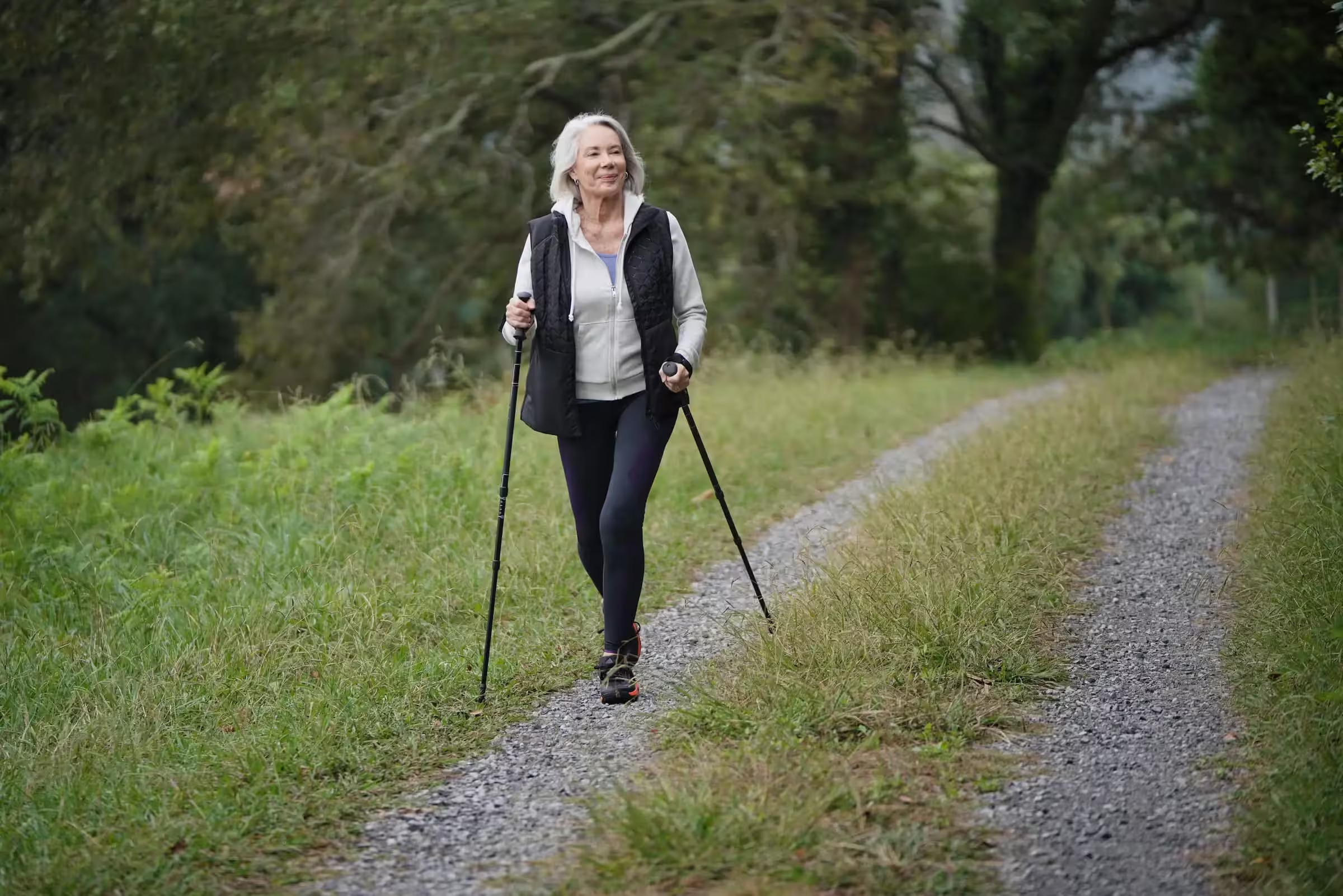
2. Exercise and Movement: A Cornerstone of Brain Health for Seniors
Exercise is one of the most powerful tools we have for protecting the brain. Research shows that multimodal exercise programs—those that combine aerobic, strength, balance, and coordination—offer the greatest cognitive benefit.
Evidence-based guidelines include:
• At least 150 minutes per week of moderate-intensity activity
• Exercise 3–7 days per week
• A mix of aerobic, resistance, and neuromotor training
• Activities that are enjoyable and sustainable
Even more compelling: studies show the greatest impact on dementia prevention when physical exercise is combined with cognitive training.
3. Cognitive Stimulation to Slow Cognitive Decline
The brain thrives on challenge and novelty. Passive activities are not enough—cognitive health requires effortful, engaging stimulation.
Effective cognitive activities include:
• Games (chess, word games, puzzles)
• Learning a new language or skill
• Reading and meaningful conversation
• Art, music, museums, and concerts
• Computer-based cognitive training programs
Aim for 30 minutes of challenging cognitive activity, 3–5 times per week.
4. Stress Management and Cognitive Resilience
Chronic stress negatively impacts memory, focus, and emotional regulation. Incorporating regular stress-management practices helps protect brain function and overall well-being.
Proven stress-reduction tools include:
• Mindfulness meditation (such as MBSR)
• Breathwork
• Progressive muscle relaxation
• Talk therapy or counseling
• Engaging in calming, restorative activities
5. Social Connection and Brain Health in Senior Living
Social engagement is a powerful predictor of cognitive resilience. Regular interaction challenges the brain, supports emotional health, and reduces the risk of isolation-related cognitive decline.
Simple ways to stay socially active:
• Group activities and shared meals
• Classes and workshops
• Conversations and shared hobbies
• Intergenerational and community-based engagement
Socialization doesn’t need to be complex—it just needs to be consistent.
A Daily Brain Health Routine for Healthy Aging
Think of brain health as a daily practice, not a single intervention:
• 30 minutes of physical activity
• 30 minutes of challenging cognitive engagement
• Regular relaxation and stress management
• Meaningful social interaction
• Leisure activities that bring joy and purpose
When practiced together, these habits form the most evidence-based strategy we have to support long-term cognitive vitality.
Conclusion: Building Brain Health Every Day
Brain health is not determined by a single choice, supplement, or moment—it is built through daily habit consistently practiced over time. Research shows that older adults who prioritize quality sleep, regular physical activity, meaningful social connections, stress management, and ongoing cognitive challenge can significantly support memory, focus, and overall cognitive resilience.
We believe the most effective approach to slowing cognitive decline is a multi-domain lifestyle strategy—one that integrates movement, mental stimulation, emotional well-being, and community into everyday life. These five habits work best when practiced together, creating a strong foundation for healthy aging, independence, and vitality.
By making brain health part of your daily routine, you are investing not just in longevity, but in a richer, more engaged quality of life—today and in the years ahead