

.svg)



Watching a loved one live with dementia can be heartbreaking. As memories begin to fade and everyday tasks become more challenging, many families wonder how they can continue to connect in meaningful ways. The truth is that even as dementia changes the way someone experiences the world, moments of joy, comfort, and connection are still possible.
The right activities do much more than fill the day. They encourage conversation, reduce anxiety, inspire creativity, and help seniors feel more engaged with the people around them. Best of all, these moments do not have to be elaborate. Listening to a favorite song, planting flowers, or looking through old family photos together can become the highlight of the day.
If you are caring for someone with dementia, the ten activities below can help create meaningful experiences while supporting emotional, mental, and physical wellbeing.
The 10 Best Activities for Seniors With Dementia
The most effective activities for people living with dementia are simple, familiar, and matched to what the person can still do comfortably. The ten below are widely used by caregivers and memory care teams:
- Gardening
- Art projects
- Music and singing
- Simple puzzles and games
- Cooking or baking
- Gentle physical exercise
- Sorting activities
- Reading and storytelling
- Time with pets
- Looking through photos and reminiscing
1. Gardening
Gardening engages several senses at once, which makes it one of the most calming activities for someone with dementia. Feeling the soil, smelling fresh herbs, or watching flowers bloom creates a rewarding experience that does not depend on memory.
The activity does not have to be physically demanding. Watering plants, planting herbs in small pots, or arranging flowers are all simple ways to stay involved. Gardening also creates natural openings for conversation and gives seniors something to look forward to as they watch their plants grow. Raised beds and container gardens make it easier for residents who use a walker or wheelchair, which is why many communities build them into their outdoor spaces and amenities.
2. Art Projects
Art gives people a way to express themselves when words become harder to find. Painting, coloring, drawing, and simple crafts let someone communicate through color and shape rather than language.
There is no need to focus on creating something perfect. The goal is to enjoy the experience together. Encouragement and praise help build confidence and keep the activity relaxing. The Alzheimer's Association notes that art and music activities can provide enrichment and self-expression well into the later stages of the disease.
3. Music and Singing
Music often reaches people with dementia when other approaches do not. A favorite song from years ago can bring a smile, prompt singing, or get someone tapping their feet, even when recent memories have faded.
Build a playlist around your loved one's favorite artists or the decades that meant the most to them. The National Institute on Aging suggests playing music, talking about the artist, and asking what the person was doing when the song was popular to turn listening into conversation. Whether you sit quietly together or dance around the living room, music creates connection that words alone cannot.
4. Simple Puzzles and Games
Games keep the mind active while staying social, as long as the difficulty matches your loved one's current abilities. The right game feels fun. The wrong one feels like a test.
Large piece puzzles, bingo, matching games, and simple card games are excellent options. Keep the rules easy to follow, skip scorekeeping, and let the pace stay relaxed so everyone can focus on enjoying the time together.
5. Cooking or Baking
Preparing a familiar recipe together can awaken memories through smell, taste, and routine. Baking cookies, making sandwiches, or putting together a fruit salad are all approachable options.
Even small tasks like stirring ingredients, washing vegetables, or setting the table help seniors feel involved and give them a sense of accomplishment. Food is a natural gathering point, which is why shared meals sit at the center of daily life and dining in most senior living communities. Keep sharp knives and hot surfaces managed by the caregiver, and hand off the steps that feel safe and satisfying.
6. Gentle Physical Exercise
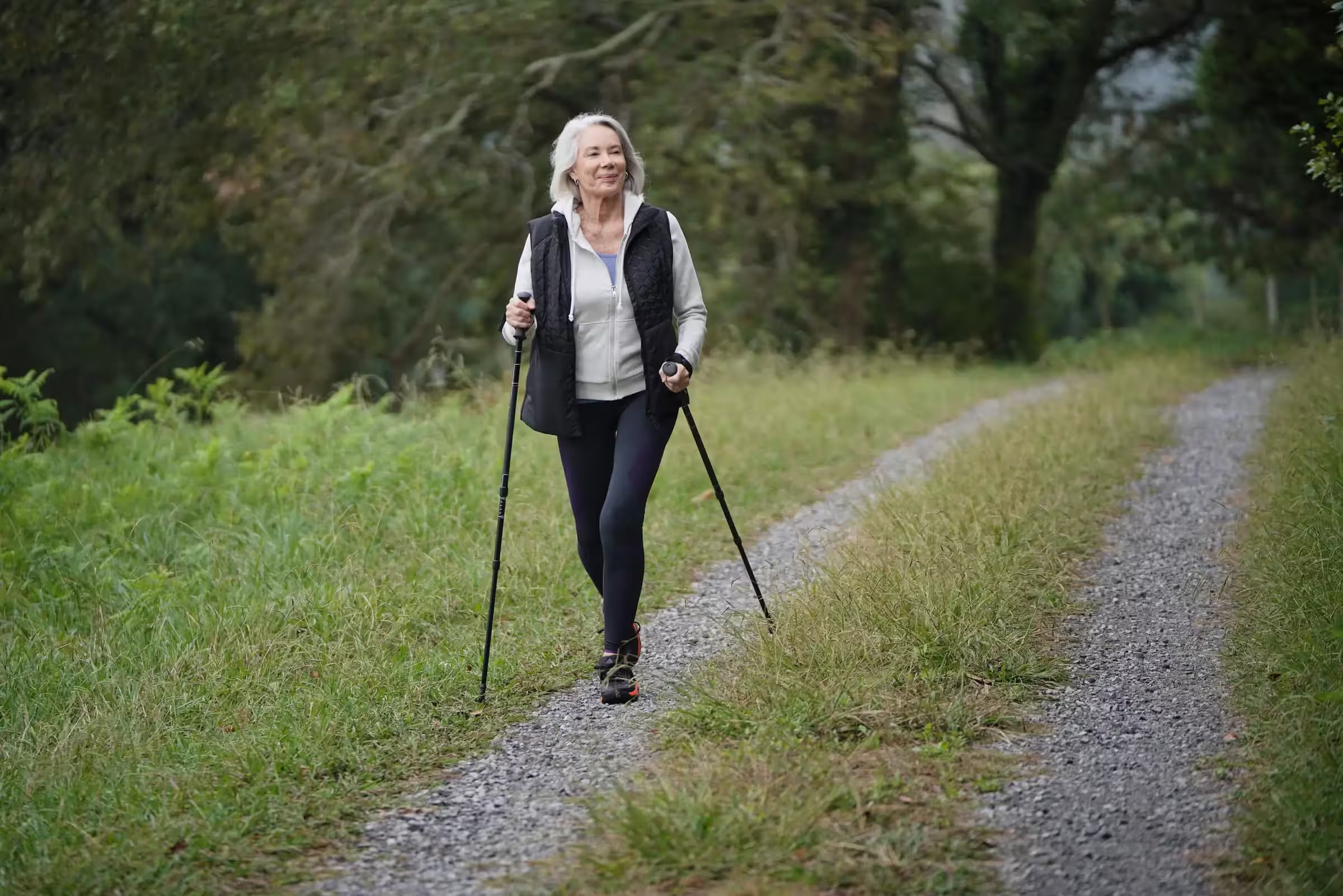
Movement supports both mood and mobility, and it does not require a formal workout. Gentle stretching, chair exercises, short walks, and dancing to favorite music all count.
Federal caregiving guidance from Alzheimers.gov recommends several short mini workouts rather than one long session, adding music to help with motivation, and taking a walk together each day. The goal is not fitness for its own sake. It is helping seniors stay mobile, enjoy their surroundings, and feel good throughout the day. Structured programs like hydrotherapy, yoga, and balance work can extend the same idea with professional supervision.
7. Sorting Activities
Simple sorting tasks are surprisingly calming because they are repetitive, predictable, and impossible to get wrong. Organizing buttons by color, matching socks, sorting playing cards, or arranging household items provides a gentle sense of purpose.
These tasks encourage concentration and help maintain fine motor skills without feeling overwhelming. They also work well during restless parts of the day, such as late afternoon.
8. Reading and Storytelling
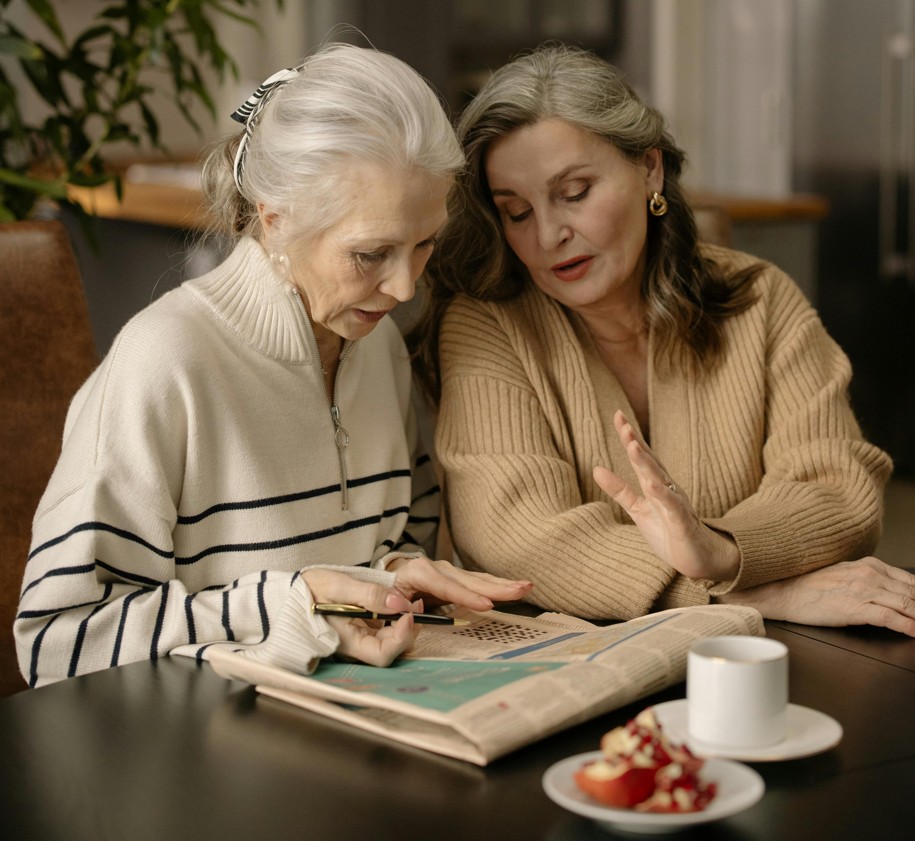
Reading together creates quiet moments of connection, whether it is a favorite novel, a magazine, poetry, or a picture book. Shared stories often spark conversation and bring comfort.
If reading becomes difficult, audiobooks work just as well. So does reminiscing about family traditions, vacations, and childhood memories. The Alzheimer's Association describes reminiscence as a therapy in its own right, one that helps people feel connected to their own history. There is no need to get every detail right. Enjoying the conversation is the point.
9. Time With Pets
Animals offer comfort and companionship without asking anything of memory or language. Time with a gentle pet often brings out smiles, eases stress, and helps seniors relax.
If a live animal is not an option, a realistic therapy pet or a soft plush companion can provide similar comfort. For many people, simply holding and petting something soft is enough to settle a difficult moment.
10. Looking Through Photos and Reminiscing
Old photographs give a conversation something to hold onto. Family albums, wedding pictures, and photos of former homes or workplaces often prompt stories that surprise everyone in the room.
Keep the questions open ended and avoid quizzing. Instead of asking who someone is, try asking what the day felt like or what happened next. If a memory comes back differently than you remember it, follow their version rather than correcting it.
How to Adapt Activities as Dementia Progresses
The best activity is the one that matches the person's current abilities, not the one that worked last year. The National Institute on Aging recommends matching the activity to what the person can do, helping them get started, watching for signs of frustration, and letting them simply watch if that is what they seem to enjoy.
A few practical adjustments help across every stage:
- Break activities into one or two steps instead of full sequences
- Schedule activities during the person's best time of day, often mid morning
- Reduce noise and visual clutter so the activity is easier to focus on
- Offer a choice between two options rather than an open ended question
- Stop before fatigue sets in, even if things are going well
- Repeat what works, because familiarity is comforting rather than boring
Building these activities into a predictable rhythm matters as much as the activities themselves. The Alzheimer's Association offers guidance on creating a daily care plan that organizes the day around the times a person functions best.
Why Meaningful Activities Matter
For someone living with dementia, meaningful activities provide more than entertainment. They create opportunities to connect with loved ones, maintain familiar routines, and experience moments of happiness throughout the day.
Activities that reflect a person's own interests and abilities feel more natural and more enjoyable. They reduce restlessness, encourage communication, and provide a sense of accomplishment through the simplest tasks.
The benefits of engaging activities include:
- Encouraging a sense of purpose
- Reducing anxiety and creating calm
- Supporting communication and social connection
- Inspiring creativity and self expression
- Promoting gentle movement
- Building confidence through positive experiences
- Strengthening relationships with family and caregivers
- Bringing more joy to everyday life
Perhaps the most important reminder is that there is no perfect activity. Some days your loved one may participate eagerly. Other days they may simply enjoy sitting beside you. Both are valuable. What matters most is spending time together in a way that feels comforting and familiar.
Frequently Asked Questions
What are the best activities for seniors with dementia? The best activities are simple, familiar, and matched to the person's current abilities. Gardening, art, music, sorting tasks, baking, gentle exercise, reading, time with pets, and looking through old photos are all effective because they rely on senses and long term memory rather than recall.
How long should an activity last for someone with dementia? Most people do best with short sessions of roughly 15 to 30 minutes, and shorter as dementia progresses. Watch for signs of fatigue or frustration and end the activity before they appear rather than after.
What activities should be avoided? Avoid anything that feels like a test, involves complicated multi step instructions, or creates a chance of visible failure. Also avoid loud, crowded, or overly stimulating environments, which tend to increase agitation.
Do activities actually slow dementia? Activities are not a treatment and do not stop the underlying disease. They support quality of life by reducing agitation, encouraging movement, and preserving connection. For questions about medical treatment and progression, talk with your loved one's physician and review guidance from the National Institute on Aging.
What if my loved one refuses to participate? Refusal is common and rarely personal. Try again at a different time of day, offer a simpler version of the same activity, or start it yourself and let them join when they are ready. Sitting together quietly is a legitimate outcome.
When is it time to consider memory care? Families often begin looking at memory care when daily activities become unsafe at home, when wandering or sundowning increases, or when caregiver exhaustion starts affecting their own health. Comparing levels of care early makes the decision less stressful when the time comes.
Compassionate Memory Care at Ciela
Caring for someone with dementia is rewarding, and it can also be exhausting. The right support changes the experience for seniors and families alike.
At Ciela, we believe every resident deserves to feel known, valued, and connected. Our memory care program in Pacific Palisades is built around each individual's needs, interests, and life history. Through engaging daily activities and social programming, compassionate caregivers, and thoughtfully designed spaces, we create an environment where residents continue to find purpose and enjoy real moments of joy.
If your loved one's needs are still changing, our team can walk you through assisted living and memory care side by side so you understand what each level provides.
Whether you are just beginning to explore memory care or looking for more support for a loved one, we are here to help. Schedule a tour of Ciela and see how our approach supports your family with compassion, understanding, and exceptional care.





.svg)



