

.svg)


When people picture assisted living, they often think about the practical side of care: help with daily tasks, medication reminders, prepared meals, and a safe place to call home. All of that matters. But there is another part of senior living that has just as much impact on quality of life, and it is easy to overlook.
That part is activities.
The right activities do more than fill the calendar. They keep the body moving, the mind engaged, and the spirit connected. For many older adults, a thoughtful activities program becomes one of the most meaningful parts of daily life in a community.
If you are exploring senior living options for yourself or someone you love, understanding how assisted living activities support overall wellness can help you choose a community that feels like the right fit.
How Assisted Living Activities Support Senior Wellness
Wellness is about more than physical health. It includes how a person feels emotionally, how connected they are to others, how engaged their mind stays, and whether they feel a sense of purpose each day.
A strong activities program touches all of these areas at once.
Aging can sometimes mean fewer reasons to leave the house, fewer chances to socialize, and less daily structure. Over time, that can quietly affect a person's energy, mood, and confidence. A day with little to do can feel longer and lonelier than it should.
Assisted living communities help change that. By offering a variety of activities throughout the week, they create natural opportunities to move, connect, learn, and have fun. These everyday experiences are also a big part of how assisted living communities support seniors' mental health. Just as importantly, they give residents something to look forward to.
The best activity programs are not about keeping people busy. They are about helping residents stay active, involved, and genuinely engaged in a life that feels full.
Physical Activities That Keep Seniors Strong and Mobile
Staying physically active is one of the most powerful things older adults can do for their health, and assisted living communities make it easier and more enjoyable.
Many communities offer gentle, age appropriate options such as group fitness classes, chair exercises, stretching sessions, walking clubs, balance and strength programs, or even dancing. Some also offer yoga, tai chi, or aquatic exercise designed with seniors in mind.
Regular movement can support balance, flexibility, strength, and energy levels. For many seniors, staying active also plays an important role in maintaining independence and reducing the risk of falls.
What makes these activities work is that they are social and approachable, not intimidating. Exercising alongside neighbors turns a workout into a shared experience, which makes it far more likely that residents will keep showing up.
Social Activities That Build Connection and Belonging
Loneliness can take a real toll on older adults, and social connection is one of the most important ingredients in emotional wellness.
This is where group activities shine.
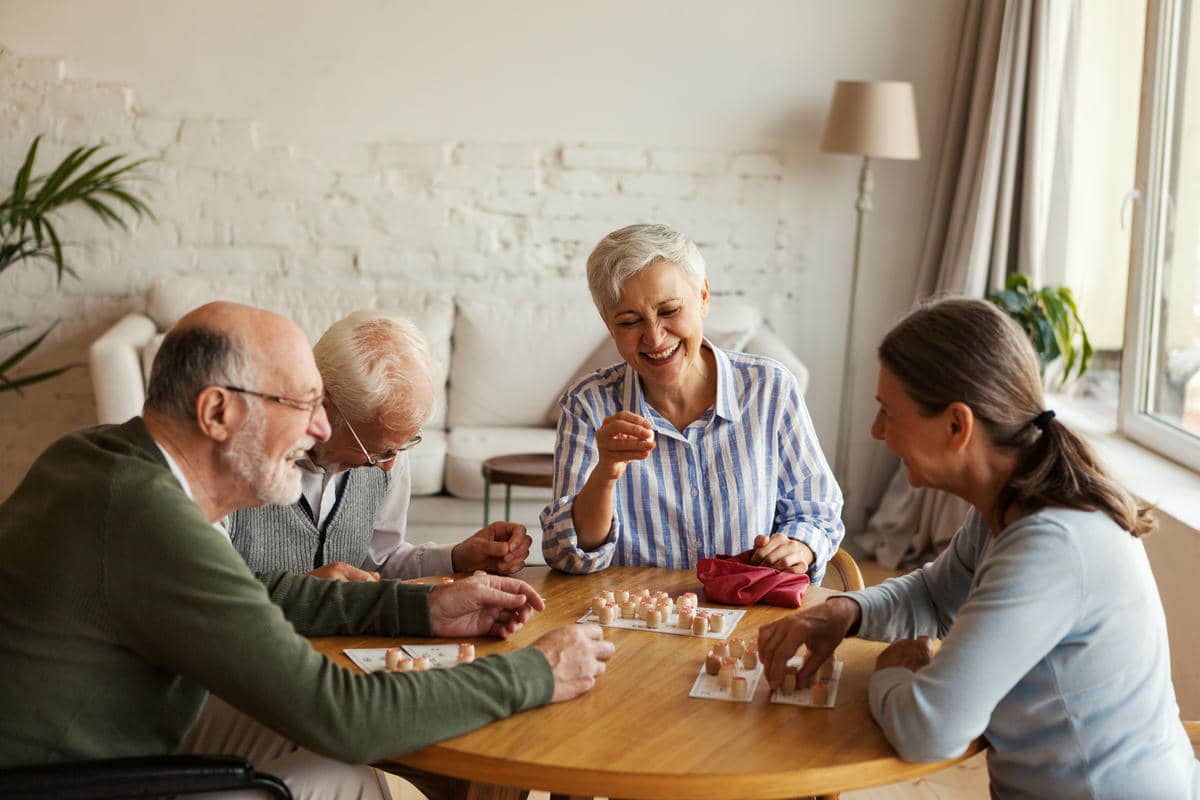
Shared meals, game nights, holiday celebrations, coffee chats, clubs, music programs, and group outings give residents regular, easy ways to spend time with others. These moments may seem small, but they add up to something meaningful: a sense of belonging.
When someone knows their neighbors, has people to sit with at dinner, and feels part of a community, daily life feels warmer and more connected. Friendships formed over a card game or a craft table can become some of the most valued relationships in a person's life.
For families, seeing a loved one laugh with friends or look forward to an event can bring real peace of mind.
Cognitive and Lifelong Learning Activities That Keep Minds Sharp
Keeping the mind active is just as important as keeping the body moving, and assisted living communities offer plenty of ways to do it.
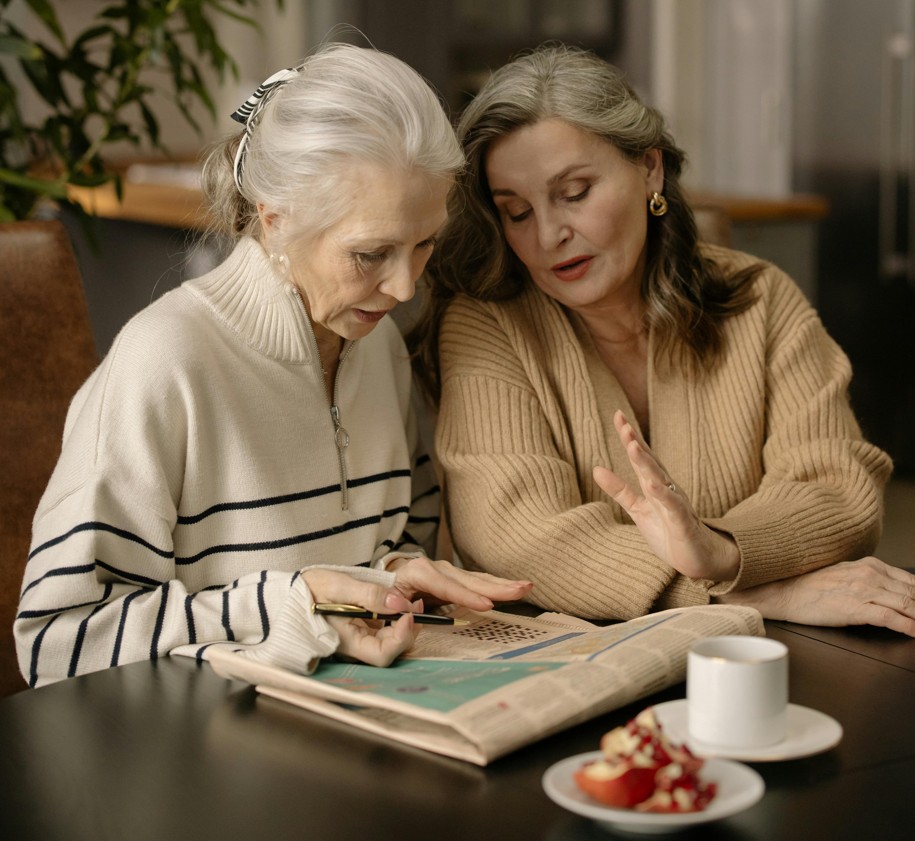
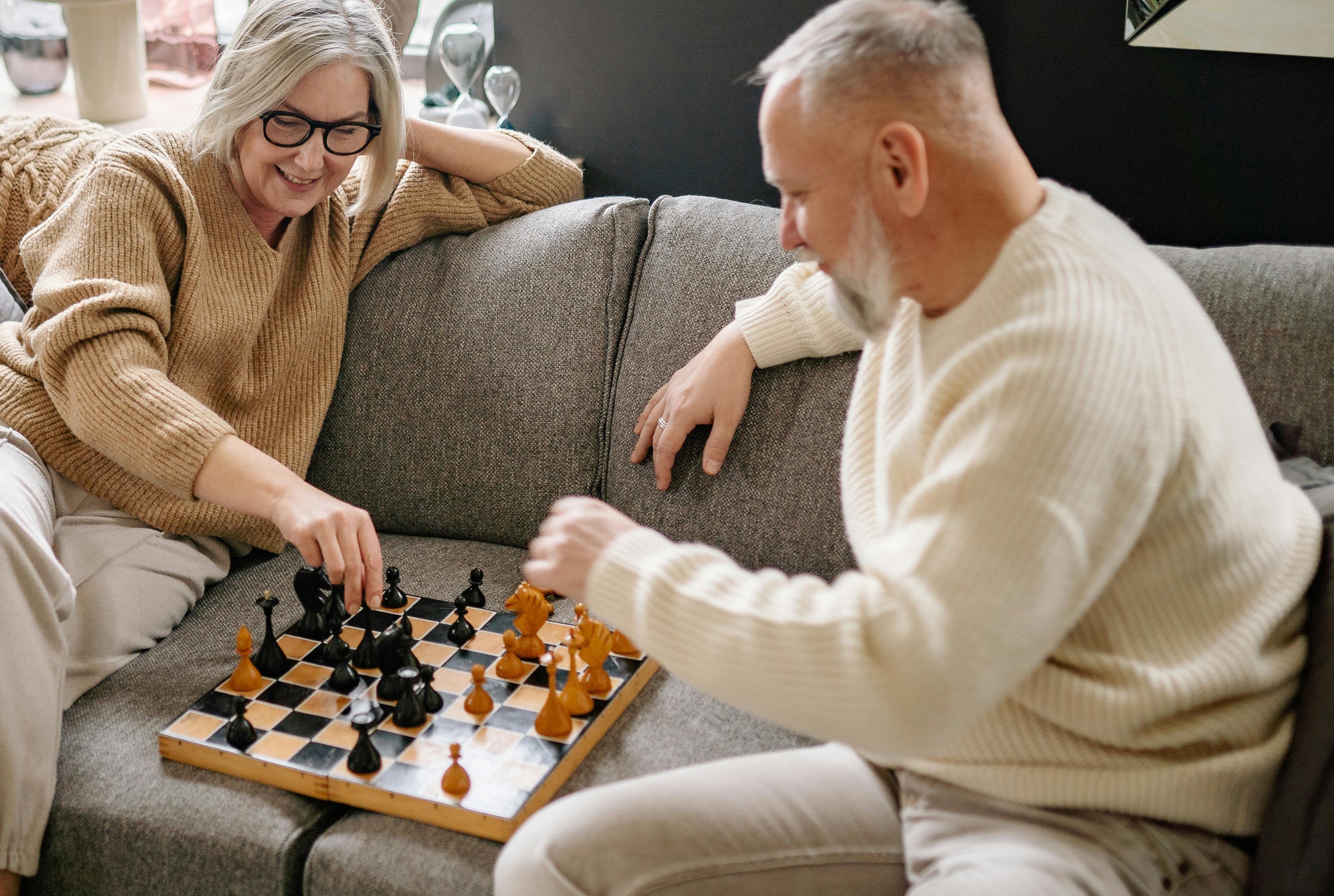
Activities like trivia, puzzles, book clubs, discussion groups, guest speakers, educational classes, and brain games help keep thinking sharp and curiosity alive. Many communities also offer opportunities to learn something new, whether that is a craft, a language, a technology skill, or a creative hobby.
Mental stimulation supports focus, memory, and engagement. Just as meaningfully, learning and discovery give seniors a reason to stay curious and involved.
The idea that growth stops with age simply is not true. Many residents discover new interests and talents later in life, and a good activities program helps make that possible.
Creative and Expressive Activities That Bring Joy and Purpose
Creativity is a wonderful outlet at any age, and it plays an important role in emotional wellness.
Art classes, music programs, gardening, cooking, crafting, storytelling, and theater give residents ways to express themselves, share their experiences, and find joy in the process. These activities are not about being an expert. They are about engagement, enjoyment, and self expression.
Creative activities can be calming, uplifting, and deeply satisfying. They also create opportunities for connection, since making something alongside others naturally sparks conversation and shared pride.
For many seniors, these moments bring a renewed sense of purpose, the feeling of contributing, creating, and being part of something.
Why Personalized Activity Programs Matter
No two residents are exactly alike, and their interests are not either. One person may love a packed social calendar full of classes and outings. Another may prefer quieter activities, smaller groups, or one on one engagement.
That is why personalization matters so much.
Quality assisted living communities take the time to learn what each resident enjoys, then offer a variety of activities that reflect different interests, abilities, and energy levels. The goal is never to push anyone into something that does not feel right. It is to make sure every resident has meaningful, comfortable ways to stay engaged.
This kind of individualized approach also adapts over time. As needs and preferences change, a thoughtful community adjusts its support so residents can keep participating in ways that feel good for them.
What to Look for in an Assisted Living Activities Program
When you are touring communities, the activities program can tell you a lot about daily life there.
Ask to see a sample activities calendar. Is there real variety, with options for movement, socializing, learning, and creativity? Are activities offered throughout the week, including evenings and weekends? Are there choices for different interests and ability levels?
Pay attention to the atmosphere too.
Do residents seem genuinely engaged and comfortable? Are staff members warm and encouraging? Does it feel like activities are built around the people who live there, not just checked off a list?
If you can, visit during an activity or attend an event. Seeing residents in action often reveals more than any brochure. You will get a real sense of whether the community feels lively, welcoming, and supportive.
Finding a Community Where Seniors Truly Thrive
A great assisted living community does more than meet basic needs. It creates opportunities for residents to stay active, connected, curious, and joyful every single day.
The right activities can support physical health, sharpen the mind, build friendships, and bring a renewed sense of purpose. Together, these everyday experiences add up to something powerful: a life that feels full, engaged, and meaningful.
Every senior is different, and what feels fulfilling for one person may look different for another. That is why it is worth taking the time to explore communities, ask questions, and see daily life firsthand before making a decision.
If you are exploring senior living options for yourself or someone you love, you do not have to figure it all out alone. Whether you are looking for guidance, reassurance, or simply a place to start, the team at Ciela is here to listen and help you find a community where your loved one can truly thrive.






.svg)



