

.svg)


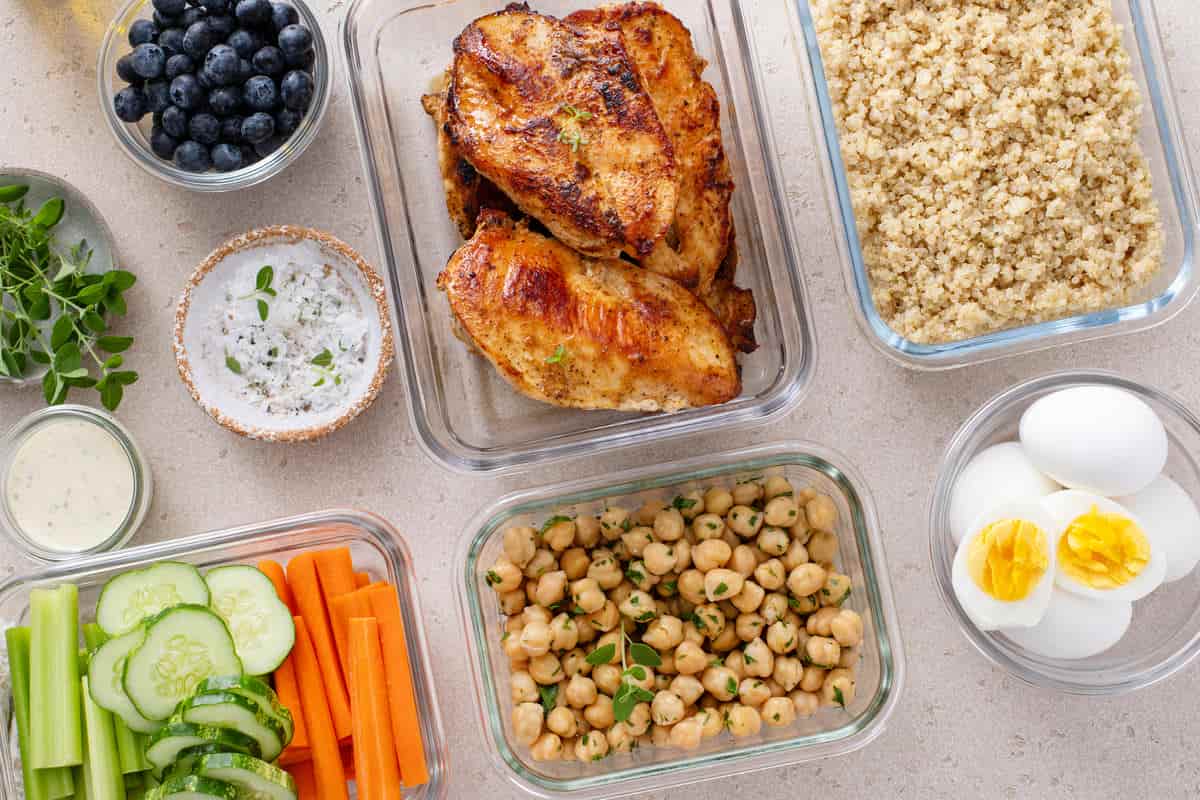
Most older adults need more protein than the standard adult recommendation. Research summarized by the Administration for Community Living's National Resource Center on Nutrition and Aging suggests older adults consume 1 to 1.2 grams of protein per kilogram of body weight per day, compared with the 0.8 grams per kilogram recommended for adults generally.
For someone weighing 150 pounds, that is roughly 68 to 82 grams a day, against about 54 grams under the standard guideline. It is a meaningful difference, and it is harder to reach than most people expect, particularly if appetite has shrunk.
There is an important exception, and it comes before everything else on this page.
If you have kidney disease, this guidance may not apply to you. The PROT-AGE Study Group, whose recommendations underpin most of the higher-protein advice for older adults, names severe kidney disease as an explicit exception and notes that those individuals may need to limit protein instead. Chronic kidney disease is common in older adults and frequently undiagnosed. Before increasing your protein intake, ask your physician whether it is appropriate for you. This is not a formality.
Why protein matters more with age
The reason is a condition called sarcopenia, the progressive loss of muscle mass and strength that comes with aging.
Nearly half the protein in the body is in muscle, and muscle mass declines steadily from midlife onward. The ACL fact sheet notes that sarcopenia can lead to frailty, disability, loss of independence, and death. That is a blunt way to put it, and it is accurate.
The practical version is more familiar. Strength is what gets you out of a chair without using your arms. It is what carries groceries in from the car, manages a flight of stairs, and keeps a stumble from becoming a fall. When it goes, independence tends to follow.
Two things slow that decline: adequate protein and resistance exercise. Neither works well without the other. Eating more protein without using your muscles does considerably less than the food alone would suggest, which is why every serious recommendation on this topic pairs the two.
Working out your own number
The math is simple enough to do at the kitchen table.
- Divide your weight in pounds by 2.2 to get kilograms. A 160-pound person is about 73 kg.
- Multiply by 1.0 to 1.2. For that person, roughly 73 to 88 grams a day.
- Compare it to what you actually eat now. Most people are surprised. Research suggests at least half of adults 65 and older fall below 1.0 gram per kilogram.
Some people need more. The PROT-AGE recommendations put older adults with acute or chronic illness in the range of 1.2 to 1.5 grams per kilogram, and higher still during recovery from serious illness or injury. That is a conversation for your physician or a registered dietitian, not a number to adopt on your own.
What that actually looks like in food
Grams per kilogram is an awkward way to think about dinner. Here is the same information in food, using approximate values.
Animal sources
- 3 oz chicken breast: about 26 g
- 3 oz salmon: about 22 g
- 3 oz canned tuna: about 20 g
- 1 cup Greek yogurt: about 20 g
- 1/2 cup cottage cheese: about 13 g
- 1 cup milk: about 8 g
- 1 large egg: about 6 g
- 1 oz cheese: about 7 g
Plant sources
- 1/2 cup cooked lentils: about 9 g
- 1/2 cup black beans: about 8 g
- 1/2 cup firm tofu: about 10 g
- 2 tbsp peanut butter: about 8 g
- 1 oz almonds: about 6 g
Look at those numbers alongside your target and the gap usually becomes obvious. A breakfast of toast and coffee contributes almost nothing. Getting to 80 grams on two protein-containing meals is difficult. Getting there across three meals and a snack is straightforward.
Spread it across the day rather than loading dinner
Most people eat very little protein at breakfast, a moderate amount at lunch, and most of the day's total at dinner. Guidance from the National Resource Center on Nutrition and Aging recommends including protein at every meal and snack instead.
The practical case for this is simple: it is easier. Twenty to thirty grams at each of three meals gets you to the target without any single meal feeling like a chore, which matters a great deal if appetite is limited.
What that can look like:
- Breakfast. Greek yogurt with fruit, eggs, cottage cheese, or oatmeal made with milk and a spoonful of nut butter
- Lunch. Beans in a soup, tuna, chicken on a salad, tofu in a stir fry, or a sandwich with real portions of meat or cheese
- Dinner. Fish, poultry, lentils, or whatever you already cook
- Snacks. Nuts, yogurt, hummus, cheese, or nut butter with fruit
Breakfast is where most people find the easiest gains, because it is usually the meal with the least protein and the one most open to substitution.
When appetite is the problem
A smaller appetite is common with age, and it makes protein targets harder to reach for reasons that have nothing to do with willpower.
What tends to help:
Lead with protein. Eat the protein on the plate first, while appetite is highest. The vegetables and starch are more forgiving if the meal goes unfinished.
Make the calories count. When someone is eating less overall, low-calorie foods work against them. Whole milk, full-fat yogurt, and added olive oil or nut butter deliver more nutrition in less volume.
Try liquids. A smoothie with Greek yogurt or milk often goes down when a plate of food will not. This is one of the most reliable workarounds.
Keep it easy to reach. Hard-boiled eggs, cottage cheese, cheese sticks, canned tuna, and yogurt require no cooking. When making a meal feels like too much, the presence of ready food is what determines whether anything gets eaten.
Address the texture, not the food. If chewing is the barrier, softer sources such as yogurt, cottage cheese, eggs, tofu, beans, and flaked fish are usually easier than meat.
Worth saying directly: ongoing difficulty eating, unexplained weight loss, or trouble chewing or swallowing should be discussed with a physician rather than solved with a recipe. Swallowing difficulty in particular carries real risk and has specific medical management.
Do you need protein supplements or powders?
For most people, no. Food does the job, and whole foods bring other nutrients along with the protein.
Supplements and fortified foods have a genuine place when someone cannot reach their target through eating, which is most often the case during illness recovery, with significantly reduced appetite, or alongside swallowing difficulty. In those situations they are useful and sometimes necessary.
Two cautions. Protein powders are minimally regulated, and content claims are not independently verified in the way food labels are. And if kidney function is a question at all, supplements make it much easier to reach intakes that would be inappropriate. Loop in a physician or dietitian before adding one.
Protein is one part of the plate
Given how much attention protein gets right now, it is worth stating plainly that it is not the whole picture.
Fruits, vegetables, whole grains, healthy fats, and adequate fluid all still matter. So does the fact that older adults often need fewer total calories while needing the same or more of most nutrients, which makes overall food quality more important rather than less.
And food should be worth eating. A nutritionally ideal diet nobody enjoys does not get followed, which makes it worse in practice than a good one somebody actually likes.
Frequently asked questions
How much protein does a 70-year-old need per day? Research summarized by the Administration for Community Living recommends 1 to 1.2 grams per kilogram of body weight daily for older adults, above the 0.8 grams per kilogram recommended for adults generally. For a 150-pound person, that is roughly 68 to 82 grams a day. People with acute or chronic illness may need more, and people with kidney disease may need less.
Do older adults need more protein than younger adults? Yes, according to current research. The higher requirement is driven by sarcopenia, the age-related loss of muscle mass and strength, and by the fact that older adults use dietary protein less efficiently for muscle maintenance than younger adults do.
What is the best protein for seniors? There is no single best source. Both animal and plant proteins contribute. Greek yogurt, eggs, cottage cheese, fish, poultry, beans, lentils, tofu, nuts, and seeds are all effective. The more useful question is whether you are getting protein at every meal rather than concentrating it at dinner.
Can too much protein be harmful for older adults? For most healthy older adults, intakes in the 1 to 1.2 gram per kilogram range are considered safe. The significant exception is kidney disease. Expert recommendations specifically identify severe kidney disease as a case where protein may need to be limited rather than increased, so anyone with reduced kidney function should get individualized guidance before changing their intake.
How can I get more protein if I have a small appetite? Eat the protein on your plate first, choose higher-calorie versions such as whole milk and full-fat yogurt, use smoothies when solid food is unappealing, and keep no-cook options on hand. Persistent appetite loss or unexplained weight loss should be evaluated by a physician.
Do I need a protein shake or powder? Usually not. Most older adults can reach their target through food. Supplements are genuinely useful during illness recovery, with significantly reduced appetite, or with swallowing difficulty. Because protein supplements are lightly regulated and make high intakes easy to reach, check with a physician or dietitian first, especially if kidney function is a concern.
Does protein alone prevent muscle loss? No. Protein and resistance exercise work together, and neither achieves much without the other. Current recommendations pair adequate protein intake with strength and endurance activity at a level that is safe for the individual.
Dining at Ciela
Meeting protein needs is considerably easier when someone else is planning the meals.
At Ciela, our culinary program serves Mediterranean and California cuisine sourced from local farmers' markets. Residents eat prepared meals in a dining room rather than alone at home, which addresses two things at once, since appetite and company are more closely linked than most nutrition advice acknowledges.
If you have specific dietary needs, ask about them on a tour. Any community worth considering should be able to tell you exactly how they handle it.
Protein also works best alongside movement, which is why our Vitality Center offers strength training, physical therapy, and fitness classes built for older adults.
Ciela in Pacific Palisades, CA, is a boutique luxury senior living community offering independent living, assisted living, memory care, and short term stays. Contact us to arrange a personalized tour.
This article is general information and not medical or nutritional advice. Talk with your physician or a registered dietitian before making significant changes to your diet, particularly if you have kidney disease, diabetes, or another condition affected by protein intake.
California RCFE license #198320375







.svg)



