There may be a moment during a visit when your mother or father points out something you would otherwise have missed: the light across the garden, a particularly good cup of coffee, a neighbor who remembered their birthday.
Those small pleasures can be easy to overlook when your family is busy managing appointments or thinking about a move. Giving them a little attention can make a visit feel more personal. You get to hear what matters to them today.
Gratitude is the practice of noticing and appreciating something meaningful. For older adults, it can be a gentle way to reflect, connect with others, and enjoy ordinary moments. It works best when it is voluntary and specific, with room for difficult feelings too.
What gratitude can offer as life changes
Aging can bring more time for favorite people and interests. It can also bring loss, health concerns, or the adjustment of leaving a longtime home. Someone navigating these changes may feel several things at once.
Research on gratitude interventions suggests modest benefits for psychological wellbeing, including positive feelings and life satisfaction. Responses vary, and these studies do not establish that gratitude prevents illness or treats depression.
For a family, its everyday value can be wonderfully simple: gratitude offers another kind of conversation. Alongside “Did you take your medication?” there can be “What did you enjoy this week?”
That question opens a conversation about life beyond the tasks you are helping manage.
Five small practices to try together
Notice one good moment
Start with something concrete. A lovely lunch. A funny message from a grandchild. A few minutes outside. One moment is enough; there is no need to produce an impressive list.
You might share yours first: “I loved having this time with you today.” Then leave space for a response, or simply enjoy the moment together.
Make appreciation personal
Rather than a broad “Thanks for everything,” name something you have carried with you from childhood: a recipe you still make, a habit you learned from them, or the way they welcomed your friends.
“I still use your trick for making the table feel special” is an invitation to a story. It is a reminder that their influence continues in your everyday life.
Keep a shared note
A notebook, a few photographs, or a family text thread can hold little things you appreciate. Choose a format that feels enjoyable rather than demanding. If writing is tiring, offer to write down their words with permission.
The point is to create something pleasant to return to. Nobody needs to keep up a daily streak.
Invite grandchildren to contribute
Ask a child to finish the sentence “I love when we…” A drawing of a shared outing or a short voice message may feel more natural than a formal thank-you letter.
Let the grandparent decide how to respond. They might want to send a note, tell a story, or keep the drawing beside a favorite chair.
Take an appreciation walk
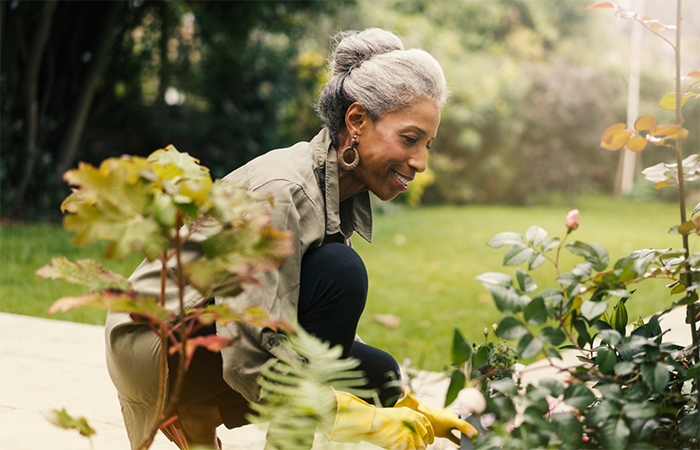
If movement is comfortable and appropriate, take a short walk or sit together outdoors. Notice a color, a sound, or a familiar view. You can do the same from a window when going outside is difficult.
Keep the experience easy. It should feel like time together rather than another task to complete.
Make room for sadness, too
When someone misses their home or a person they have lost, listen before offering a positive thought. “I can see how much you miss that” may be the most caring response.
Avoid insisting that they find something to be grateful for. Appreciation can sit beside grief, and some days a person may not want to practice it at all.
Persistent low mood or withdrawal deserves attention from a healthcare professional. The National Institute of Mental Health's guidance for older adults explains how changes in mood, energy, sleep, or appetite can signal a need for help. A gratitude practice can be enjoyable, but it should never become the family's explanation for why someone ought to feel better.
Finding everyday enjoyment at Ciela
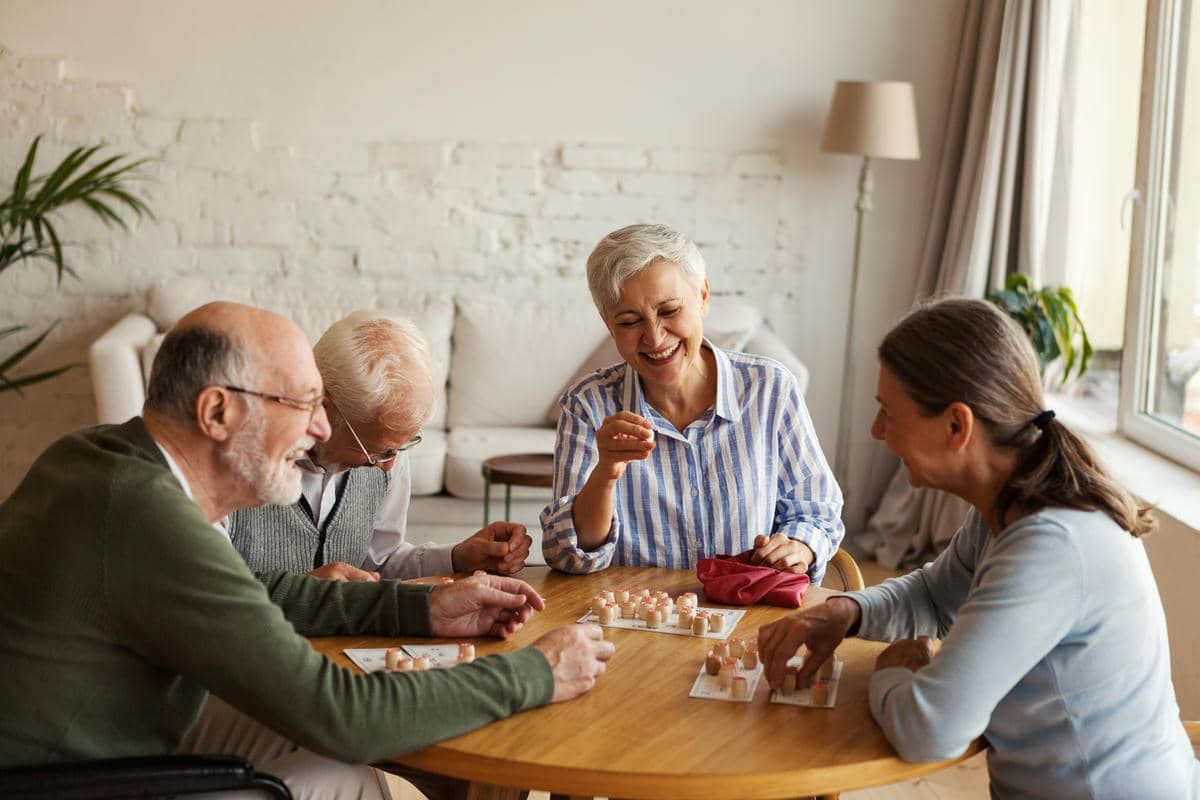
At Ciela, our boutique luxury senior living community in Pacific Palisades, social activities offer opportunities to explore an interest and enjoy company. Our residences feature floor-to-ceiling windows and views of the Santa Monica Mountains. A view, a familiar object, or a comfortable place to sit can give your family a starting point for noticing something pleasant together.
During a visit, ask which parts of the setting feel inviting to the person who would live here. The details they notice may be different from yours, and that is useful to hear.
If your parent is considering independent living, ask what would make their ordinary week feel rewarding. We would love to learn what they enjoy and help your family explore life here. Arrange a visit when you are ready.
Questions families often ask
How can I introduce gratitude without making it feel forced?
Share something you appreciate yourself, then offer an invitation to join in. Keep it brief and accept a quiet response or a change of subject.
Can someone with memory changes take part?
You can appreciate a pleasant moment together without asking them to recall earlier events. Focus on what feels meaningful now, and adapt to their comfort and preferences.