

.svg)


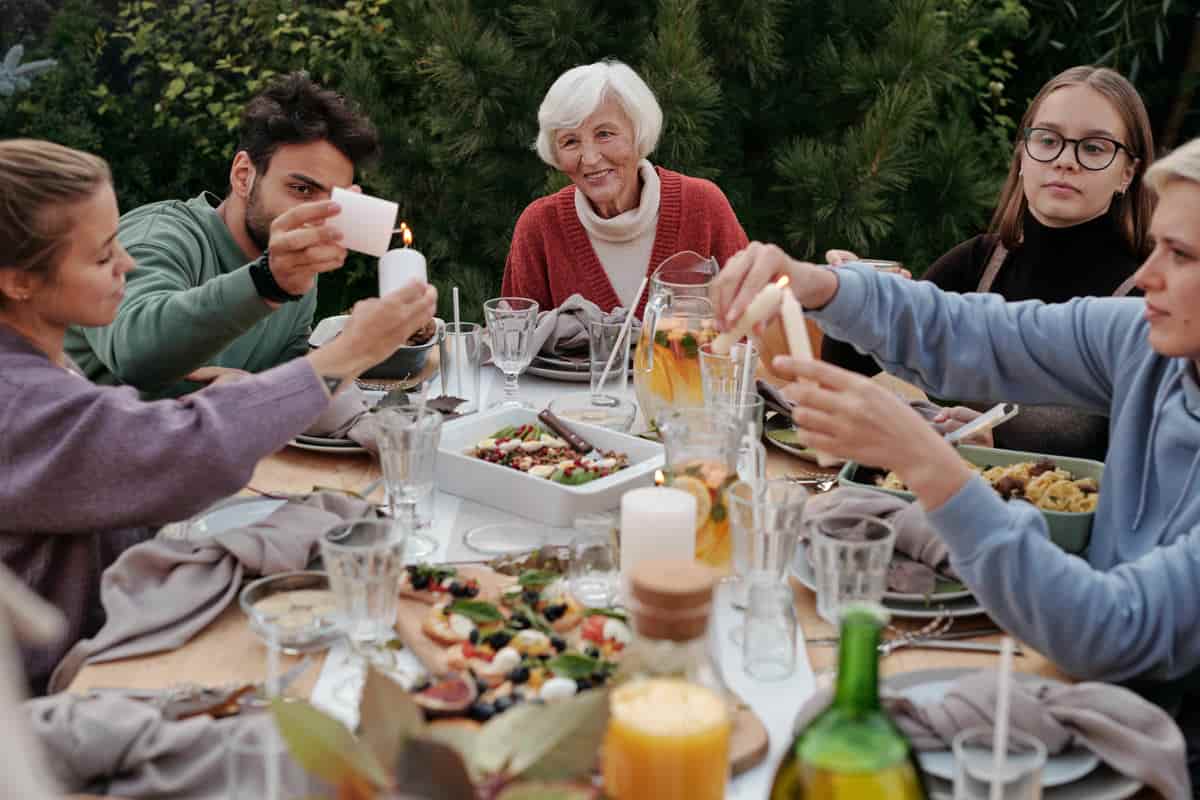
The best gifts for an older adult who already has everything fall into three categories: consumables they will enjoy and finish, experiences you share together, and something personal that could only have come from you. Anything that takes up permanent space is working against you.
That framework covers most situations. Two cases need different thinking, and they are the ones people search for most: someone living in a senior community, where space and practicality are genuinely constrained, and someone living with dementia, where the right gift depends on where they are in the disease.
Start with the person, not their age
Before anything else, set aside the phrase "gifts for seniors." It produces catalog products marketed at old age rather than gifts for a specific human being.
Think instead about what they actually do. What is on their kitchen counter. What they talk about. Where they go. A person who has gardened for fifty years, reads three books a month, follows a team, or bakes on Sundays has already told you what to buy.
The most useful habit is paying attention the rest of the year. People mention things constantly: a restaurant they want to try, a book they meant to read, a place they miss. Write those down when you hear them.
Consumables: things they will enjoy and finish
For someone who has everything, the great advantage of consumables is that they leave nothing behind to store.
- A standing order from a favorite bakery
- Really good coffee or tea, ideally a subscription that arrives monthly
- A restaurant gift card for a place they already like, not a place you want them to try
- Fresh flowers, delivered on a schedule rather than once
- A specific food they love and rarely buy for themselves
- Nice wine or spirits, if they drink
- A prepared meal delivery for a week
The one rule: match it to actual preferences and dietary needs. A generic gourmet basket is a worse gift than one item chosen because you know they love it.
Experiences, especially shared ones
The most common thing people say they want more of is time with the people they love. Experience gifts deliver that and take up no space at all.
- Dinner at a favorite restaurant, with you
- Theater, concert, or museum tickets
- A day trip somewhere meaningful, including places from their past
- A class in something they already enjoy
- A standing monthly lunch, which is arguably the best gift on this entire page
- A professional family photograph, which almost nobody has current versions of
When planning an outing, build it around their energy rather than your itinerary. Shorter, earlier, closer, and with a place to sit generally beats ambitious. An experience that leaves someone exhausted is not a gift.
For families at a distance, a meal delivered at the same time as a video call turns a phone call into something shared.
Personal gifts only you could give
These are consistently the gifts people keep.
A photo book. Not a folder of digital images. A printed book, organized, with captions naming who is in each picture and when. This matters more than people expect as memory changes.
A digital photo frame you set up yourself. Loaded with pictures before you hand it over, connected to the wifi, tested. Family members can then add photos remotely. An unconfigured device in a box is a chore, not a gift.
Letters from the family. Ask each child and grandchild to write about a specific memory or something they appreciate. Collect them. This is free and it is the gift people most often describe as the best they ever received.
A recorded interview. Sit down with a voice recorder and ask about their childhood, how they met their spouse, what their first job was. An hour of their voice telling their own stories becomes irreplaceable.
A family recipe collection, transcribed properly, with the handwriting scanned in.
A memory journal with prompts, if they enjoy writing.
Gifts for someone in senior living
This is where generic gift guides stop being useful, and where a few specifics make a real difference.
Space is genuinely limited. A one bedroom apartment does not absorb decorative objects the way a house did. Ask about the space before buying anything large, and default to things that hang on a wall, sit on one surface, or get used up.
Label everything washable. Clothing, blankets, and towels go through communal laundry in many communities. Iron-on or sewn-in name labels are unglamorous and enormously appreciated, and giving labeled versions of a gift means it comes back.
Check the community's policies first. Candles, space heaters, extension cords, and some small appliances are restricted in many communities for fire safety. A quick call to the front desk saves an awkward return.
Things that work well in a community setting:
- A really good reading lamp, since built-in lighting is rarely enough
- A comfortable throw blanket, labeled
- Framed family photographs, which do the most work per square inch
- A wall calendar with family birthdays already filled in
- Slippers with proper non-slip soles, which matter for fall risk
- A digital photo frame, set up and connected before it arrives
- Anything that makes the space feel like theirs rather than institutional
The best gift is usually visiting. Communities notice which residents get visitors. So do the residents.
Gifts for someone living with dementia
The right gift here depends on the stage, and the Alzheimer's Association's gift guide organizes suggestions exactly that way. The core principle they recommend is to start with where the person is cognitively and choose something they can actually use and enjoy.
Early stage, when someone is largely independent but managing memory changes:
- Dry-erase boards or large-print calendars for daily reminders
- A label maker, or labeled baskets and trays for cabinets and drawers
- Gift cards for rideshare services or activities they still enjoy
- GPS trackers in the form of a watch, bracelet, or keyring, which support both safety and independence
- A digital clock that displays the day and date in large type
Middle stage, when engagement and familiarity matter most:
- A memory phone that stores photographs alongside names and numbers
- Puzzle and activity books made for cognitive change, which are designed not to feel like failure
- Card and board games with adjustable difficulty, which give other people a way to spend time with them
- Music from the era that mattered most to them
- Photographs with names written on them, which helps with recognition
Later stage, when comfort and the senses lead:
- Soft textured blankets and comfortable, easy-to-wear clothing
- Hand cream, scented lotion, or a gentle massager
- Familiar music
- A weighted lap blanket, which many people find settling
For the caregiver, who is often the person who needs a gift most: respite time is the real answer. Offering to sit with their loved one so they can leave the house for four hours outranks any object. So do meal delivery, house cleaning, laundry service, and gift cards for things that remove a task.
Ciela's memory care team sees this every year. The gifts that land are almost always sensory, familiar, or shared, rather than new and complicated.
What not to give
Most gift guides skip this, and it is the part that prevents the awkward moment.
Technology you will not set up. A tablet, smart speaker, or streaming device in an unopened box is a task disguised as a present. Give it only if you will configure it, connect it, and teach it. Otherwise it sits in a closet.
Anything marketed at frailty. Products branded as being for the elderly, with the possible exception of things they have specifically asked for, tend to land as a statement about how you see them.
Large decorative objects, especially for anyone who has recently downsized. It becomes their problem to house.
Clutter-adjacent knickknacks. Figurines, ornaments, and decorative pieces they did not ask for.
Strongly scented anything, unless you know it is welcome. Sensitivity increases with age and so does the diplomatic difficulty of not using a gift.
Clothing without checking sizes, which change more than people acknowledge.
Food that conflicts with their diet. Confirm before buying anything edible for someone managing diabetes, blood pressure, kidney issues, or swallowing difficulty.
A pet, unless it has been explicitly discussed and agreed. A dog is a fifteen-year commitment and someone has to be prepared to take it.
Subscriptions that auto-renew onto their card without them realizing it.
And a practical note: if you are unsure, ask. A gift does not become less thoughtful because the recipient helped choose it. Guessing wrong and watching them pretend to like it is worse.
Gifts by occasion
The winter holidays favor family traditions. A photo book of the past year, seasonal foods they associate with home, or tickets to something everyone attends together.
Mother's Day and Father's Day favor time. Cooking their favorite meal, an outing, an afternoon with no agenda.
Birthdays and anniversaries favor history. Something tied to a long-held interest, a place that meant something, or a year that mattered.
Grandparents Day favors the grandchildren. Anything the kids made, wrote, or recorded outperforms anything purchased.
No occasion at all is underrated. An unexplained visit or a delivery on an ordinary Tuesday often means more than the same thing on a date everyone was expecting it.
Frequently asked questions
What do you get someone who has everything? Focus on consumables, experiences, and personal gifts. Favorite foods, a restaurant gift card, tickets to something you attend together, a printed photo book, or letters from family all give something meaningful without adding to what they already own.
What are good gifts for someone in assisted living? Choose things that fit a smaller space and get used: a good reading lamp, framed family photographs, a labeled throw blanket, non-slip slippers, or a digital photo frame you set up in advance. Label anything washable, since laundry is often communal, and check community policies before giving candles, heaters, or appliances.
What should you give someone with dementia? Match the gift to the stage. Early on, dry-erase calendars, label makers, large-type clocks, and GPS trackers support independence. In the middle stages, memory phones, adapted puzzles, familiar music, and labeled photographs help with engagement. Later, comfort leads: soft blankets, hand cream, and music they have always loved.
What should you avoid giving an older adult? Skip technology you will not personally set up, products marketed at frailty, large decorative items, strongly scented products, clothing without confirmed sizes, food that conflicts with dietary needs, and pets that have not been agreed in advance.
What is the best gift for an elderly parent? Time, most often. A standing monthly lunch, a shared outing, a recorded conversation about their life, or a book of letters from the family consistently outrank purchased objects. If you buy something, make it something they already love rather than something new to learn.
What can I give a caregiver? Respite is the most valuable thing. Offering to stay with their loved one so they can leave for a few hours is worth more than any object. Meal delivery, house cleaning, and gift cards that remove a chore are close behind.
Are gift cards a good gift for seniors? Yes, when they are specific. A card for a restaurant they already go to, a bookstore they like, or a rideshare service they use is thoughtful. A generic mall card reads as an absence of effort.
Life at Ciela
The gifts that matter most tend to be the ones that create time together, which is also how we think about daily life here.
Between our dining room, theater, and common spaces, there are places for residents to spend real time with the people they love rather than visiting in a hallway. Our residences are available furnished or unfurnished, so there is room to make the space personal without needing to fill it.
Ciela in Pacific Palisades, CA, is a boutique luxury senior living community offering independent living, assisted living, memory care, and short term stays. Contact us to arrange a personalized tour.
California RCFE license #198320375




.svg)



