

.svg)


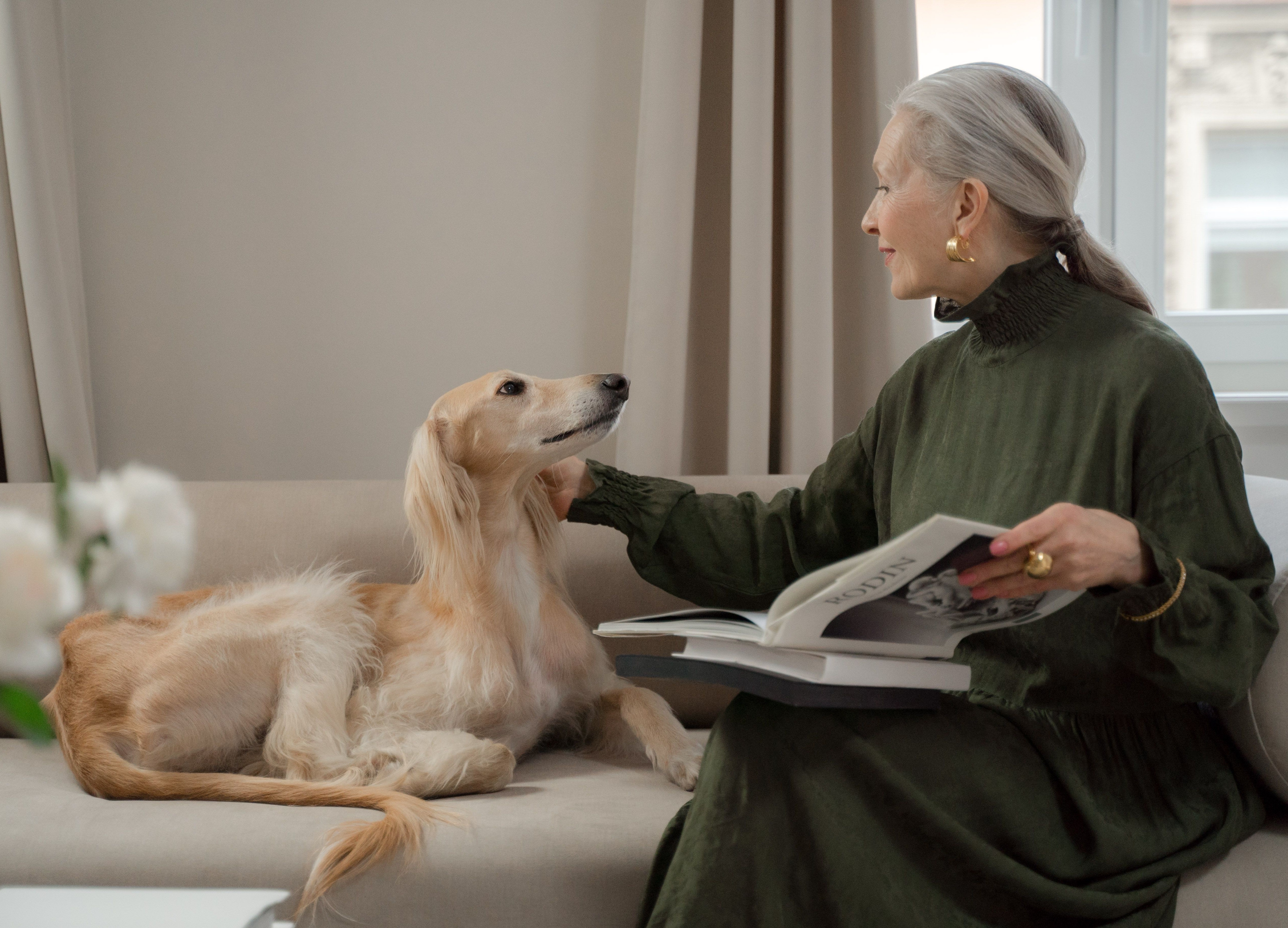
The best dogs for seniors are small to medium breeds with calm temperaments, moderate exercise needs, and a strong preference for human company. Cavalier King Charles Spaniels, Shih Tzus, Poodles, Bichons Frises, French Bulldogs, Dachshunds, Maltese, and adult rescue dogs all fit that description in different ways.
A dog brings more than companionship. They add structure to the day, encourage you to stay active, and greet you with unconditional affection every time you walk through the door. For many older adults, a dog provides comfort, purpose, and a daily routine that makes life more enjoyable.
The key is choosing one that fits your lifestyle. Some breeds are happiest on long walks. Others are perfectly content curling up beside you for a quiet afternoon. Finding the right match means being honest about your activity level, your living space, and how much time you want to spend on grooming and exercise.
The 8 Best Dog Breeds for Seniors
- Cavalier King Charles Spaniel
- Shih Tzu
- Toy or Miniature Poodle
- Bichon Frise
- French Bulldog
- Dachshund
- Maltese
- Mixed breed or rescue dogs
What Makes a Great Dog for Seniors?
There is no single perfect breed. The best dog is the one that naturally fits your daily routine.
Before choosing, think about what you want your days to look like. Do you enjoy morning walks? Would you rather spend afternoons reading with a dog curled up beside you? Answering that honestly narrows the list quickly.
Five qualities matter most.
Size
Smaller dogs are often easier to care for because they are simpler to lift, groom, and walk. They also fit better in apartments and smaller homes.
Size is not everything, though. A calm medium sized dog is frequently easier to handle than a small breed with endless energy. What matters more is whether you can safely manage the dog on a leash if it lunges or pulls.
Temperament
Personality matters as much as appearance. Many seniors do best with dogs that are affectionate, gentle, and genuinely oriented toward their people. A calm temperament makes everyday life easier, whether you are relaxing at home or visiting family.
Energy Level
Your dog's activity level should match your own. If you enjoy being outdoors, a breed that wants a daily walk is a good companion. If you prefer a quieter pace, look for a dog content with short walks and plenty of indoor time.
Mismatched energy is the most common reason these placements fail. A bored, under exercised dog becomes a destructive and anxious dog.
Grooming Needs
Every breed needs some care, but the amount varies widely. Some dogs need professional grooming every four to six weeks plus daily brushing. Others need little more than a weekly brush and the occasional bath.
Factor in both the cost and the logistics. Professional grooming typically runs $50 to $100 or more per visit depending on breed and region, and it requires transportation.
Trainability
A dog eager to learn is easier to live with. Intelligent, responsive breeds pick up routines quickly, which makes walks, vet visits, and visitors less stressful for everyone.
1. Cavalier King Charles Spaniel
The Cavalier King Charles Spaniel is one of the most frequently recommended breeds for older adults, and for good reason. They are affectionate, friendly, and happiest close to their people.
Cavaliers enjoy daily walks without needing intense exercise. They are as content on the couch as they are exploring the neighborhood, which makes them adaptable to a wide range of routines. Worth knowing before you commit: the breed is predisposed to mitral valve heart disease, so budget for veterinary care and ask any breeder about cardiac screening in the parents.
2. Shih Tzu
Bred as companion dogs, Shih Tzus want to be near people, which is exactly what many seniors are looking for.
Their calm personality and low exercise needs make them an excellent choice for someone who wants a dog happy spending most of the day indoors. Grooming is the tradeoff. A full coat requires daily brushing and regular professional appointments, though many owners keep the coat clipped short to simplify things.
3. Toy or Miniature Poodle
Poodles are among the most intelligent and trainable dogs, which makes daily life noticeably easier.
Toy and Miniature Poodles are small enough to manage comfortably while still enjoying an active lifestyle. They shed very little, which some people with allergies prefer, though it is worth knowing that no breed is truly hypoallergenic since the allergens come from dander and saliva rather than hair alone.
These dogs enjoy interactive play and regular walks, making them a strong fit for seniors who want to stay active.
4. Bichon Frise
The Bichon Frise is a cheerful, sociable little dog that loves meeting people and rarely meets a stranger.
Their soft coats shed very little, though regular professional grooming is part of the deal. Bichons adapt well to apartments and smaller homes and are known for being playful without being demanding.
5. French Bulldog
The French Bulldog suits a slower pace better than almost any other breed on this list. They are laid back, low energy indoors, and easy to manage on a leash. Two short walks and a little play each day are usually enough.
Their size and quiet nature make them a good fit for apartments and senior living communities. Be aware of the tradeoff: Frenchies are a flat faced breed, which means they can struggle with heat and breathing and often carry higher veterinary costs than other small dogs. Avoid midday walks in warm weather and never leave one in a car.
6. Dachshund
Dachshunds are small with outsized personalities. They are loyal, curious, and known for bonding intensely with one person.
They enjoy a daily walk without needing vigorous exercise. Because of their long backs, they should not be encouraged to jump on and off furniture, and ramps or steps are a worthwhile purchase. If you want a dog that is playful without being overwhelming, a Dachshund is a strong candidate.
7. Maltese
The Maltese has been kept as a companion dog for centuries. They are affectionate, gentle, and happiest close to the people they love.
Their small size means minimal exercise requirements, making them a good match for older adults who want a calm, loving companion that is easy to physically manage. Their long white coat does need consistent grooming, and many owners opt for a shorter puppy cut.
8. Mixed Breed or Rescue Dogs
Some of the best dogs for seniors are not purebred at all.
Adult rescue dogs come with established personalities, which removes most of the guesswork. Many are already house trained and past the demanding puppy stage, so you know what you are getting before you bring them home.
Shelters and rescue organizations will help match you based on your activity level, living situation, and preferences. Ask specifically about calm adult and senior dogs, since these are often the hardest to place and the easiest to live with. Some organizations run programs pairing seniors with senior dogs at reduced or waived adoption fees.
Matching the Right Dog to Your Lifestyle
Instead of asking which breed is best, ask which breed fits your everyday life.
If you enjoy staying active: Toy or Miniature Poodle, Dachshund. Both want a daily outing without demanding constant exercise.
If you prefer a relaxed pace: French Bulldog, Bichon Frise. Both are easygoing and need less activity.
If companionship is the priority: Cavalier King Charles Spaniel, Shih Tzu, Maltese. All three are affectionate, attentive, and happiest by your side.
Before You Bring a Dog Home
A few practical questions are worth answering honestly before adopting, because they determine whether this works long term.
Who cares for the dog if you cannot? This is the single most important question and the one most often skipped. Name a specific person or arrangement in advance, and consider including provisions for your pet in your estate planning. Shelters take in a significant number of dogs each year after an owner's death or move to care, and planning ahead prevents that outcome.
What is the real annual cost? Between food, routine veterinary care, grooming, preventatives, and licensing, budget realistically. Emergency veterinary care can run into thousands. Findings from the University of Michigan National Poll on Healthy Aging showed that about a quarter of older pet owners living alone said pet care strained their budget.
Have you accounted for fall risk? This is worth taking seriously. CDC data found that dogs were associated with nearly 88 percent of pet-related fall injuries, with the highest fracture rates among adults 75 and older. Most of these are preventable. Choose a dog you can physically control, invest in obedience training, use a short leash rather than a retractable one, keep toys and bowls out of walkways, and avoid walking in low light.
Would an adult dog serve you better than a puppy? For most older adults, yes. Adult and senior dogs are calmer, usually house trained, and their temperament is already visible.
The Real Benefits of Dog Ownership for Seniors
Sharing your home with a dog encourages healthy habits and creates opportunities to connect with other people.
Daily walks build routine and make it easier to stay active. They also create natural openings to meet neighbors and start conversations. The National Institutes of Health notes that interacting with animals has been shown to lower cortisol and reduce blood pressure, and that if the goal is increasing physical activity, a dog is a strong choice specifically because it has to be walked several times a day.
The social and emotional effects show up clearly in the research. In the University of Michigan poll, older pet owners living alone were substantially more likely than those living with others to say their pet helped them feel loved, stick to a routine, and maintain a sense of purpose.
That said, the evidence is not uniformly positive, and the honest answer is that a dog helps most when the match is right. A dog beyond your physical capacity to walk or your budget to care for creates stress rather than relieving it.
Frequently Asked Questions
What is the best dog breed for an elderly person? There is no universal answer, but Cavalier King Charles Spaniels, Shih Tzus, Maltese, and Bichons Frises are among the most commonly recommended because they are small, affectionate, and need moderate exercise. The best breed is whichever one matches your activity level, living space, and grooming capacity.
What is the easiest dog to take care of for seniors? Small, low energy, low shedding breeds are generally easiest. Adult rescue dogs are often easier still, since they are typically house trained and past the puppy stage. Short coated small breeds require the least grooming.
Should a senior get a puppy or an adult dog? An adult dog is usually the better choice. Puppies require intensive training, frequent nighttime attention, and years of high energy. Adult and senior dogs have settled temperaments you can evaluate before adopting, and their care needs are more predictable.
Are small dogs always better for older adults? Not necessarily. A calm medium sized dog can be easier to live with than a high energy small breed. What matters most is whether you can safely control the dog on a leash and manage its daily needs.
Can I have a dog in a senior living community? Many communities are pet friendly, though policies vary on size limits, number of pets, breed restrictions, and whether the resident must be able to care for the animal independently. Ask about the specific policy during your tour.
What happens to my dog if I can no longer care for it? Arrange this in advance. Identify a specific person willing to take the dog, put it in writing, and consider addressing it in your estate plan. Some rescue organizations and humane societies offer guardianship programs for exactly this situation.
Life With Your Dog at Ciela
At Ciela, we know pets are more than companions. They are family.
Our community in Pacific Palisades is designed so residents and their dogs can feel at home together. Expansive outdoor spaces and walking paths make it easy to enjoy time with your dog while staying active, and our light filled residences give both of you room to settle in comfortably.
A dog also fits naturally into the rhythm of life here. Morning walks lead into daily activities and social programming, and dogs have a way of starting conversations between neighbors that might not otherwise happen.
Whether you are considering independent living or looking at assisted living with more day to day support, your pet remains part of your life. Schedule a visit and we will walk you through our pet policy and show you the community together.




.svg)



