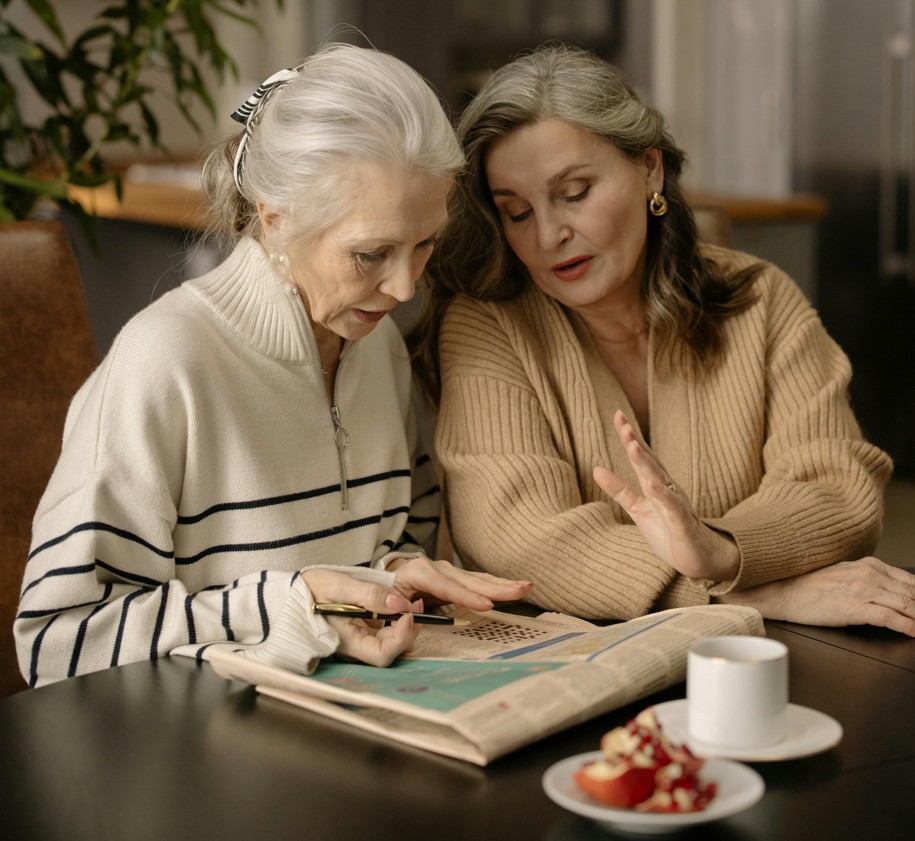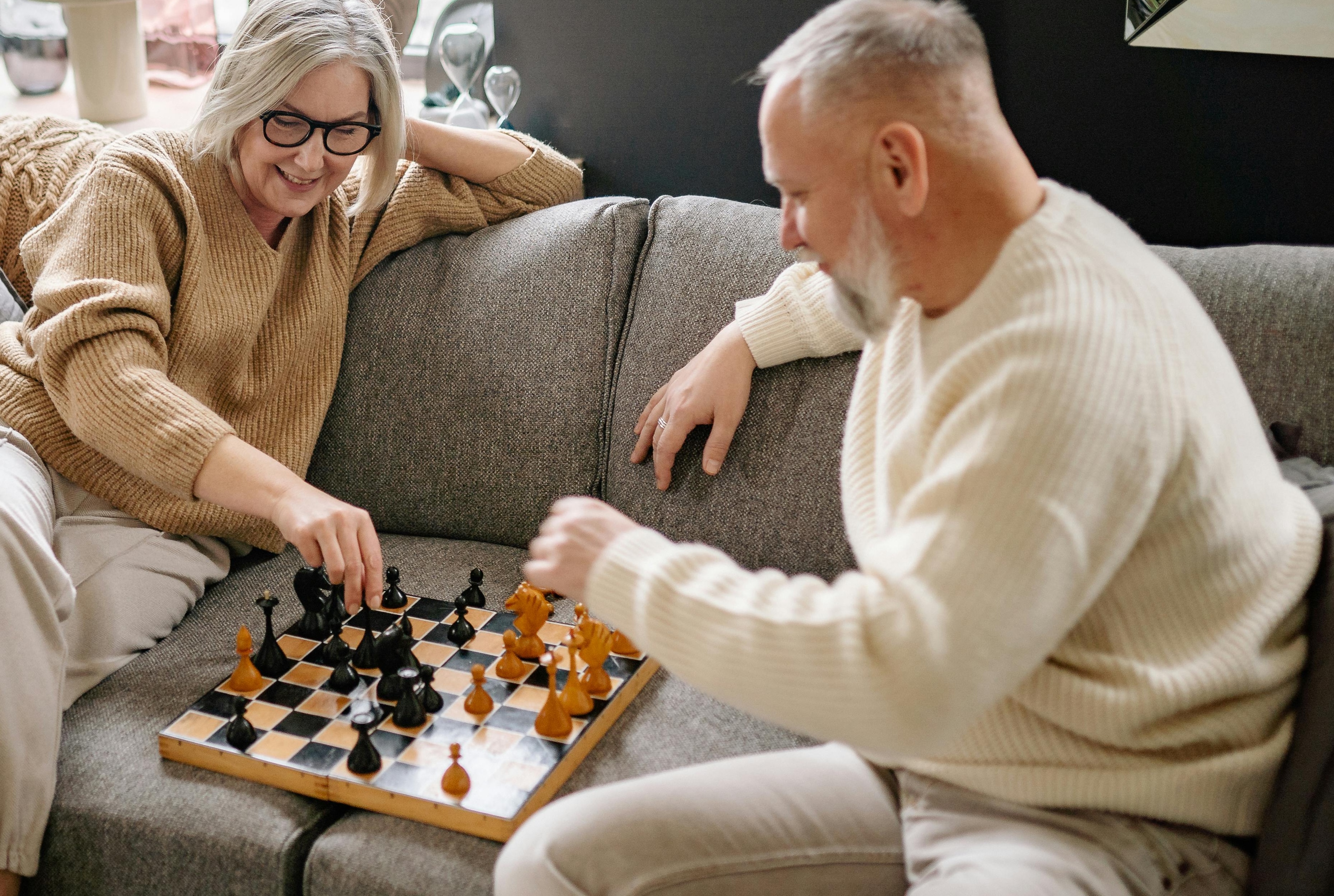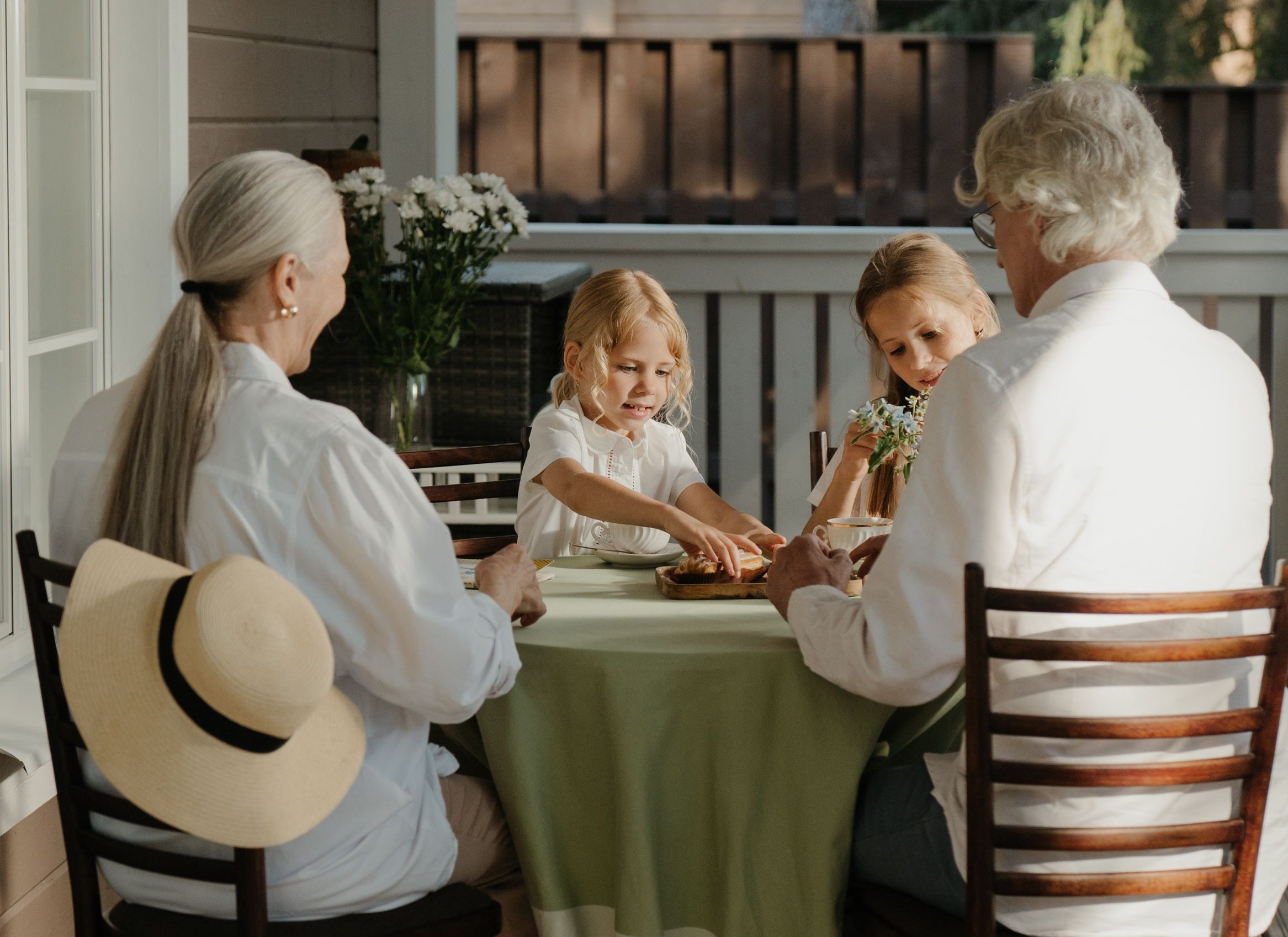
Your child may be halfway through a story about school while their grandparent is still figuring out the rules of a new game. They laugh, start again, and find their way into the conversation.
Connection across generations often looks like this: a little patience, a shared interest, and time without much of an agenda. You do not need to plan a perfect visit to help it happen.
Meaningful ways for grandparents and grandchildren to bond include making something together, exchanging stories, sharing music, and keeping small routines. The best choice fits the child's interests and the grandparent's energy, abilities, and preferences.
Begin with something they both enjoy
Instead of expecting a grandparent to entertain the children for an afternoon, offer one manageable thing to do together.
They might decorate a few cookies, look through photographs, draw a family pet, watch part of a favorite film, or care for a small plant. A grandparent who loves design might help a teenager choose colors for a room. A child who enjoys technology might show them how to find a song.
Let both people bring something to the visit. A grandparent brings experience and interests worth sharing; a child brings a world they may be delighted to introduce.
Match the visit to the child's age
For younger children, keep it simple. Reading a picture book, drawing beside one another, or singing a familiar song gives them something concrete to share. Bring supplies and handle the setup yourself so the visit can be about participating, not preparing.
For school-age children, choose a small project. A family recipe card, a photo album page, or a birdwatching notebook can grow over several visits. Finishing everything in one afternoon is optional.
For teenagers, follow genuine interests. A shared meal, a conversation about a first job, or a playlist exchange may work better than a planned craft. Ask your teenager what they would like to know about their grandparent's life.
Leave room for the relationship to develop in its own way. A quiet visit can still be a good one.
A small activity menu for your next visit
These are flexible planning ideas, not age rules or recommended therapeutic schedules. Shorten or change any activity to suit both people.
Invite stories without turning them into a test
Questions such as “What music did you love at my age?” or “What did your first apartment look like?” can open a conversation. One photograph or familiar object may be all the starting point you need.
When a grandparent has dementia, avoid asking them to identify everyone in an album or remember exact dates. You can offer the information naturally: “This is our trip to the beach. I love your smile here.”
The Alzheimer's Association recommends choosing shared activities according to the person's interests, current abilities, and mood. A familiar activity can be meaningful even when it is unfinished or done differently than before.
Make staying in touch easier
A short, predictable call can be easier to arrange than a long conversation squeezed into a busy week. Try a Sunday check-in, a photo from a school project, or a voice message about something funny that happened. The National Institute on Aging's tips for staying connected include regular contact with family and friends by phone, email, or video chat.
If your family uses video calls, set up the device and test the sound beforehand. Send printed photographs when that is the preferred way to stay in touch. Technology should make the connection easier for them, rather than adding another obstacle.
Your child does not need to provide care or keep their grandparent happy. The adults can arrange the practical support and let the relationship remain a relationship.
When a grandparent moves into senior living
A new address may mean changing the routine. The favorite story, game, or afternoon snack can come along.
Ask where a visit would feel most comfortable, and coordinate with the community about timing, meals, and any care needs. A shorter visit during their best time of day may be more enjoyable than a long, busy gathering.
Prepare children gently if they may notice memory or physical changes. “Grandma sometimes loses track of a conversation. We can help by speaking one at a time” gives them a way to participate without feeling frightened or responsible.
Before the first visit to a new community, ask about guest arrangements, the best time to arrive, and whether a meal needs to be planned ahead. Bring one familiar thing rather than a bag of activities. Give children a simple way to say goodbye, too: “We loved seeing you. We'll send you our drawing this week.”
A family visit to Ciela
Our residences and community spaces in Pacific Palisades offer places to imagine those ordinary family moments. When you visit Ciela, bring questions about the family routines everyone hopes to keep.
Whether you are exploring independent living, assisted living, or memory care, family connection belongs in the conversation. Explore Ciela's care options, then contact our team to plan a visit together.
Questions families often ask
What if the grandparent tires easily?
Choose a short activity, offer a comfortable place to sit, and finish while everyone is still enjoying themselves. Ask the grandparent what timing feels best.
How can grandchildren stay connected from far away?
Try brief calls, voice notes, drawings, or printed photographs. A familiar routine is often easier to maintain than elaborate plans.