.svg)


We serve a lot of pickles at Ciela. They show up on charcuterie boards, alongside sandwiches, and occasionally as a requested side at dinner. Nobody thinks of them as a health food. But after looking at what the research actually says, maybe they should.
This isn't a case of overreaching wellness claims. The science here is fairly straightforward. Fermented pickles in particular have earned a legitimate place in a thoughtful senior diet, and we think it's worth explaining why.
Fermented vs. Vinegar: Know What You're Buying
Most of the health benefits people associate with pickles come specifically from fermented pickles, not the standard shelf-stable variety.
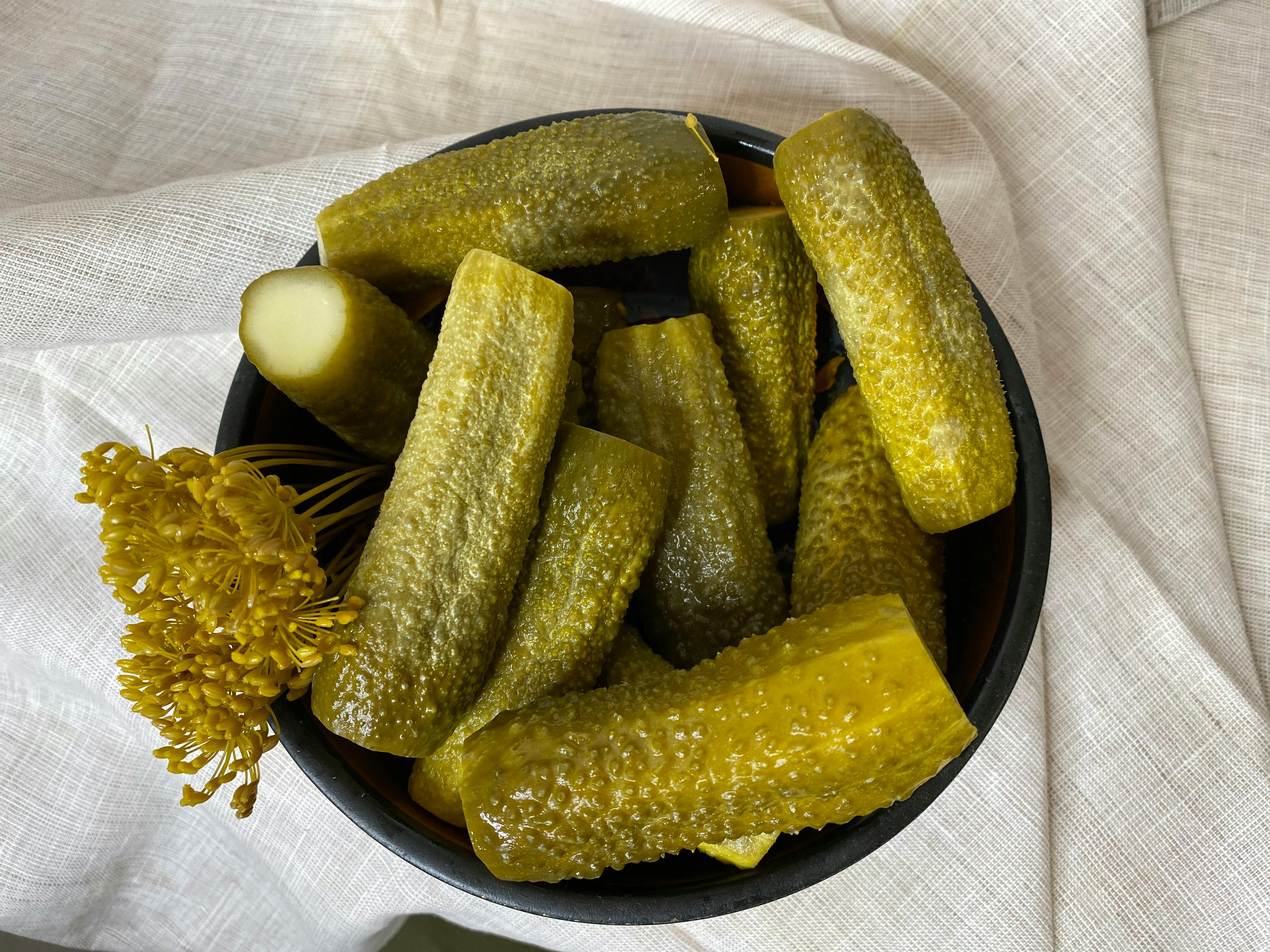
Fermented pickles are made through lacto-fermentation. Cucumbers sit in a saltwater brine, bacteria naturally present in the environment convert the sugars to lactic acid, and you end up with a living food that still contains active bacterial cultures when you eat it. You'll almost always find these in the refrigerated section. The ingredient list is short: cucumbers, water, salt, maybe dill or garlic.
The jarred pickles most of us grew up eating are preserved in vinegar. Perfectly good. But the vinegar kills the bacteria during production, so the probiotic benefit isn't there.
If gut health is your goal, reach for the refrigerated kind.
1. Good for the Gut
The live lactobacillus cultures in fermented pickles are the same type found in yogurt and kefir. Once consumed, they contribute to the bacterial ecosystem in the gut, supporting digestion, immune function, and the body's ability to absorb nutrients from food.
A 2025 study tracked participants over eight weeks of regular fermented pickle consumption and found meaningful increases in gut microbiota diversity, which researchers consider one of the better indicators of gut health overall.
For older adults, gut function naturally becomes less efficient over time. Fermented foods are one of the more practical, enjoyable ways to support it. We write about this further in our post on senior wellness programs.
2. More Nutritional Depth Than They Get Credit For
Cucumbers are genuinely nutrient-dense. They contain beta-carotene, vitamin C, vitamin K, and several phenolic compounds and flavonoids that act as antioxidants in the body.
Antioxidants matter because they help neutralize free radicals, unstable molecules linked to cellular damage, inflammation, heart disease, and cognitive decline over time. Beta-carotene specifically has been studied in older adults for its association with cognitive performance, with positive findings.
It doesn't make pickles a miracle food. But for families thinking carefully about brain health, knowing there's real nutritional value here is worth something.
3. They Actually Help With Hydration
This one catches people off guard. Sodium helps the body retain and use fluids more effectively. So while pickles won't replace drinking water, the electrolytes they contain support the body's ability to hold onto hydration between glasses.
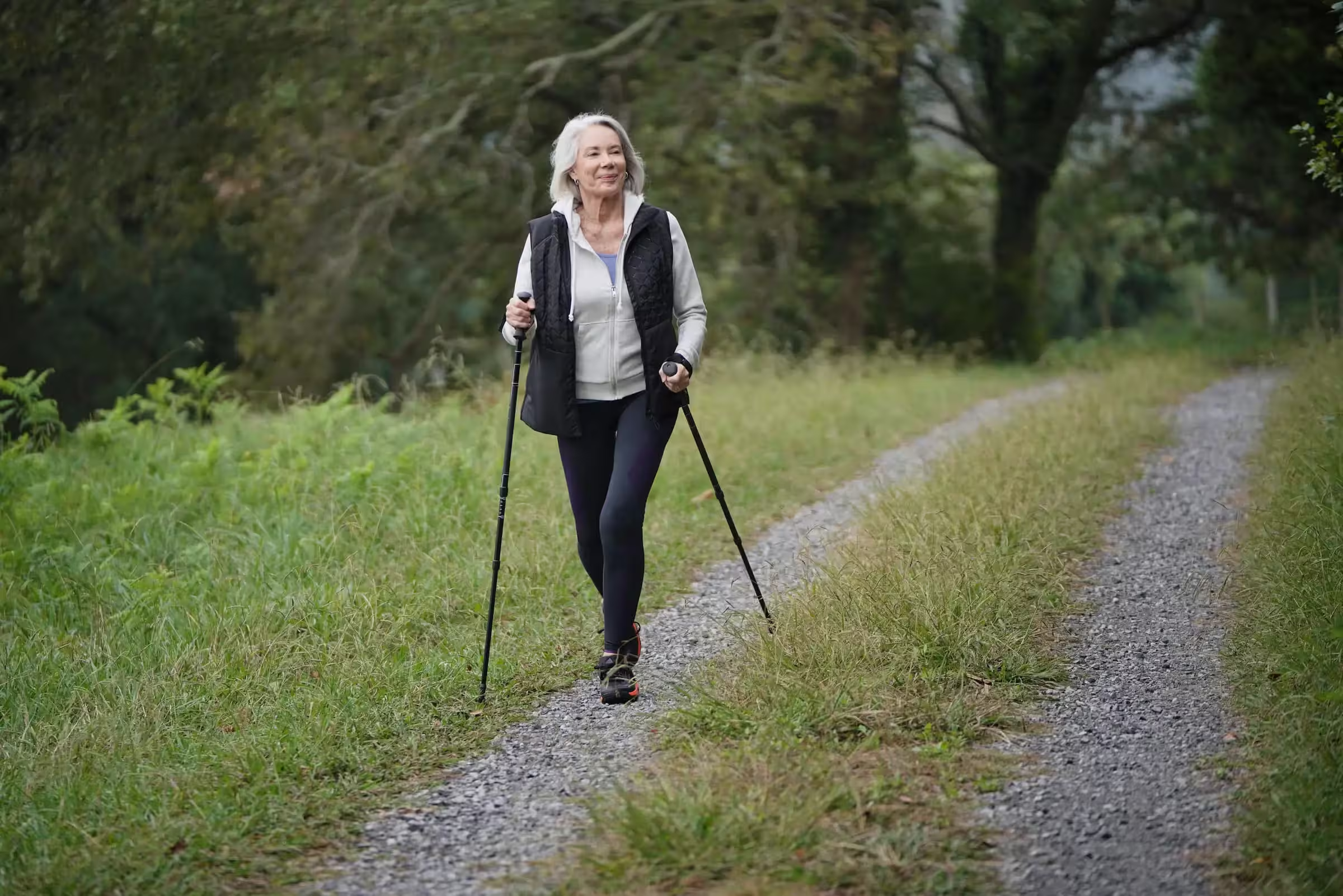
This matters more for seniors than most people realize. Thirst sensation genuinely decreases with age. Many older adults are mildly dehydrated on a regular basis, not because they're being careless, but because the physiological signal just isn't as strong as it used to be. Small dietary habits that support fluid balance are worth paying attention to, especially alongside staying physically active.
4. Pickle Juice and Muscle Cramps
Of everything on this list, this is probably the most surprising.
A randomized clinical trial published through NIH found that pickle juice significantly outperformed water for reducing muscle cramp severity. 69% of participants in the pickle juice group reported relief compared to 40% in the water group. Michigan Medicine researchers looked at similar data and described pickle juice as a "low-cost, widely available, and safe first-line therapy" for cramping.
Nighttime leg cramps are genuinely common in older adults and can seriously disrupt sleep. A few tablespoons of pickle juice before bed is low-risk enough to be worth trying if it's an issue, though we'd always suggest checking with your doctor first, especially if you're monitoring sodium intake or sleep health.
5. Vinegar's Effect on Blood Sugar
This benefit applies more to vinegar-based pickles, but it's well-supported. Multiple studies have shown that consuming vinegar with or before a meal slows the digestion of starches and reduces the post-meal spike in blood glucose.
For seniors managing type 2 diabetes or pre-diabetes, this is a genuinely useful dietary consideration. It fits naturally alongside eating patterns like the Blue Zone diet, which also emphasizes foods that support stable blood sugar. Talk to your physician before changing your meal plan if you're on diabetes medication.
6. Vitamin K and Bone Health
After 60, bone density becomes one of the more serious health considerations for older adults. Vitamin K plays a direct role in how the body processes calcium and maintains bone tissue.
Pickles contain meaningful amounts of it. Stanford's Lifestyle Medicine program also noted that fermentation may increase the bioavailability of certain nutrients relative to raw cucumbers, meaning the body potentially absorbs more from a fermented pickle than from the same cucumber unprocessed.
Paired with strength and balance training, nutritional support for bone health is worth building into daily habits.
7. What the Gut-Brain Research Actually Says
The connection between gut health and brain function is no longer fringe science. Researchers studying the gut-brain axis have consistently found correlations between microbiome health and mood stability, anxiety levels, and cognitive performance in older adults.
The mechanisms involve neurotransmitter production in the gut, inflammatory signaling, and communication via the vagus nerve. The practical implication is simple: supporting gut health through fermented foods is one of the more accessible things people can do to support brain health at the same time.
For families navigating concerns about cognitive decline, this is meaningful. It's also part of why our culinary team at Ciela works closely with our wellness staff to build meals that include fermented and gut-supporting foods. It's a core part of our Blue Zone nutrition philosophy.
Learn more about Ciela's wellness and dining programs
8. 16 Calories. Actually Satisfying.
A large dill pickle has about 16 calories. It's crunchy, savory, and genuinely satisfying in a way that tends to redirect snack cravings toward something better. For seniors focused on eating well as they age, that kind of practical swap matters.
A Note on Sodium
Pickles are high in sodium. One serving can account for 10 to 15% of the recommended daily intake. For seniors managing blood pressure, heart conditions, or kidney disease, that's a real consideration.
The answer is portion awareness, not avoidance. A pickle or two with a meal is quite different from finishing a jar. Low-sodium varieties are widely available and worth trying if sodium is something you're watching. At Ciela, our registered dietitian works individually with residents to build nutritional plans that reflect their specific health needs. That kind of personalized approach to care is something we take seriously.
What to Look for at the Store
- Refrigerated section: live-culture fermented pickles are almost never shelf-stable
- Short ingredient list: cucumbers, water, salt, dill, garlic
- "Naturally fermented" on the label, not just "made with vinegar"
- No artificial dyes: Yellow 5 appears in many commercial brands
- Low-sodium options if that's a dietary consideration
Worth Adding to the Rotation
Pickles have been on tables for thousands of years. The research backing their benefits for older adults is a relatively recent development, but it lines up in a satisfying way with something people have always instinctively reached for.
Gut health, brain function, bone strength, hydration support, muscle cramp relief, blood sugar management. These aren't minor benefits. For older adults invested in staying well, fermented pickles are a low-cost, easy addition to a thoughtful diet.
At Ciela, this is the kind of nutritional thinking that shapes what we put on the plate every day. Simple. Evidence-based. Genuinely good.
We'd love to show you what that looks like in person.
Schedule a Private Tour
Explore Our Wellness Programs