.svg)


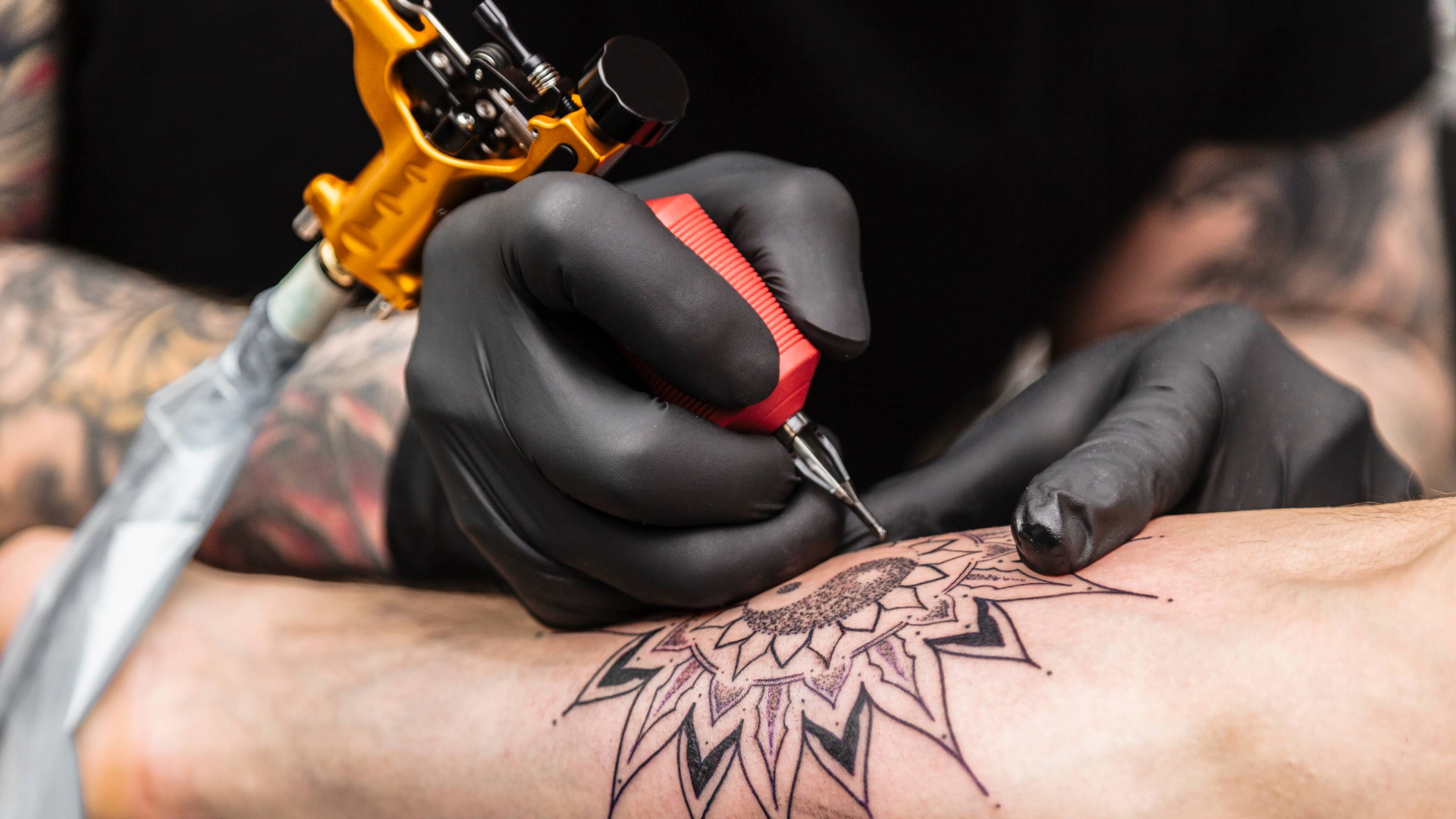
Tattoos are no longer exclusively the territory of the young. A 2023 Pew Research Center study found that 32% of American adults now have at least one tattoo, including 13% of Baby Boomers and a growing number of adults in their 60s, 70s, and beyond.
Some are getting their first tattoo ever. Others are adding to collections they started decades ago. Many are marking something meaningful, a lost spouse, a milestone birthday, a grandchild's name, a piece of themselves they want to carry forward.
Whatever the reason, getting a tattoo as an older adult is absolutely possible. It just requires a little more preparation than it did at 25.
Your Skin Has Changed. That Matters.
This is the most important thing to understand going in, and it's not a reason to reconsider. It's just a reason to be informed.
As skin ages, collagen production slows, elasticity decreases, and the outer layer of the dermis becomes thinner. The skin is more fragile than it was, more prone to bruising, and slower to heal. None of that makes a tattoo impossible. It does mean the process will look and feel somewhat different than it would on younger skin.
An experienced tattoo artist who has worked on mature skin will know how to adjust needle depth, pressure, and technique accordingly. This is worth asking about before you book an appointment. Not every artist has that experience. Seek out one who does.
Skin care habits matter here too. Residents at Ciela who stay active, eat well, and follow our Blue Zone-inspired wellness routines tend to maintain better overall skin health, which supports healing in situations exactly like this.
Choosing the Right Design
Design selection matters more at 70 than it did at 22, and not for aesthetic reasons.
Fine line work, which is extremely popular right now, doesn't hold as well on mature skin. The reduced elasticity makes it harder for thin, delicate lines to stay crisp over time. Color can also behave differently, appearing less vibrant or blending in ways that weren't intended.
What tends to work better: bold lines, simpler shapes, higher contrast designs, and solid fills rather than intricate detail work. This isn't a limitation so much as a different design sensibility, and some of the most striking tattoos on older adults lean into that simplicity.
Talk to your artist before committing to anything. A good artist will tell you honestly what will hold well on your skin and what won't.
Where You Place It
Placement is another practical consideration worth thinking through carefully.
Areas with significant sun damage, loose skin, or prominent wrinkles can make the tattooing process more difficult and the result less predictable. The outer arm, outer thigh, calf, and upper back tend to be more forgiving. Areas with thin skin or bony prominences, like the hands, feet, and shins, tend to hurt more and heal less cleanly at any age.
If you have any areas with reduced circulation, particularly relevant for those managing diabetes, avoid those spots entirely. Circulation health is something we actively support through our fitness and wellness programming, and it pays off in situations like this one.
Health Conditions and Medications: Have the Conversation First
93% of adults over 65 have at least one chronic health condition. That statistic isn't meant to discourage anyone. It's a reminder that a conversation with your doctor before getting a tattoo is genuinely important.
A few specifics worth knowing:
Blood thinners. Whether from medication like aspirin, warfarin, or ibuprofen, or from alcohol and caffeine consumed in the 48 hours before your appointment, blood thinners increase bruising and bleeding during the procedure. Skip alcohol and caffeine beforehand, and talk to your doctor before adjusting any prescribed medication.
Diabetes and hypertension. Both can affect how the skin heals. If your levels are well-managed, many people with these conditions get tattoos without issue. If they're not well-controlled at the moment, it's worth waiting. Improper healing increases infection risk meaningfully.
Heart conditions. Between 1% and 5% of people experience tattoo-related bacterial infections. For most people that's a manageable risk. For those with chronic heart disease or susceptibility to endocarditis, it's worth a more serious conversation with your cardiologist first.
Immunosuppressants. If you're taking medications that suppress immune function, your body's ability to fight off infection and heal the tattoo site is reduced. This deserves a direct conversation with your physician.
Managing Pain
Pain tolerance varies widely from person to person, and placement plays a significant role. But there are a few practical things that help.
Cold compresses applied to the area before and after tattooing can reduce blood flow, limit bruising, and take some of the edge off the sensation. Elevating the tattooed area above heart level uses gravity to reduce blood pooling in the area.
Topical numbing agents like lidocaine and benzocaine are widely available and can make a real difference. Always check with your doctor before using them, particularly if you're on other medications.
Staying in generally good physical condition also helps. Older adults who maintain regular strength and balance training tend to have better pain tolerance and faster healing across the board.
Aftercare Takes Longer Than It Used to
Healing time increases with age. A tattoo that might have looked healed in two weeks at 30 may take four to six weeks at 70. That's normal. It doesn't mean anything went wrong. It means you need to be patient and consistent with aftercare for longer than you might expect.
The basics:
- Clean the area gently with mild, fragrance-free soap and water
- Pat dry rather than rubbing
- Moisturize regularly with a fragrance-free lotion your artist recommends
- Keep it out of direct sunlight, especially while healing
- Avoid submerging it in pools, hot tubs, or the ocean until fully healed
- Don't pick at it, no matter how tempting
Nutrition plays a real role in how well the skin heals. The kind of protein-rich, anti-inflammatory eating we emphasize at Ciela genuinely supports faster tissue repair, tattoo aftercare included.
If you notice unusual redness, swelling, warmth, or discharge beyond the first 48 hours, contact your doctor. Infection is rare but worth taking seriously.
Find the Right Artist
This deserves its own section because it genuinely matters.
Look for a licensed artist with a clean, professional studio and clear sterilization practices. Ask directly whether they have experience tattooing older adults. Look at their healed work, not just fresh photos. Healed tattoos on mature skin show you what the work will actually look like after the skin has processed it.
Don't let price be the primary deciding factor. A skilled, experienced artist costs more. On older skin, that experience is worth paying for.
A Note on Meaning
The practical considerations matter and are worth taking seriously. But so does the reason behind wanting one in the first place.
Many seniors who get tattoos describe them as deeply personal acts. A tribute to someone lost. A celebration of surviving something hard. A visual reminder of something they believe or value. Research from Pew found that 69% of tattooed adults got their ink to honor or remember someone or something.
That impulse doesn't diminish with age. If anything, it deepens. At Ciela, we believe strongly in the importance of personal expression and identity at every stage of life. A tattoo at 75 or 85 is a completely legitimate act of self-definition. It fits naturally alongside the way we think about living fully and with intention in this chapter of life.
The Bottom Line
Getting a tattoo as an older adult takes more preparation than it once did. Skin changes, health conditions, medication interactions, and longer healing times are all real factors that deserve attention. None of them are prohibitive for most people.
Do your research. Find an experienced artist. Have an honest conversation with your doctor. And if you decide it's right for you, go in informed and enjoy it.
For residents and families curious about how Ciela supports individual identity and personal expression in daily life, we'd be glad to talk.
Schedule a Private Tour
Learn About Our Approach to Senior Living
Explore Our Wellness Programs