

.svg)


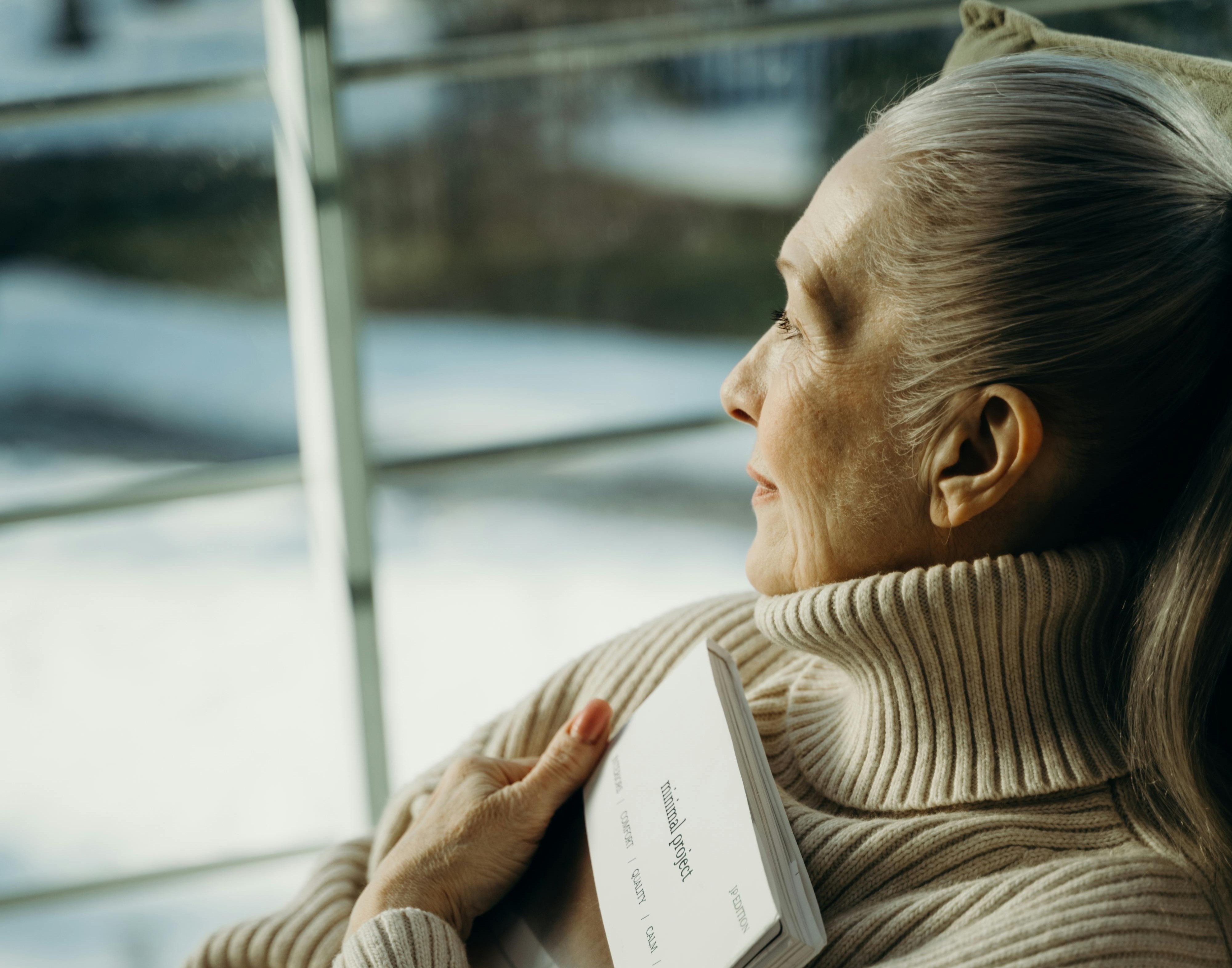
Anxiety isn't something people age out of. In fact, research estimates the global prevalence of anxiety symptoms in older adults at nearly 1 in 3 people. Yet it remains one of the most underdiagnosed and undertreated conditions in senior care, often dismissed by families, physicians, and even older adults themselves as a normal part of getting older.
It isn't. And it's worth taking seriously.
What Anxiety in Older Adults Actually Looks Like
This is where a lot of families get tripped up. They're watching for panic attacks or visible distress and missing the quieter, more physical ways anxiety tends to show up in older adults.
In seniors, anxiety more commonly looks like:
- Persistent restlessness or a sense that something is wrong, without being able to name it
- Chronic muscle tension, headaches, or gastrointestinal complaints
- Fatigue that doesn't improve with rest
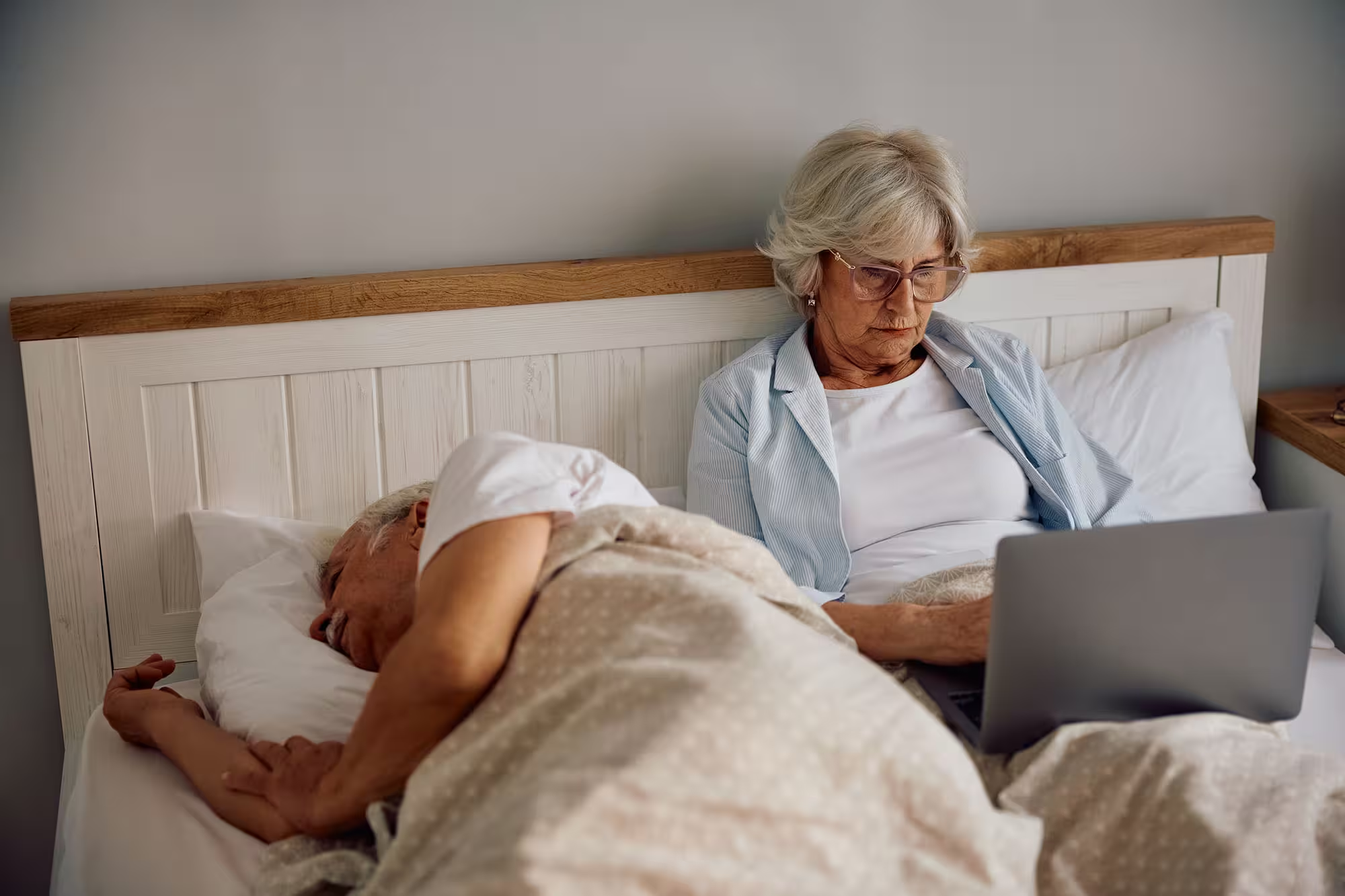
- Sleep disruption, particularly waking in the early hours with a racing mind
- Increased irritability or emotional flatness
- Avoidance of activities or situations they used to enjoy
- Excessive worry about health, safety, or being a burden to family
- Difficulty making decisions or concentrating on simple tasks
Your loved one may not say "I'm anxious." They may say they feel unsettled, that something feels off, or that they can't seem to relax. They may frame it entirely in physical terms. That framing is worth listening to, even when the physical workup comes back normal.
Why Anxiety Is So Commonly Missed
Several forces work together to keep anxiety in older adults undiagnosed.
Generational conditioning. Many people now in their 70s and 80s grew up in an era when emotional distress was kept private. Stoicism was expected. Seeking help for mental health wasn't something people did openly. That long-standing habit of minimizing emotional experience doesn't disappear with age.
Physical masking. Because anxiety in older adults so often presents as physical symptoms, both the person experiencing it and the clinicians treating them may pursue physical explanations without ever reaching the underlying anxiety. Someone with chronic GI complaints or persistent fatigue may cycle through multiple specialists before anyone considers anxiety as the root cause.
Overlap with other conditions. Anxiety symptoms overlap significantly with hypothyroidism, heart conditions, medication side effects, and early cognitive decline. Sorting out which is driving what requires careful attention. We talk about the medication side of this in our post on blood pressure in older adults, where certain common drugs can quietly affect both cardiovascular and mental health at the same time.
Ageism in healthcare. When older patients present with anxiety symptoms, those symptoms are sometimes attributed to aging itself rather than treated as a condition worth addressing. Our post on what ageism actually looks like in healthcare covers this dynamic in more depth.
The Anxiety–Dementia Connection
This is something families navigating both conditions need to know. Anxiety and dementia can look strikingly similar on the surface, and they frequently co-occur.
Someone with anxiety may appear forgetful not because of memory loss, but because chronic worry consumes so much cognitive bandwidth that new information doesn't consolidate properly. They typically retain insight into the fact that something feels wrong, which is itself a meaningful clinical distinction. People in the early stages of dementia often lose that self-awareness.
The other direction is equally important: anxiety appears to be a risk factor for developing dementia. Research has found that older adults with anxiety symptoms face an elevated risk of dementia diagnosis in subsequent years, even when anxiety doesn't yet meet the threshold for a clinical disorder. Managing anxiety well isn't just about quality of life today. It may have real long-term implications for cognitive health.
If your loved one is experiencing both anxiety and cognitive changes, a comprehensive evaluation is essential before drawing conclusions. We explore this overlap further in our post on sundowning and dementia, where anxiety and behavioral agitation often intersect in the evening hours.
What Drives Anxiety in Later Life
Understanding the roots of anxiety helps families respond with more empathy and less frustration. It usually isn't coming from nowhere.
Major life transitions. Retirement, the death of a spouse or close friend, leaving a longtime home, losing the ability to drive. These aren't just logistical changes. They're identity-level disruptions. The structure, purpose, and social connection that defined decades of life can vanish in a relatively short period. Anxiety thrives in that vacuum.
Health concerns and physical limitations. When daily life begins to revolve around medications, appointments, and managing chronic conditions, the emotional load can become genuinely overwhelming. Chronic illness itself, particularly heart disease, diabetes, and respiratory conditions, activates the same physiological stress systems that drive anxiety.
Sleep disruption. Poor sleep doesn't just result from anxiety. It feeds it. The relationship runs in both directions: anxious minds make sleep harder, and sleep deprivation makes anxiety worse. We explore the cognitive and health consequences of disrupted sleep in our post on the relationship between sleep and dementia. The mental health consequences are just as significant for those without cognitive decline.
Isolation and loneliness. Loneliness is both a driver and a consequence of anxiety in older adults. When anxiety causes someone to withdraw from social activities, the resulting isolation tends to reinforce anxious thinking. It becomes a loop that's hard to break alone. We write about the health consequences of senior isolation in our post on why communal living helps combat loneliness. The connection between social engagement and mental health is one of the most consistent findings in the research.
Loss of control. Anxiety often intensifies when people feel they have little agency over what happens to them. For older adults who rely on family members or care providers for decisions that used to be entirely their own, that loss of autonomy can become a chronic source of stress. Involving your loved one in decisions about their care, wherever possible, is one of the most protective things a family can do.
What Genuinely Helps
The research on treating anxiety in older adults is clear on one point: non-pharmacological approaches should be the first line of treatment, not medication. This matters especially for older adults, whose bodies process drugs differently and who are often already managing complex medication regimens.
Cognitive Behavioral Therapy (CBT) has the strongest evidence base of any approach. It helps people identify and restructure the thought patterns that feed anxiety, replacing catastrophic thinking with more grounded assessments. For older adults who are skeptical of therapy, CBT doesn't require extensive emotional excavation. It can be practical, focused, and applied directly to real everyday situations.
Relaxation training. Progressive muscle relaxation, guided imagery, and slow diaphragmatic breathing all produce measurable reductions in anxiety. These techniques are low-effort to learn and can be practiced independently. For older adults dealing with chronic pain or muscle tension, progressive muscle relaxation offers relief on both a physical and psychological level.
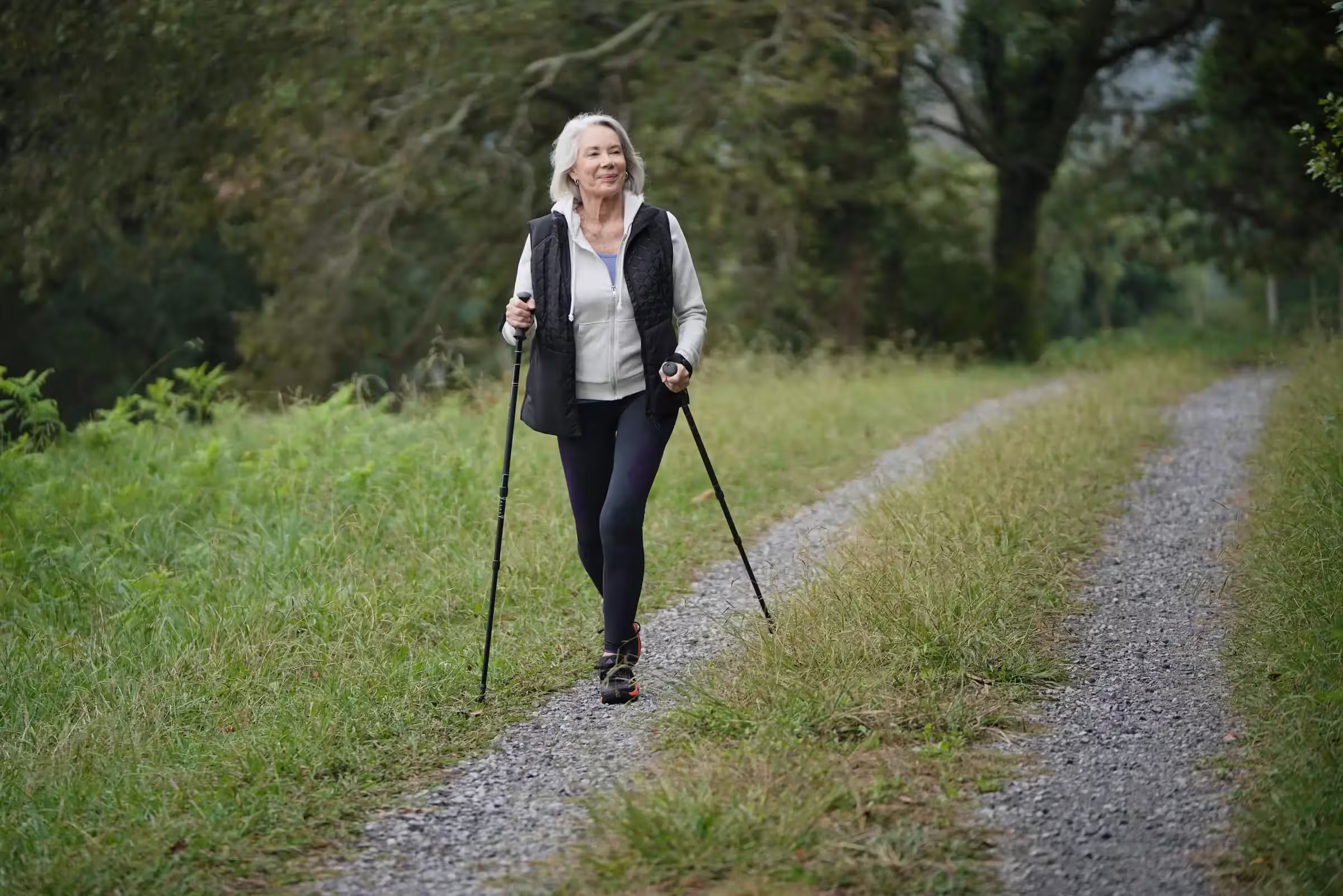
Mindful movement. Tai chi, gentle yoga, and walking have all shown consistent benefits for anxiety in older adults. They combine physical activity with present-moment focus in a way that's accessible even for those with significant mobility limitations. Our wellness programs at Ciela incorporate exactly this kind of intentional daily movement, not as exercise for exercise's sake, but as an integrated part of how we support mental and physical health together.
Music therapy. This one has a particularly strong evidence base in senior care settings. Music engages memory, emotion, and attention in ways that can calm the nervous system even when other approaches aren't accessible. For residents with dementia-related anxiety, it's been shown to reduce agitation meaningfully.
Social engagement. The protective effect of social connection on anxiety is one of the most consistent findings across the research. Regular interaction, meaningful roles within a community, and having people who genuinely know you aren't luxuries. They're therapeutic. This is one of the reasons we take community life so seriously at Ciela — it's not background ambiance. It's part of the care model.
Nutrition and physical health. The gut-brain connection is real, and what someone eats affects both mood and anxiety levels. Adequate protein supports neurotransmitter production. Stable blood sugar reduces mood volatility. We write about senior nutrition in our post on the power of protein in aging well. Caring for the body is always part of caring for the mind. Small daily food choices matter more than people realize, something we also explore in our piece on the health benefits of foods like fermented pickles.
A Word on Medication
Medication is sometimes appropriate, but it carries real risks in older adults. Benzodiazepines, which are still commonly prescribed for anxiety, are associated with increased fall risk, cognitive impairment, and dependency in older populations. They're generally not recommended as a first-line treatment.
If medication is being considered, that conversation is worth having carefully with a geriatric psychiatrist or geriatrician rather than defaulting to a general practice recommendation. Any pharmaceutical approach should be started at a low dose, monitored closely, and revisited regularly.
What Families Can Do Right Now
If you suspect your loved one is living with unaddressed anxiety, a few things are worth doing without delay.
Name it, gently. Many older adults haven't been given permission to acknowledge that what they're feeling is anxiety. Naming it without judgment — "It sounds like you've been carrying a lot of worry lately" — can open a door that's been closed for a long time.
Talk to their physician. Ask specifically about anxiety, not just mood or memory. Bring concrete observations: sleep patterns, avoidance behaviors, physical complaints, changes in appetite or social engagement. The more specific you can be, the more useful the conversation.
Look at the environment. A chaotic, overstimulating, or isolating living environment makes anxiety worse. Consistent routines, calm spaces, reliable social connection, and a sense of purpose and belonging all make it better.
Take the caregiver role seriously. Anxiety in a loved one often generates anxiety in the family members caring for them. If you're a caregiver managing your own stress while trying to support someone else's mental health, that dynamic is worth acknowledging. Our post on senior caregiver duties addresses caregiver burnout honestly, because your wellbeing is not separate from the quality of care your loved one receives.
How Ciela Approaches Mental Wellness
At Ciela, we don't treat anxiety as a side note to physical care. Mental wellbeing, including the identification and management of anxiety, is woven into how we approach every resident's daily life.
Our assisted living and memory care programs are built around the elements that research consistently shows protect against anxiety: consistent daily routines, genuine social connection, purposeful activity, physical wellness programming, and environments designed to feel calm and familiar rather than clinical and disorienting.
We also understand that anxiety in a loved one is often what brings families to our door. The weight of managing behavioral and emotional changes at home, on top of everything else caregiving involves, is real. If you want to talk through what support looks like here, and whether it might be the right fit for your family, we'd be glad to have that conversation.
Schedule a Private Tour
Learn About Assisted Living at Ciela
Learn About Memory Care at Ciela
Explore Our Wellness Programs




.svg)



