

.svg)


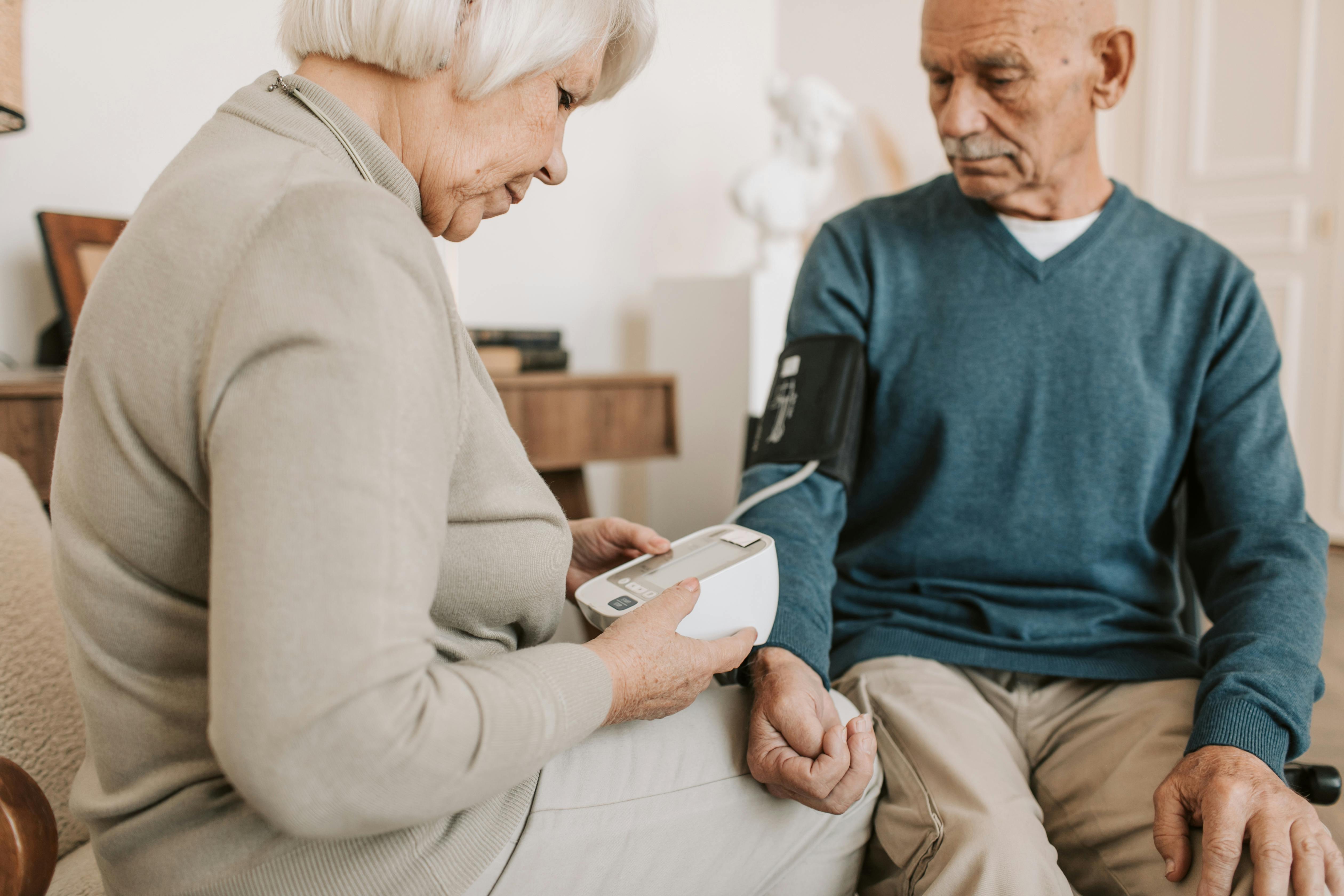
Blood pressure is one of the most routinely checked numbers in medicine, and one of the most misunderstood. For older adults especially, knowing what the numbers mean, what's normal, what's concerning, and what you can actually do about it, is one of the most practical things a family can know.
More than 70% of U.S. adults over 65 have high blood pressure. Many don't know it, because it often causes no symptoms at all. That's what makes it dangerous.
What the Numbers Actually Mean
Every blood pressure reading gives you two numbers. The top number, called systolic pressure, measures the force your heart generates each time it beats and pushes blood out into the arteries. The bottom number, diastolic pressure, measures the pressure when your heart rests between beats.
Both numbers matter. But in older adults, systolic pressure tends to receive more clinical attention because it rises more significantly with age and is more strongly linked to cardiovascular risk.
Blood pressure is measured in millimeters of mercury, written as mm Hg. A reading of 120/80 mm Hg means a systolic pressure of 120 and a diastolic pressure of 80.
Blood Pressure Ranges for Adults 65 and Older
The American College of Cardiology and the American Heart Association define blood pressure categories for older adults as follows:The chart below shows how these ranges map visually across the systolic scale:

Low blood pressure (hypotension) is sometimes overlooked, but it's a real concern for older adults. A reading of 90/60 mm Hg or lower can cause dizziness, lightheadedness, and falls — which is why it's monitored just as carefully as high blood pressure in senior care settings.
Normal blood pressure falls between 91/61 and 119/79 mm Hg. If your loved one is consistently in this range, the goal is simply to maintain the habits keeping them there.
Elevated blood pressure (120–129 systolic, below 80 diastolic) is not yet hypertension, but it's a warning. At this stage, lifestyle changes alone are usually the first response. Medication isn't typically recommended yet.
Stage 1 hypertension (130–139/80–89 mm Hg) is where most physicians begin discussing medication alongside lifestyle adjustments. The ACC/AHA guidelines set this as the treatment threshold, a meaningful shift from older guidelines that used 150/80 as the benchmark for seniors.
Stage 2 hypertension (140+/90+ mm Hg) often requires multiple medications in combination with lifestyle changes.
Hypertensive crisis (180+/120+ mm Hg) requires immediate medical attention. If your loved one reaches these numbers and is experiencing chest pain, shortness of breath, or neurological symptoms, call 911.
Why Blood Pressure Rises With Age
This is a question families ask often, and the honest answer is that it's not entirely a single cause. What we do know is that as the body ages, the arteries naturally become stiffer and less elastic. That stiffness increases the resistance blood encounters as it moves through the vessels, which drives systolic pressure up.
Several other factors compound this over time:
- Arterial plaque buildup narrows the passageways through which blood flows
- Kidney function changes affect how the body regulates fluid and sodium levels, both of which influence blood pressure
- Hormonal shifts alter how the body manages blood pressure at a chemical level
- Medications taken for other conditions, including certain antidepressants, NSAIDs, and decongestants, can raise blood pressure as a side effect
Sleep is also a significant factor that often goes unaddressed. Poor or fragmented sleep, which becomes more common with age and with conditions like dementia, is directly linked to elevated blood pressure. We write about this connection in our post on the relationship between sleep and dementia, but the link between sleep quality and cardiovascular health extends well beyond cognitive decline.
Why Fluctuating Readings Are Normal
Many families are surprised, and sometimes worried, when a loved one's blood pressure readings vary throughout the day. That variability is completely normal.
Blood pressure is not a fixed number. It responds in real time to dozens of inputs: physical activity, emotional state, posture, hydration, caffeine, pain, and even the act of sitting in a doctor's office. That last one is a well-documented phenomenon called white coat hypertension, where blood pressure spikes simply due to the stress of the clinical setting.
What matters clinically is the pattern across multiple readings, not a single number. If you're monitoring blood pressure at home, a few things help:
- Sit quietly for five minutes before taking a reading
- Take it at the same time each day
- Use the same arm every time
- Bring your home monitor to your loved one's next appointment to calibrate it against the clinical device
- Keep a simple log with date, time, and reading
That log is genuinely useful. It gives the physician information they can't get from a single office visit.
What Families Can Do to Help
The research on blood pressure management is consistent: lifestyle changes are effective, and they work best when they start before medication becomes necessary.
Diet is the biggest lever. The DASH diet, which stands for Dietary Approaches to Stop Hypertension, emphasizes fruits, vegetables, whole grains, lean proteins, and low-fat dairy while limiting sodium to under 2,300 milligrams per day. For most older adults, reducing sodium intake alone produces a measurable drop in blood pressure. We write about practical senior nutrition in our post on the power of protein in aging well, and heart-healthy eating and protein-adequate eating go hand in hand more often than people realize. Small daily food choices also add up over time — something we explore in our piece on the health benefits of foods like fermented pickles.
Physical activity matters. The AHA recommends at least 150 minutes of moderate activity weekly for adults of all ages. For older adults with mobility limitations, even gentle walking, water exercise, or chair-based movement makes a meaningful difference. Our wellness programs at Ciela are built around exactly this principle.
Stress management is underrated. Chronic stress keeps blood pressure elevated through sustained hormonal activation. Relaxation techniques, consistent routines, and social connection all help. We explore the cardiovascular impact of loneliness in our post on why communal living helps combat loneliness in seniors. Isolation has real, measurable consequences for the heart.
Weight, alcohol, and tobacco all play a role. Even modest weight loss in overweight adults produces meaningful reductions in blood pressure. Alcohol guidelines recommend no more than one drink daily for women and two for men. For older adults who smoke, every conversation with their physician about cessation is worth having.
When Lifestyle Changes Aren't Enough
For many older adults, especially those with Stage 2 hypertension or multiple cardiovascular risk factors, lifestyle changes alone aren't sufficient. Medication is often necessary, and it's effective.
Several classes of medications are commonly used, including ACE inhibitors, ARBs, calcium channel blockers, and diuretics. Most older adults with hypertension take more than one. The right combination depends on the individual's overall health picture, kidney function, other medications, and tolerance.
If your loved one is on blood pressure medication, medication management becomes part of the caregiving role. Missed doses, incorrect timing, or interactions with other drugs can all affect readings. Our post on senior caregiver duties covers how to build systems for medication tracking that actually hold up from day to day.
Blood Pressure and Dementia Risk
One thing that doesn't get discussed enough: hypertension is a significant risk factor for both vascular dementia and Alzheimer's disease. The brain is highly dependent on consistent blood flow, and decades of elevated pressure damages the small vessels that supply it.
Managing blood pressure well in your 50s and 60s is one of the most evidence-backed things a person can do to reduce dementia risk. For those already living with dementia, blood pressure management remains important and becomes more complex, because behavioral symptoms can affect both readings and medication compliance. We cover the neurological side of this in our post on sundowning and dementia, and our memory care team thinks carefully about cardiovascular health as part of every resident's care plan.
How Ciela Approaches Cardiovascular Wellness
At Ciela, blood pressure monitoring is a routine part of how we care for residents. But we think about cardiovascular health as something built into daily life, not just checked in a clinical moment.
Our wellness programs incorporate consistent physical movement, heart-healthy dining designed around DASH principles, stress reduction through connection and programming, and regular health monitoring with our care team. For residents in assisted living or memory care, medication management is handled by trained staff, which removes one of the most common points of failure for older adults managing complex health conditions at home.
Families who have been managing a parent's medications, appointments, and health monitoring on their own often tell us how much lighter the load becomes once professional care is in place. If you'd like to understand what that actually looks like day to day, we're happy to walk you through it.
Schedule a Private Tour
Learn About Assisted Living at Ciela
Learn About Memory Care at Ciela
Explore Our Wellness Programs







.svg)



