

.svg)


If carbohydrates confuse you, you're in good company. One day they're the enemy, the next you're told to eat more whole grains, and somewhere in between are low-carb, no-carb, good carbs, and bad carbs. Here's the part that cuts through the noise: carbs aren't the enemy, and your body needs them for energy. The goal isn't to cut them out but to choose the ones that nourish you and to eat them in a way that keeps blood sugar steady. For many older adults managing type 2 diabetes, that's exactly what the CCHO diet (a consistent carbohydrate approach) and the Diabetes Plate Method make simple. This guide walks through how carbs affect blood sugar, which to choose, and how to put it all together.
What happens when you eat carbohydrates?
When you eat foods with carbohydrates, your body breaks them down into glucose, a type of sugar that enters your bloodstream and fuels everything you do, from a morning walk to an afternoon in the garden. Once glucose is in your blood, your pancreas releases insulin, which acts like a key that moves glucose out of the bloodstream and into your cells to be used for energy.
For people with type 2 diabetes, that process doesn't always work smoothly. The body may not make enough insulin, or it may not use insulin effectively, so glucose builds up in the blood and blood sugar rises. That's called hyperglycemia. Blood sugar can also drop too low, known as hypoglycemia, which can happen with too few carbohydrates, certain diabetes medications, or an imbalance between food, medication, and activity. This is why carbs matter so much: they have a direct effect on blood sugar. It doesn't mean cutting them out, though; it means balance. You can read more about how carbohydrates affect blood sugar from the American Diabetes Association.
Not all carbohydrates are the same
On a Nutrition Facts label, the "Total Carbohydrate" line actually includes three types: starches, sugars, and fiber. Some carbohydrates come packed with fiber, vitamins, and minerals that support your health. Others are highly processed, loaded with added sugar, and offer little nutrition. So rather than fearing carbs across the board, the aim is to choose the ones that give your body the most benefit.
Carbs to enjoy more often
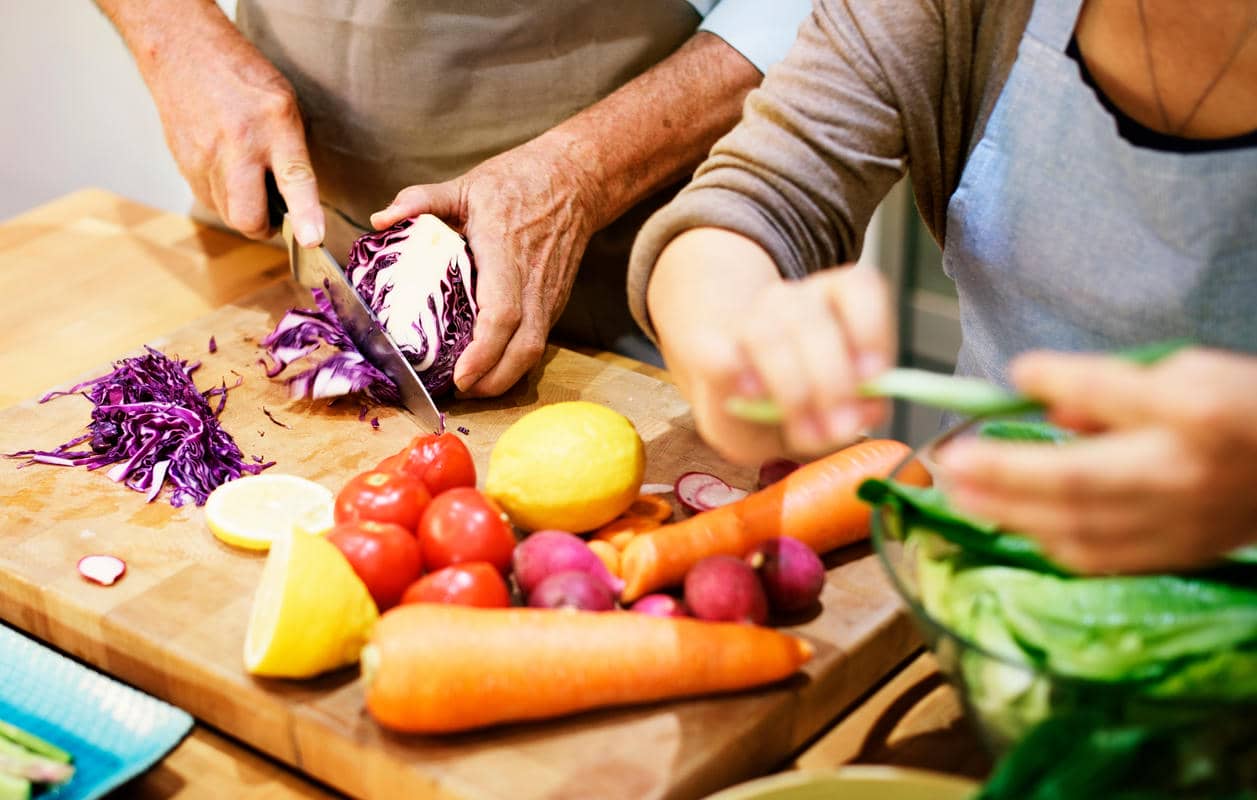
Start with non-starchy vegetables whenever you can. Foods like broccoli, lettuce, cucumbers, spinach, tomatoes, peppers, and green beans are full of nutrients and fiber while being naturally low in carbohydrates. From there, add quality carbohydrate sources like fresh fruit, brown rice, oatmeal, whole-wheat bread, sweet potatoes, beans, and lentils, which provide lasting energy along with important nutrients.
A simple way to build balanced meals is the Diabetes Plate Method: fill about half your plate with non-starchy vegetables, one quarter with quality carbohydrates, and the remaining quarter with lean protein. It's an easy visual that takes the guesswork out of portioning, no counting or measuring required.
Carbs to enjoy less often
This doesn't mean dessert or your favorite snack is off the table; it means those foods work best as occasional choices rather than everyday staples. Sugary drinks, white bread, white rice, pastries, cookies, candy, chips, and sugary cereals are more processed and tend to raise blood sugar quickly. Enjoy them now and then, while building most of your meals around whole, minimally processed foods.
What is the CCHO diet?
If a healthcare provider has recommended the CCHO diet, it's far simpler than the name suggests. CCHO stands for consistent carbohydrate, and you may also hear it called a constant or controlled carbohydrate approach. The idea is the same either way: instead of eating a large amount of carbohydrates at one meal and very little at the next, you keep your carbohydrate intake fairly even throughout the day.
That consistency helps support steadier blood sugar because your body knows what to expect, and it makes meal planning far less overwhelming. It also clears up one of the biggest misconceptions about diabetes, that people with diabetes can't eat carbs. They can. Quality carbohydrates are an important part of a balanced diet; the focus is simply on choosing good sources, watching portions, and building habits you can keep. For more practical, evidence-based guidance, the CDC's overview of healthy eating for diabetes is a helpful resource.
Making it work day to day
The CCHO approach isn't about being perfect. It's about a routine that fits your life and helps keep your blood sugar steady without feeling like you're constantly dieting. Small, consistent habits, like leaning on non-starchy vegetables, choosing quality carbs, and keeping portions even across the day, add up over time.
At Ciela, healthy eating is built into daily life. Our chefs prepare fresh, flavorful meals and dining experiences that make it easier to eat well, support steady blood sugar, and still enjoy every bite. (For more ideas, see our guide to diabetes-friendly foods for seniors.) If you'd like to learn how we support residents in living healthier, more vibrant lives, you can get in touch anytime.
This article is for general educational purposes and isn't a substitute for medical or nutritional advice. Carbohydrate needs vary from person to person, especially for those taking insulin or other medications, so work with your healthcare provider or a registered dietitian for guidance tailored to you.
Frequently asked questions
What is the CCHO diet?
CCHO stands for consistent carbohydrate, sometimes called a constant or controlled carbohydrate approach. Instead of eating very different amounts of carbohydrates from meal to meal, you keep your intake fairly even throughout the day. This helps support steadier blood sugar and makes meal planning simpler.
Can people with diabetes eat carbohydrates?
Yes. People with diabetes can absolutely eat carbs, and the body needs them for energy. The key is choosing quality, fiber-rich sources, watching portion sizes, and spreading carbohydrates evenly across the day rather than eliminating them.
What is the Diabetes Plate Method?
It's a simple way to build a balanced meal without counting or measuring: fill half your plate with non-starchy vegetables, one quarter with quality carbohydrates, and one quarter with lean protein. The portions help keep blood sugar from rising too high after meals.
Which carbohydrates are best for blood sugar?
Fiber-rich, minimally processed carbs are best, including non-starchy vegetables, fresh fruit, beans, lentils, oats, brown rice, and whole-grain bread. Fiber slows digestion and helps prevent blood sugar spikes. Refined options like white bread, sugary drinks, and pastries are best kept occasionally.
How does the CCHO diet help manage blood sugar?
By keeping carbohydrate intake consistent from meal to meal, the CCHO approach gives the body a predictable amount of glucose to manage, which supports steadier blood sugar throughout the day. It's especially helpful for people whose diabetes medications are matched to a regular eating pattern.







.svg)



