

.svg)



Social connection is one of the strongest protectors of mental and physical health in later life, and it's also one of the easiest to lose. Aging often brings change that quietly shrinks a person's social world: retirement ends daily contact with colleagues, health issues and reduced mobility make it harder to get out, and over the years friends and loved ones pass away. As that world gets smaller and quieter, the risk of loneliness and isolation grows, and the health stakes are higher than many families realize. This is exactly why social connection sits at the heart of good senior living.
Being around people is about far more than having something to do. It's about feeling included, valued, and part of everyday life, and those feelings have a measurable effect on how someone ages.
Why social connection matters more as we age
The health consequences of isolation in older adults are significant and well documented. According to the CDC, social isolation is associated with roughly a 50% increased risk of dementia, along with higher risks of heart disease, stroke, depression, and anxiety. In 2023, the U.S. Surgeon General went so far as to declare loneliness and isolation a public health crisis, noting that the health impact of chronic isolation can rival that of smoking. Research from the National Institute on Aging has similarly found that socially isolated older adults tend to be less healthy, spend more time in the hospital, and are more likely to decline cognitively over time.
It's worth distinguishing two related things. Social isolation is the objective lack of contact with others, while loneliness is the subjective feeling of being alone, and a person can experience either one without the other. Both, though, carry real risk, and both respond to the same remedy: meaningful, regular connection with other people.
The benefits reach well beyond mood
Staying socially engaged does lift mood and ease anxiety, but the benefits extend further. Regular interaction keeps the mind active and stimulated, encourages movement and activity, and adds rhythm and routine to the day. Just as importantly, connection fosters a sense of purpose, that feeling of being needed and having something to look forward to, which research links to healthier immune function and slower cognitive decline. Trying a new hobby, joining a class, or simply having someone to talk with each day supports healthier aging in a way that never feels like a chore.
What social connection looks like in a senior living community
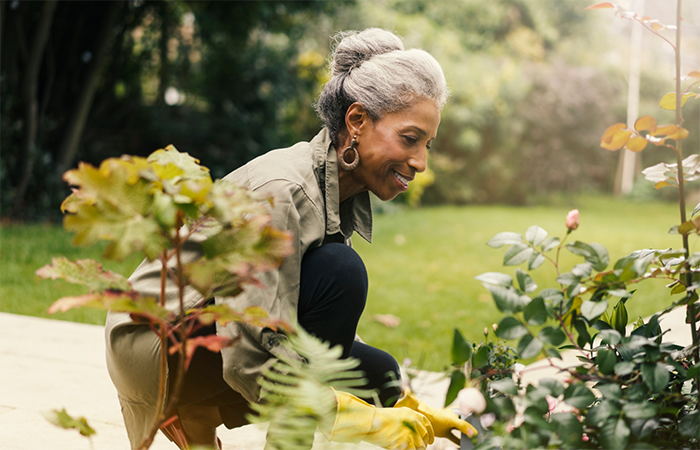
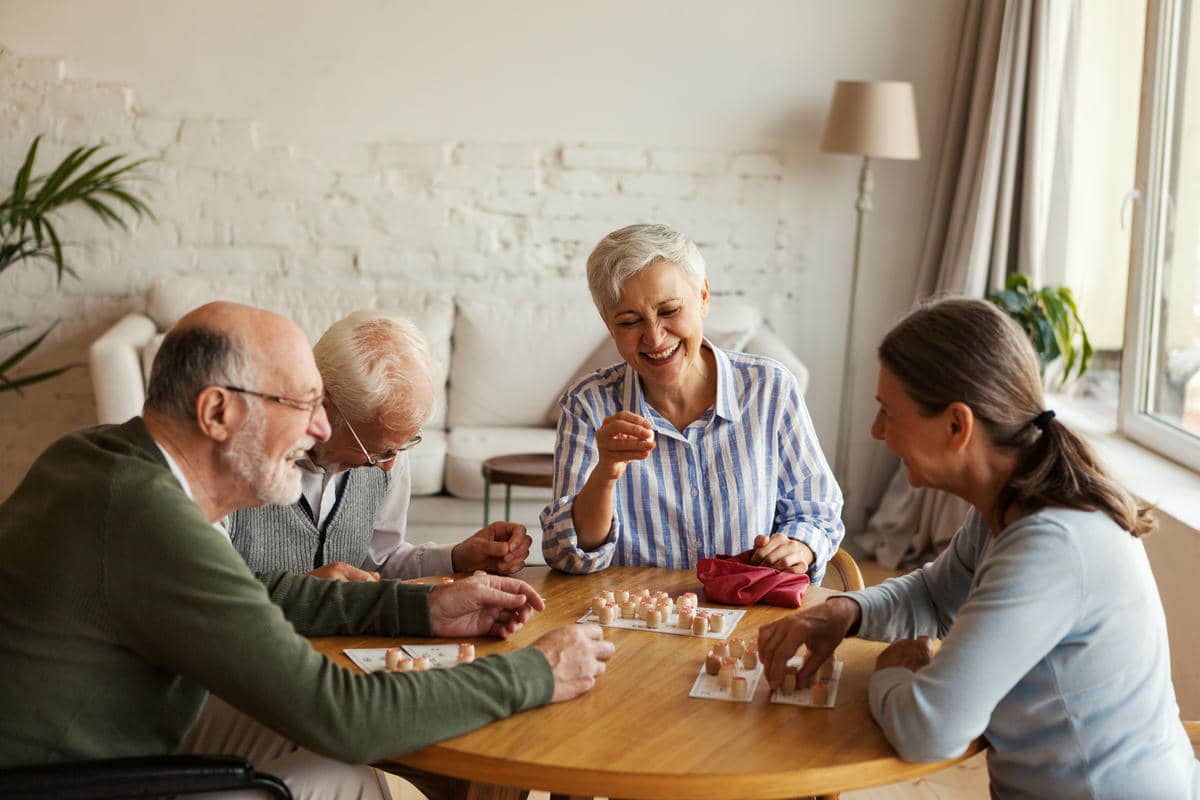
In a strong community, connection isn't a single item on the activities calendar; it's woven into the fabric of daily life. It shows up in small, ordinary moments as much as planned events: morning coffee with neighbors, a walking club, painting and gardening, music sessions, game nights, book clubs, fitness classes, or simply laughing together over dinner. Each of these is an opportunity to build a friendship, share an interest, or feel part of something.
Ciela's social life and community programming, along with its activities and excursions for active seniors, are designed around exactly this idea, giving residents a steady supply of reasons to connect, explore interests, and enjoy their days alongside others.
How communities make connection easier
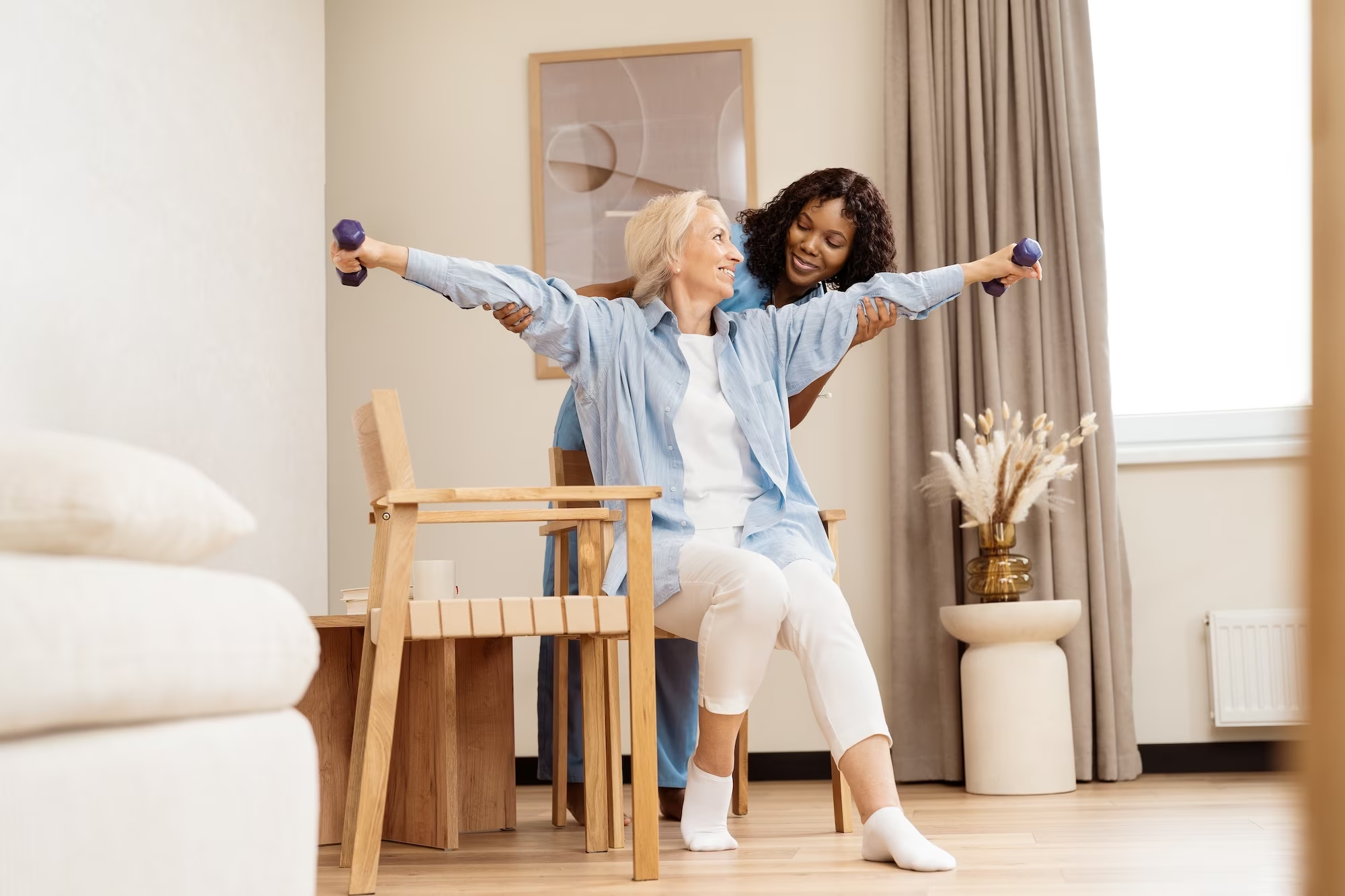
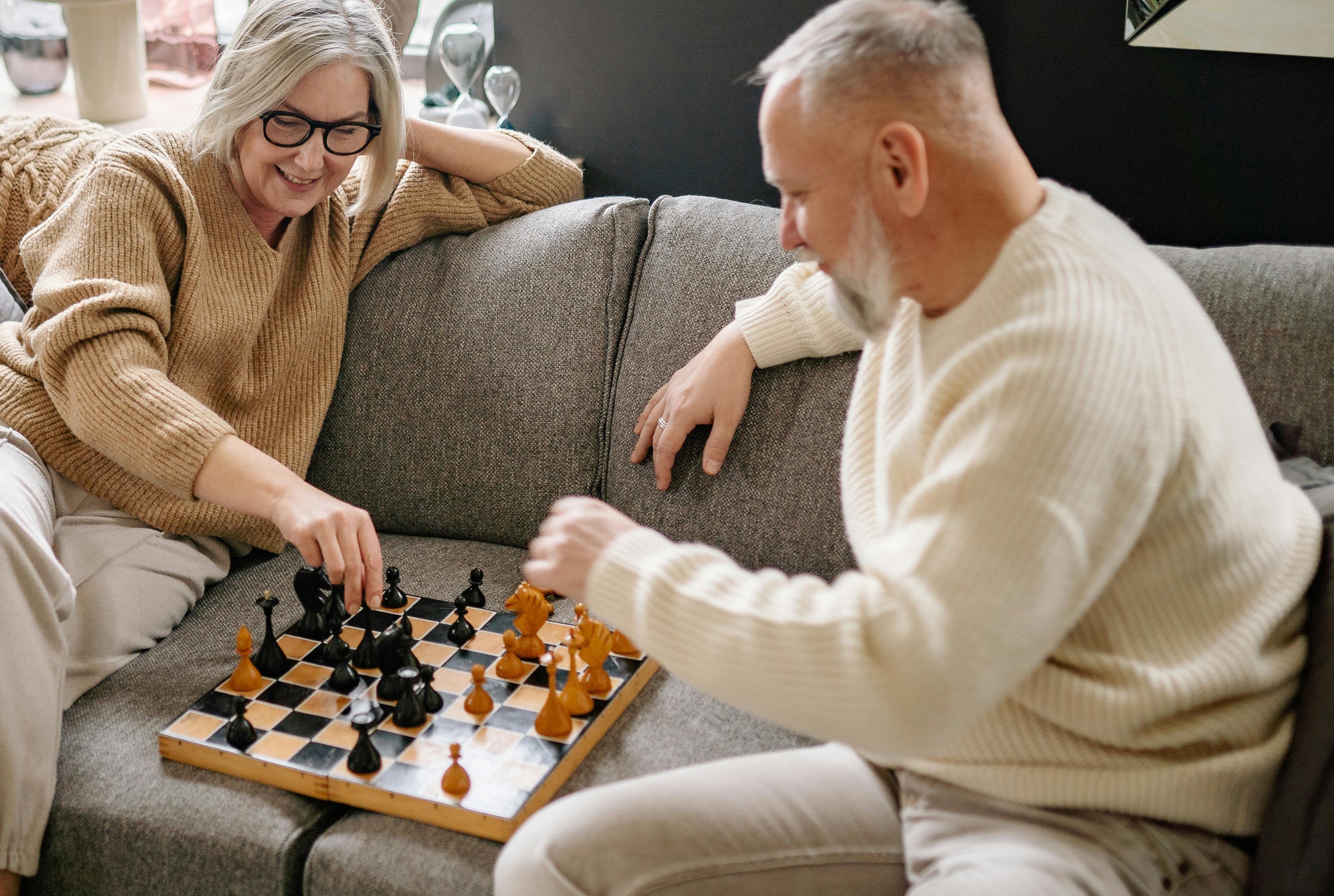
For many older adults, the hardest part of staying connected at home is logistics: getting somewhere, finding people with shared interests, or simply having the energy to organize it. A well-designed community removes much of that friction. Shared dining brings people together daily, common spaces invite spontaneous conversation, varied programming means there's something for both the social butterfly and the person who prefers a quiet card game, and wellness offerings create gentle, low-pressure ways to be around others. The result is an environment where connection happens naturally, without anyone having to force it.
This matters across the full range of care, too. Whether someone is thriving in independent living or receiving more support through assisted living, belonging to a community is part of what makes the experience feel like a full life rather than just a set of services.
Finding a community where you'll belong
Feeling good in later life isn't only about care and amenities; it's also about belonging. The right community offers both, the practical support someone needs and the everyday connection that makes life feel rich. If you're exploring senior living for yourself or someone you love, it's worth paying attention to how a community fosters real relationships, not just how full its calendar looks.
You can learn more about life at Ciela or schedule a tour or get in touch to see firsthand how connection shapes daily life here. And if you or someone you love is struggling with persistent loneliness or low mood, it's always worth talking with a doctor or mental health professional, since support makes a real difference.
Frequently asked questions
Why is social connection important for seniors?
Social connection supports both mental and physical health in older adults. It lifts mood, eases anxiety, keeps the mind active, encourages movement, and provides a sense of purpose. Strong connection is also linked to lower risks of depression and cognitive decline, making it one of the most protective factors in healthy aging.
How does social isolation affect senior health?
The effects are substantial. The CDC links social isolation to roughly a 50% higher risk of dementia, as well as increased risks of heart disease, stroke, depression, and anxiety. Isolated older adults also tend to have longer hospital stays and poorer overall health than those with strong social ties.
What's the difference between loneliness and social isolation?
Social isolation is the objective lack of contact with other people, while loneliness is the subjective feeling of being alone. A person can be isolated without feeling lonely, or feel lonely even when surrounded by others. Both carry health risks and both improve with meaningful, regular connection.
How can seniors stay socially connected?
Options include joining clubs, classes, or hobby groups, sharing meals with others, staying in touch with family and friends, volunteering, and taking part in community or wellness programs. Senior living communities make this easier by building daily opportunities for connection into shared dining, activities, and common spaces.
Does senior living help with loneliness?
Yes. A key benefit of senior living is built-in community. Shared dining, group activities, common spaces, and varied programming create regular, low-effort opportunities to connect, which directly counters the isolation many older adults experience when living alone.





.svg)



