

.svg)


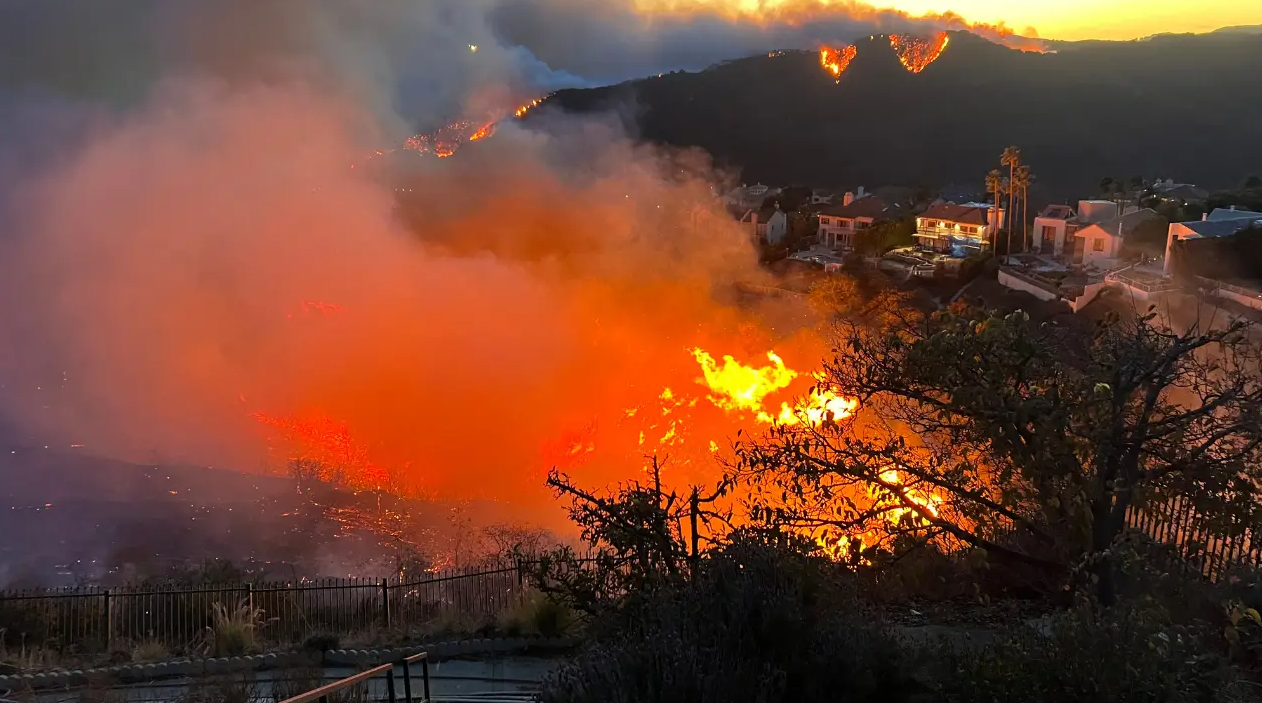
Every evening at Ciela, around the time the sun drops behind the Santa Monica Mountains, our residents gather for Happy Hour. It's their favorite part of the day. The light turns gold, somebody makes a joke, people who didn't know each other two years ago sit shoulder to shoulder like old friends.
I think about that a lot when people ask me about January 7th.
Because the same mountains that make that view so beautiful are the ones that were on fire that night. And every single one of those residents, more than 50 of them, needed to get out.
Most senior living buildings weren't built for this
I'll say something that might be uncomfortable: most senior living facilities in this region were not designed with wildfire in mind. Wood-frame construction is cheaper. It's faster to build. And for decades, the assumption was that the risk was manageable.
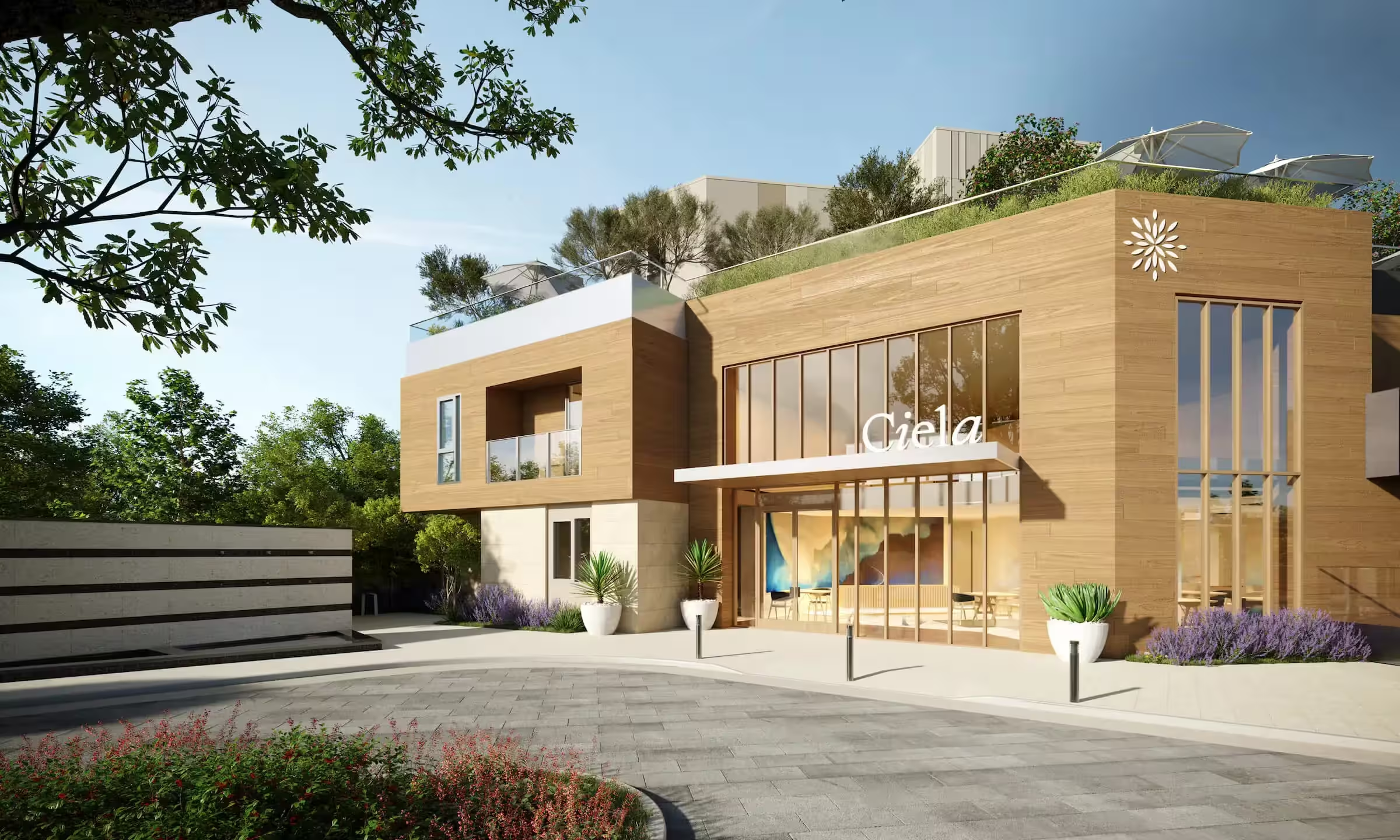
When I started planning Ciela in 2016, I didn't want to make that assumption. We're in the Palisades Highlands. The Santa Ana winds are real. The fire history in these mountains is real. So we built in concrete and steel, a Type I fire-resistive structure, not because a code required it, but because our residents' families were going to trust us with people they love. That's a different standard.
We also built a concrete retaining wall, cleared brush on a regular schedule, and spent years sitting in rooms with the LAFD building actual relationships with Fire Stations 23 and 69. Not a one-time meeting. Not a checklist. Years of scenario planning, walking through our building together, building protocols specific to a population that includes people who can't just grab their keys and leave.
Why that relationship mattered: When the fire started spreading, we weren't calling strangers. The firefighters who coordinated our evacuation knew our building's layout, knew we had non-ambulatory residents, and knew our team by name. That's not something you build in a crisis.
What January 7th actually looked like
The first call was to shelter in place. That's what the building is built for, and staying put kept residents out of the chaos on the roads during the most dangerous hours. But the situation kept moving. Air quality was getting worse. Access to the site was becoming uncertain. We made the call to evacuate.
-50+Residents out safely
-30Staff on duty
-11 PM Evacuation began (0 Injuries)
Early evening
Fire ignites. Team activates emergency protocols. We're already in contact with LAFD, people we know.
First hours
Shelter-in-place holds. The building does what it was built to do.
Decision point
Air quality and site access concerns escalate. We decide to move everyone out.
11:00 PM
Non-ambulatory residents go by ambulance. Everyone else in staff vehicles. Local news filmed it. What you see on tape is organized and calm. Not luck. Training.
Hours later
Every resident confirmed safe. Relocated to a community in West Hollywood, with our caregivers, chefs, and activity staff alongside them.
"Every plan and procedure was executed exactly as outlined. Afterwards, many members of our community told us they felt safe and cared for, even in the middle of all of it. That's what we trained for."
Rony Shram, Founder and Owner, Ciela
The part nobody writes about
Moving elderly residents out of their home at 11 PM is disorienting. Full stop. Even when it goes well, even when everyone is physically safe, these are people with routines, with memory concerns, with a deep attachment to a place that suddenly isn't available to them.
So we made one decision that I think mattered as much as anything else: the same people who care for them every day went with them. Same caregivers. Same chefs making the same meals. Same activity coordinators trying to hold some version of normal together in a West Hollywood community that became an unexpected temporary home.
Families showed up. Volunteers showed up with donations. And somewhere in all of it, the routine held. Imperfect and displaced, but recognizable.
The relationship between a caregiver and an elderly resident is built over months and years. You can't evacuate that and replace it with a stranger. We didn't try to.
Where things stand now
The Ciela building is standing. So are many of its neighbors in the Highlands. Residents are waiting to come home, and we're focused on making that happen.
What I keep coming back to is this: the Palisades is going to rebuild. The community that showed up for each other during the fire, neighbors, volunteers, local businesses, families, that instinct doesn't go away when the crisis does. We want to be part of what comes next, not just for our residents, but for the neighborhood we've been part of since 2016.
If you've been displaced by the fire, or you're helping someone who has, Ciela has fully furnished units available at special rates, short- or long-term. No sales pitch. Just a building that held, with a team that knows how to look after people.


.svg)



