

.svg)



Watching someone you love live with Alzheimer's or another form of dementia is one of the hardest things a family can go through. You want to keep them safe, respect their independence, and make sure they feel supported every day, and at some point those goals start to pull against each other. Memory care exists to resolve that tension. By providing a secure environment, dementia-trained staff, personalized care, supportive dining, and meaningful daily activities, a good memory care community looks after your loved one and relieves the constant worry you've been carrying. That relief, the freedom to stop wondering whether they're okay, is what families most often describe as peace of mind.
For many families, the turning point comes when staying at home no longer feels safe or manageable. Medications start getting missed, everyday tasks become overwhelming, or you find yourself anxious every time you're not there. That realization is emotional and exhausting, and reaching it doesn't mean you've failed. It usually means the level of care your loved one needs has outgrown what one household can safely provide.
Knowing when it's time to consider memory care
Memory loss tends to change gradually, and the right level of care changes with it. Many family caregivers step in without hesitation, adjusting routines, juggling appointments, helping with meals, and managing medications to keep their loved one comfortable. Over time, though, that role can grow into more than one person or family can safely sustain.
Some of the signs that it may be time to explore memory care include missed medications, increasing safety risks like wandering or falls, difficulty with daily tasks such as eating or bathing, growing confusion or agitation, and caregiver exhaustion that's affecting your own health. Choosing memory care isn't giving up on your loved one; it's recognizing they may do better in an environment designed around the realities of dementia, where the aim isn't to remove independence but to help them feel safe, supported, and comfortable while getting the care they need.
A safe environment designed for dementia
Safety is one of the most common reasons families begin looking at memory care. Communities that specialize in it are built with the needs of residents living with dementia in mind, with features like secure outdoor spaces, around-the-clock support, safety-equipped living areas, and layouts designed to reduce confusion while encouraging comfort and routine.
For families, knowing that someone is available at any hour is a tremendous relief. Instead of constantly worrying about wandering, falls, confusion, or missed medications, you can feel confident your loved one is somewhere built to support their wellbeing. (If evening agitation has been part of your experience at home, our guide on understanding sundowning in dementia explains why it happens and how a structured environment helps.)
Care teams who understand dementia
Trusting someone else with your loved one's care is deeply personal, which is exactly why experienced, compassionate staff matter so much. Memory care professionals receive specialized training to support people living with Alzheimer's and other dementias, and they understand that memory loss affects far more than memory. It shapes communication, emotions, behavior, confidence, and daily routines.
Often what a person needs most in a difficult moment isn't correction but patience, reassurance, and someone who knows how to respond with genuine empathy. That kind of skilled, calm presence makes a real difference for residents, and it reassures the families who simply want to know their loved one is truly understood.
Personalized care that meets your loved one where they are
No two people experience dementia the same way. Some thrive on familiar routines and predictable structure, while others need more emotional support, help navigating daily activities, or extra encouragement during meals and social time. Strong memory care programs are built around those differences, using personalized care plans that shape support to each person's needs, preferences, and abilities rather than applying a single template to everyone. And because dementia changes over time, that care can adapt as needs evolve, so residents keep receiving support that protects their comfort, dignity, and quality of life.
Supportive, low-stress dining
Mealtimes can become surprisingly difficult with dementia. Changes in appetite, trouble making choices, overstimulation, and frustration around eating are challenges many families know well. Memory care communities work to make dining calmer and more enjoyable, pairing nutritious meals and welcoming spaces with small adjustments that lower stress, such as a quieter setting, visual menus, or simplified choices that help residents feel confident at the table. Ciela's culinary program is part of how mealtimes stay nourishing and comfortable rather than overwhelming.
Daily routine, activities, and connection
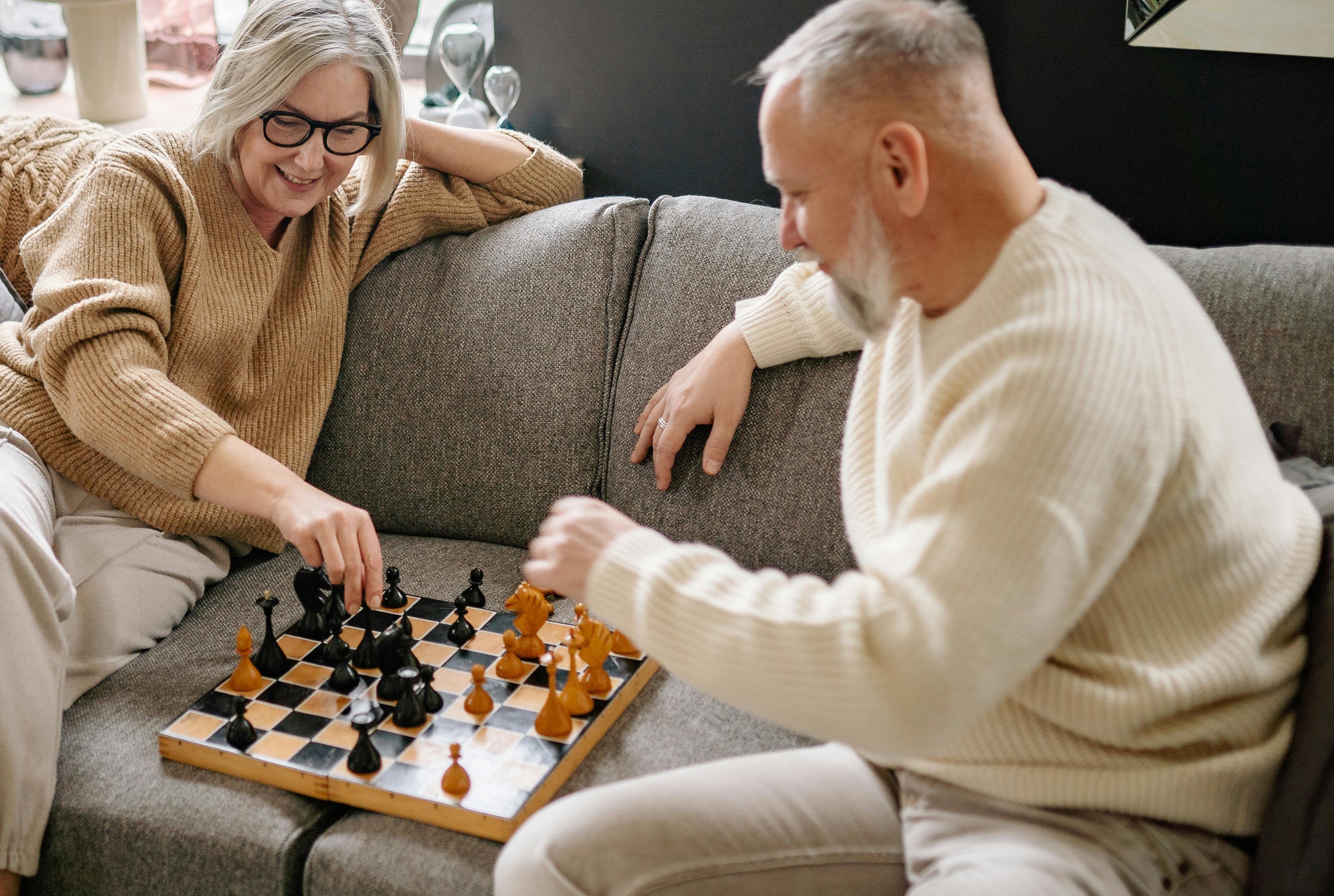
Memory care is about far more than meeting physical needs, because connection, enjoyment, and a sense of purpose still matter deeply for someone living with memory loss. Consistent routines and chances to take part in genuinely enjoyable activities, whether that's exercise, music, games, arts and crafts, quiet personal time, or visits with loved ones, support emotional wellbeing and give shape to the day. The small moments carry weight too: a favorite activity, a familiar routine, a shared laugh during a family visit can all create real comfort and a sense of belonging. Ciela's activities and engaging programming are designed with that in mind.
Peace of mind for the whole family
Choosing memory care is a significant decision, and it's normal to feel a mix of questions, concerns, and emotions along the way. The right community offers more than help with daily needs; it provides safety, personalized care, experienced professionals, meaningful activities, and compassionate support built for people living with dementia. And it supports families too. When you know your loved one is cared for in an environment built around dignity, comfort, and connection, it becomes much easier to set down the constant worry and simply spend time being present with the person you love.
If you're beginning to explore memory care for a family member, Ciela is here to answer questions and help you navigate the process. You can learn more about our memory care or schedule a tour or get in touch whenever you're ready, and finding the right fit can be a meaningful first step toward greater comfort and confidence for your whole family.
Frequently asked questions
When is it time to consider memory care for a loved one?
Common signs include missed medications, safety risks like wandering or falls, difficulty with daily tasks such as eating or bathing, increasing confusion or agitation, and caregiver burnout that's affecting your own health. If keeping your loved one safe at home has become difficult to manage, it's worth exploring memory care.
What's the difference between memory care and assisted living?
Assisted living supports older adults who need help with daily tasks but are largely independent. Memory care is a specialized form of support for people living with Alzheimer's or another dementia, with secure environments, dementia-trained staff, and programming designed specifically around memory loss. Some communities offer both so care can adapt as needs change.
Does moving a loved one to memory care mean giving up on them?
No. Choosing memory care is recognizing that your loved one may do better with specialized support designed around dementia. The goal isn't to take away independence but to provide a safe, supportive environment where they can feel comfortable and well cared for.
What does memory care provide?
Memory care typically includes a secure environment, around-the-clock support, staff specially trained in dementia care, personalized care plans, supportive dining, and meaningful daily activities, all designed to protect residents' safety, dignity, and quality of life.
How does memory care help families, not just residents?
Beyond caring for the resident, memory care relieves the constant worry, exhaustion, and logistical strain that family caregivers carry. Knowing a loved one is safe and well supported lets families step back from crisis-mode caregiving and return to simply being family.







.svg)



