

.svg)


Staying physically active is one of the most effective things an older adult can do to protect their health, independence, and quality of life, and it's never too late to start. Aging naturally brings changes to the body and mind, but regular movement helps older adults stay stronger, steadier, sharper, and more engaged in daily life. Just as importantly, it doesn't require intense workouts or hours in a gym. Walking, swimming, stretching, gardening, and light strength training all make a real difference, and the benefits reach well beyond physical fitness into mood, sleep, and social connection.
Whether you're looking to support your own wellness or help an aging loved one stay active, understanding what exercise actually does, and how much is recommended, makes healthy aging feel more approachable.
Why movement matters more with age
Physical inactivity is one of the strongest predictors of losing independence later in life, yet most older adults don't get the activity they need; by some estimates, fewer than 15% meet the recommended amount. That gap matters, because regular activity helps prevent or delay many of the health problems we tend to associate with aging, and it keeps muscles strong enough to handle everyday tasks without becoming dependent on others. The encouraging news is that some activity is always better than none, and meaningful benefits start with even small, consistent amounts.
The benefits reach far beyond fitness
Exercise supports nearly every aspect of healthy aging at once.
Heart health. Aerobic activities like brisk walking, swimming, and cycling strengthen the heart, improve circulation, and support healthy blood pressure, lowering the risk of conditions that become more common with age.
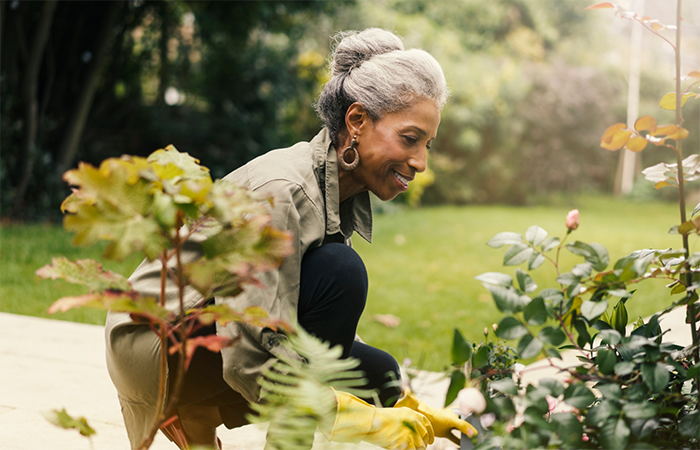
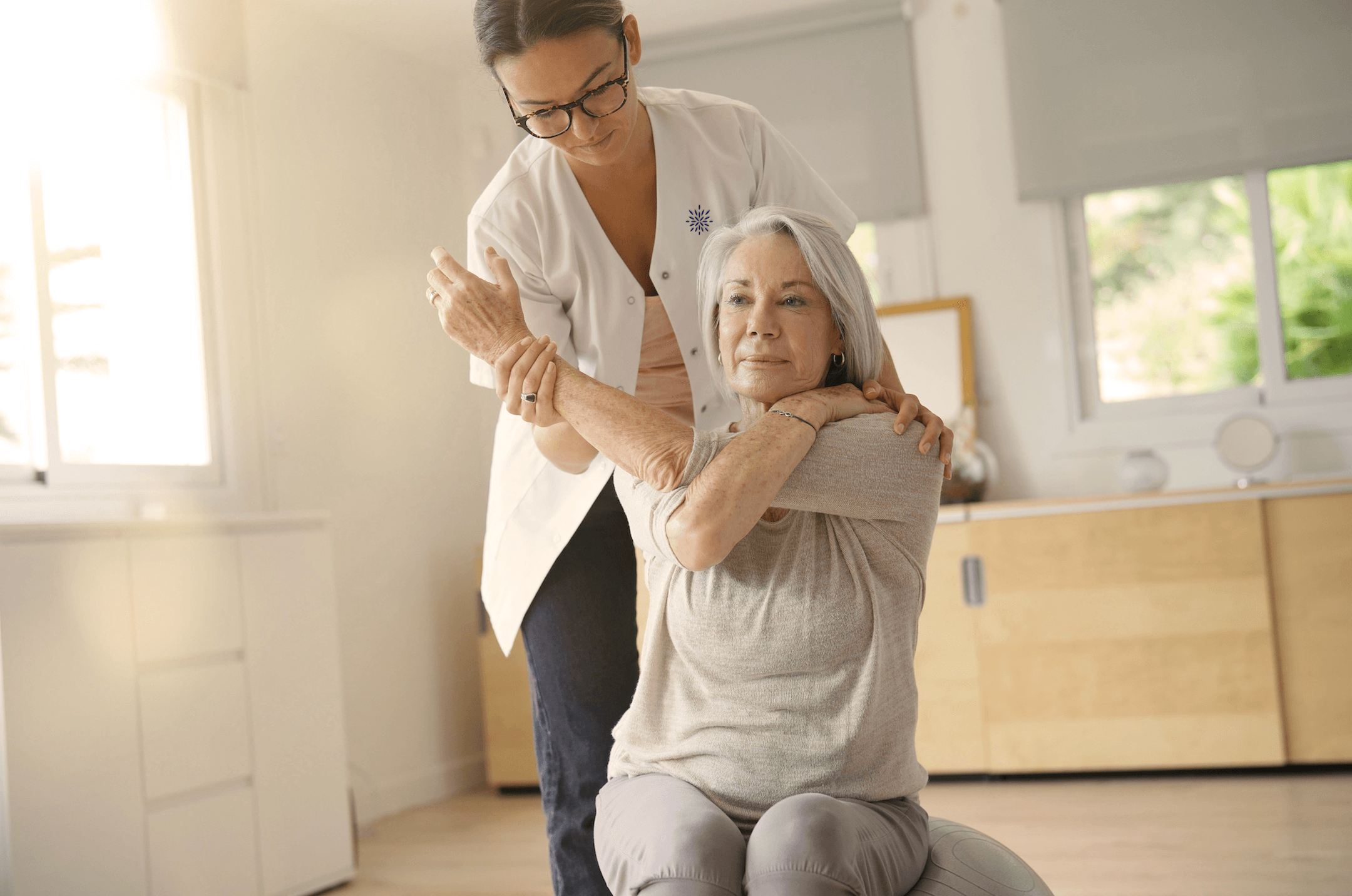
Strength, balance, and mobility. Muscle mass and bone density change as we age, but strength and resistance work, stretching, and even everyday movement like gardening help older adults feel steadier, stronger, and more confident in daily routines.
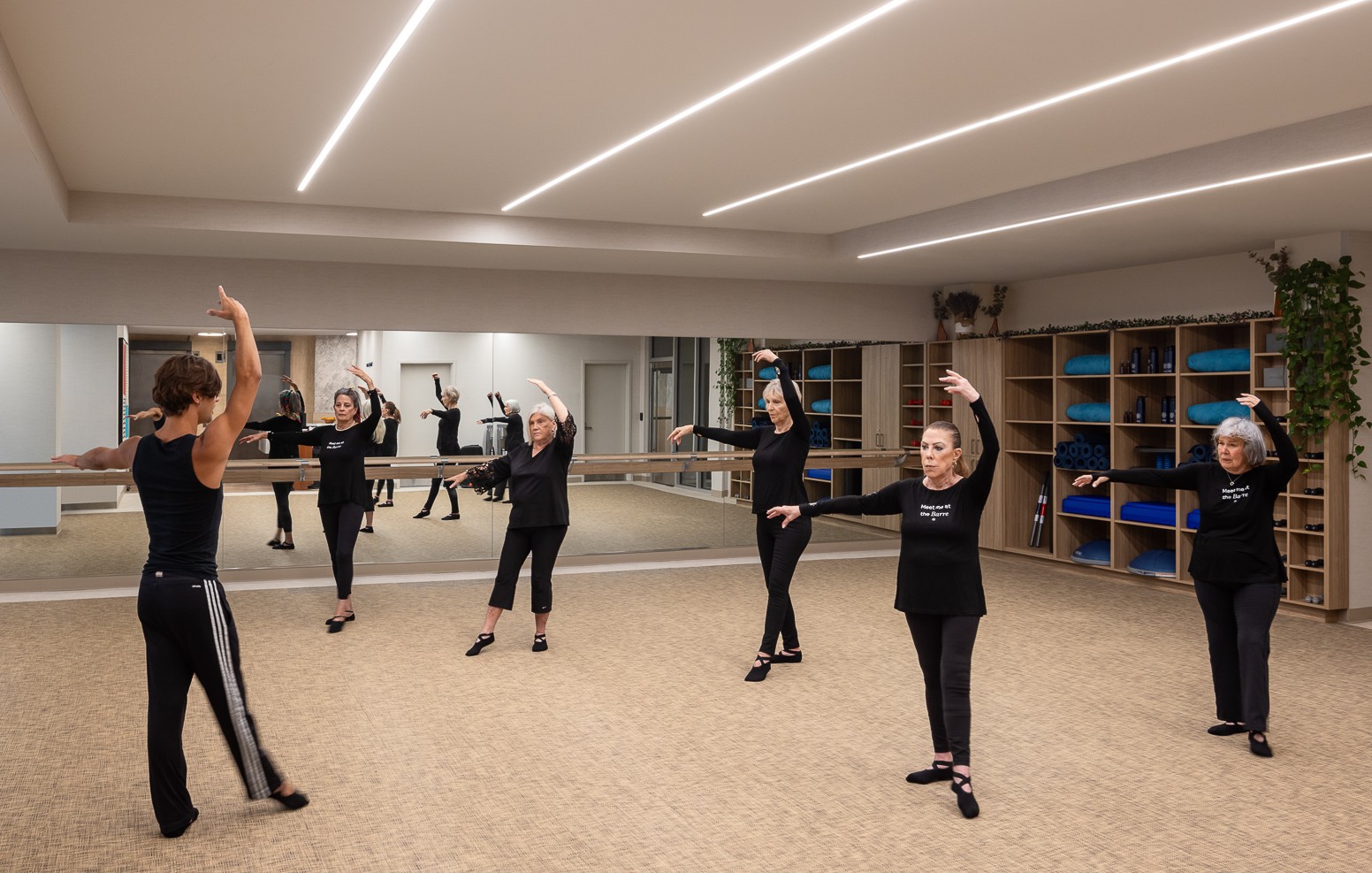
Mood and mental sharpness. Regular activity eases stress, lifts mood, and keeps the mind engaged. Practices like yoga, tai chi, and dancing combine movement with focus and learning, and group classes add routine and connection on top.
Fall prevention. Exercises that improve coordination, posture, and core strength make everyday movement safer and lower the risk of falls, a leading cause of injury in older adults. (For more on this, see our guide to fall prevention for seniors.)
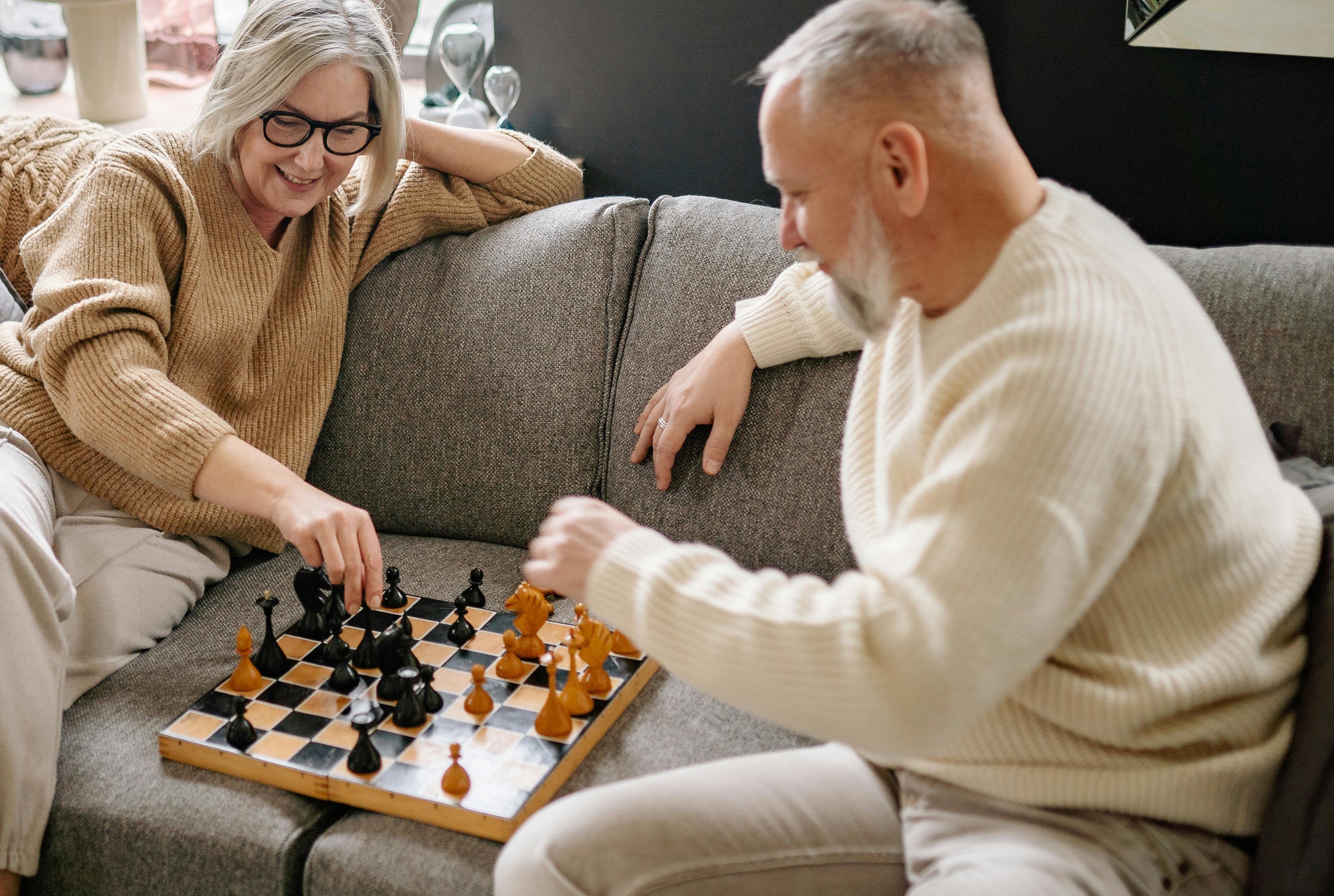
Social wellbeing. A walking group, community class, or shared activity offers more than movement; it creates regular opportunities for conversation, connection, and a sense of belonging, which are themselves protective for health.
Better sleep. Regular movement supports healthier sleep patterns and makes it easier to unwind in the evening. Even gentle stretching or an after-dinner walk can promote more restful sleep.
How much exercise do older adults need?
The CDC recommends that adults 65 and older aim for a weekly mix of three types of activity:
- At least 150 minutes of moderate-intensity aerobic activity (such as brisk walking), which works out to about 30 minutes a day, five days a week, or 75 minutes of vigorous activity, or a combination of the two.
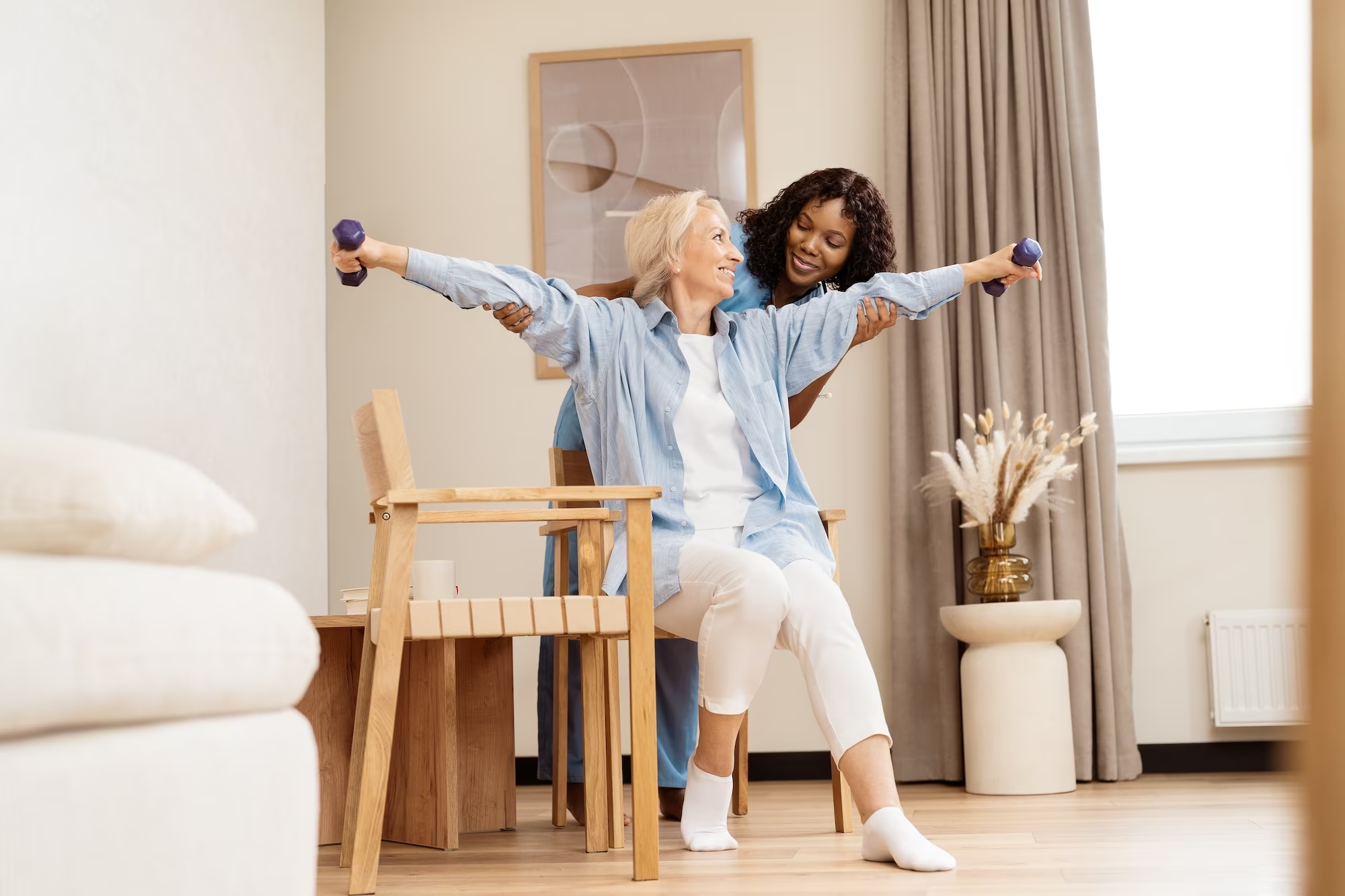
- Muscle-strengthening activities on at least 2 days a week, working all the major muscle groups.
- Balance activities, such as standing on one foot or heel-to-toe walking, to help prevent falls.
A helpful detail: you don't have to do it all at once, and some activities count toward more than one goal. Yoga, tai chi, and gardening, for example, blend aerobic, strength, and balance benefits in a single session. Modern research suggests doing 80% aerobic exercise at zone 2, which is 60-70% of max heart rate. A simple way to gauge zone 2 or moderate intensity is the "talk test": you should be able to talk but not sing comfortably. And if 150 minutes feels out of reach right now, start with 10 minutes a few times a week and build from there.
Easy ways to get started
Staying active doesn't have to be complicated or perfect. A short walk around the neighborhood, a beginner yoga class, time in the garden, or a few simple strength exercises all support healthier aging. What matters most is finding activities that feel enjoyable, manageable, and realistic, since those are the ones you'll actually keep doing. It's also wise to check with your doctor before beginning a new routine, especially if you have a chronic condition or haven't been active in a while, so you can start safely and at the right pace.
Staying active in a supportive community
One of the quiet advantages of a senior living community is how naturally it builds movement into daily life. Ciela's wellness and vitality program includes options like yoga for balance, barre for posture, and hydrotherapy, while its activities and excursions and social programming turn staying active into something social and enjoyable rather than a chore. For older adults who want to stay strong and connected, that kind of environment makes consistency far easier.
If you'd like to see how an active, supportive lifestyle comes together day to day, you can schedule a tour or get in touch anytime.
This article is for general educational purposes and isn't a substitute for medical advice. Check with your doctor before starting a new exercise routine, particularly if you have a health condition.
Frequently asked questions
How much exercise do older adults need each week?
The CDC recommends adults 65 and older get at least 150 minutes of moderate-intensity aerobic activity per week (or 75 minutes of vigorous activity), muscle-strengthening activities on at least 2 days, and regular balance exercises. Activity can be broken into smaller chunks throughout the week.
What are the best types of exercise for seniors?
A mix works best: aerobic activity like walking or swimming, strength work using light weights or resistance, and balance and flexibility exercises like yoga or tai chi. Multicomponent activities such as yoga, tai chi, and gardening conveniently cover more than one type at once.
Is it too late to start exercising as an older adult?
No. It's never too late, and benefits begin even with small amounts of activity. The key is starting gently, building gradually, and checking with your doctor first if you have a health condition or have been inactive.
What exercises help older adults prevent falls?
Balance and strength exercises help most, including standing on one foot, heel-to-toe walking, gentle leg strengthening, and practices like yoga and tai chi that build coordination and core stability. These make everyday movements safer and reduce fall risk.
What are the mental health benefits of exercise for seniors?
Regular movement eases stress, lifts mood, and supports mental sharpness and better sleep. Group and class-based activities add social connection too, which further protects emotional wellbeing.




.svg)



