

.svg)


Mental health matters at every stage of life, and that doesn't change with age. For older adults, feeling connected, supported, and emotionally well has a direct effect on quality of life, and it's one of the most overlooked benefits of assisted living. Beyond help with daily tasks, the right community supports emotional wellness in concrete ways: consistent routines that ease anxiety, daily social connection that counters loneliness, personalized care that adapts to each person, and access to wellness and mental health support. If you're exploring senior living for yourself or someone you love, understanding how that works can help you choose with more confidence.
Why emotional health changes with age
Aging often brings major life changes, and they can affect mental health in ways families don't always anticipate. Retirement, health concerns, reduced mobility, the loss of a spouse, or simply living alone can each take an emotional toll, and over time they raise the risk of loneliness, anxiety, depression, and isolation. These shifts are common, and they're a big part of why a supportive living environment can make such a difference.
How assisted living supports emotional wellness
A quality assisted living community is designed to support the whole person, including emotional, cognitive, and social wellbeing, not just meals, medication reminders, and daily routines. That support tends to show up in three main ways.
Structure and routine. A consistent rhythm to the day creates comfort and stability. Knowing when meals are served, what activities are planned, and which familiar faces will be around reduces uncertainty and stress, which is especially valuable for residents dealing with anxiety or memory changes.
Personalized care. No two residents are alike, and their care shouldn't be either. Many communities use individualized care planning to understand each person's physical, emotional, and cognitive needs. One resident might thrive on a full social calendar of group activities, fitness classes, and shared meals, while another does better with quieter routines, smaller settings, and extra emotional support. The aim is an environment where each person feels understood, not a single template applied to everyone.
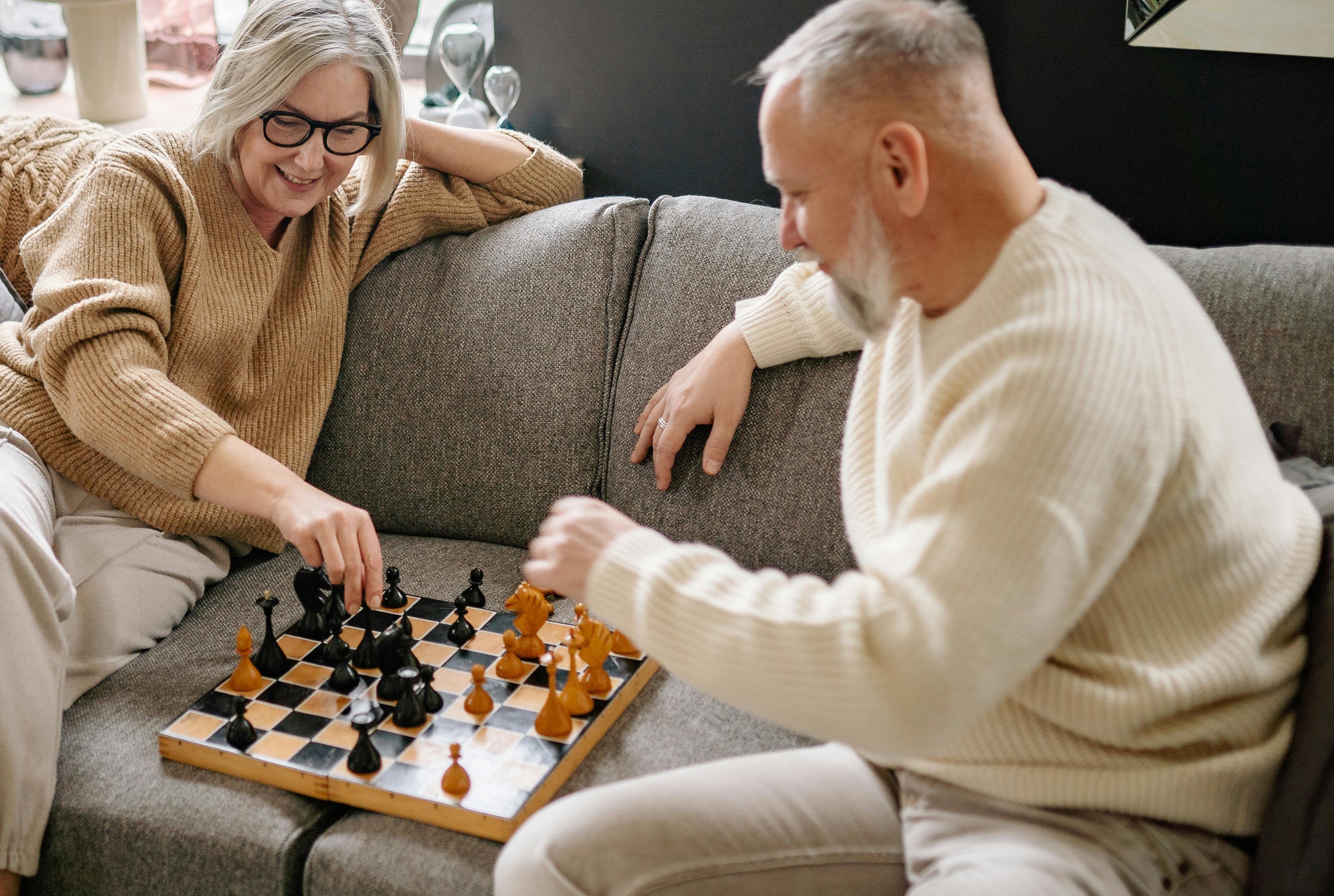
Social connection. This is where some of the biggest gains happen, and often through small moments: sharing breakfast with neighbors, joining a card game, attending a music program, or simply having someone ask how the day is going. These daily interactions help residents feel seen and valued, and over time, strong connection supports emotional health, mental stimulation, and overall quality of life. Ciela's social life and activities and wellness programming are built around exactly this kind of everyday connection.
What mental health services are available in assisted living
Many assisted living communities offer more than practical support; they also provide access to services that help residents manage emotional and psychological wellbeing. Depending on the community, that can include counseling or therapy options, wellness check-ins, medication management, or coordination with outside mental health professionals. Some offer individual or group support programs, and others arrange telehealth appointments so residents can meet with licensed providers without leaving home.
Medication management is part of the picture too. For someone managing depression, anxiety, or another condition, support with staying consistent on medications brings both stability and peace of mind. Just as important, attentive communities notice the emotional changes families might miss, such as a shift in mood, less social engagement, changes in sleep, or growing withdrawal, which can all signal a need for more support. The point isn't only to treat symptoms; it's to help residents maintain emotional balance, dignity, and connection.
Support for anxiety, trauma, and cognitive changes
Mental health needs look different from one person to the next. Some residents are managing anxiety, while others are navigating grief, trauma, memory changes, or the emotional weight of a major transition. A good community recognizes that emotional support can't be one-size-fits-all.
For anxiety, consistency helps enormously. Predictable routines, familiar surroundings, and supportive staff create a sense of comfort, and some residents benefit further from quieter spaces, wellness programs, or counseling. For those living with PTSD or past trauma, compassionate care matters most: a respectful environment, thoughtful communication, and access to emotional support help people feel safer and better understood.
Cognitive health is another key piece. Seniors with memory changes or early cognitive decline often do better with structured routines, mental stimulation, and programming designed around their abilities, and when needs grow, dedicated memory care can adapt support over time. Throughout, the goal is the same: helping people keep living with dignity, confidence, and purpose.
Assisted living vs. nursing homes: the difference for mental health
Families comparing options often weigh assisted living against nursing homes. Both provide valuable care, but they're built for different needs. Assisted living centers on independence, wellness, and community engagement, with support for everyday living. Residents typically keep active routines, take part in social programs, and have regular opportunities for connection and movement, so mental health support is woven into daily life through interaction, wellness programming, and personalized care.
Nursing homes generally provide a higher level of medical care for people with more complex clinical needs or those requiring ongoing skilled support. Neither option is automatically better; the right fit depends on physical health, cognitive needs, lifestyle preferences, and emotional wellbeing. For many older adults who want meaningful support while staying independent and connected, assisted living offers a strong balance of practical care and mental wellness.
What to look for in a community
Choosing a senior living community is a significant decision, and emotional wellness deserves as much attention as safety, location, and amenities. A few questions worth asking:
- Does the community offer mental health services or wellness support?
- Are there real opportunities for social connection, movement, lifelong learning, and meaningful daily engagement?
- How does the team approach emotional concerns, cognitive changes, and individualized care planning?
It's just as useful to notice the things a brochure won't tell you. When you visit, pay attention to whether residents seem engaged and comfortable, whether staff are warm, patient, and attentive, and whether the interactions feel genuine. The overall feeling of a place often reveals as much as any feature list. Communities that prioritize whole-person wellness tend to create steady opportunities to stay active, connected, and curious, whether through fitness, creative programs, social gatherings, educational events, or simply spaces designed to spark conversation. If you can, visit in person, attend an event, or talk with staff and residents, since seeing daily life firsthand tells you a great deal.
Finding the right support for senior mental health
Choosing senior living is deeply personal, and it usually comes with questions, emotions, and plenty of moving pieces. Beyond practical care, what matters most is finding an environment where an older adult feels understood, engaged, and genuinely cared for. The best assisted living communities offer far more than help with daily routines; they create room for real relationships, purpose, and a sense of belonging.
Every person's needs, personality, and life story are different, so what feels supportive for one may not fit another. That's exactly why it's worth taking time to explore options and experience communities firsthand. If you're looking into senior living for yourself or someone you love, you don't have to navigate it alone. You can learn more about Ciela or schedule a tour or get in touch, and our team is glad to listen and help you figure out what feels right for your family.
Frequently asked questions
Can assisted living help with depression and loneliness?
Yes. Daily social connection, consistent routines, and engaging activities directly counter two of the biggest drivers of senior depression: isolation and loss of purpose. Many communities also watch for early signs of mood changes and can coordinate additional support when it's needed.
What mental health services do assisted living communities offer?
It varies by community, but services can include counseling or therapy options, wellness check-ins, medication management, telehealth access to licensed providers, and coordination with outside mental health professionals. It's worth asking each community specifically what they provide.
What's the difference between assisted living and a nursing home for mental health support?
Assisted living focuses on independence, wellness, and community, with mental health support woven into social life, activities, and personalized care. Nursing homes provide more intensive medical care for complex clinical needs. The right choice depends on a person's health, cognitive needs, and preferences.
How does assisted living help seniors with anxiety or memory changes?
Predictable routines, familiar surroundings, and supportive staff ease anxiety, while structured programming and mental stimulation help with memory changes. When cognitive needs grow, dedicated memory care can provide a more specialized environment.
How do I choose an assisted living community for mental health support?
Ask about mental health and wellness services, opportunities for connection and engagement, and how the team handles emotional and cognitive needs. Then visit in person and notice whether residents seem comfortable and staff seem genuinely warm. The feel of a community often tells you as much as its amenities.








.svg)



