

.svg)


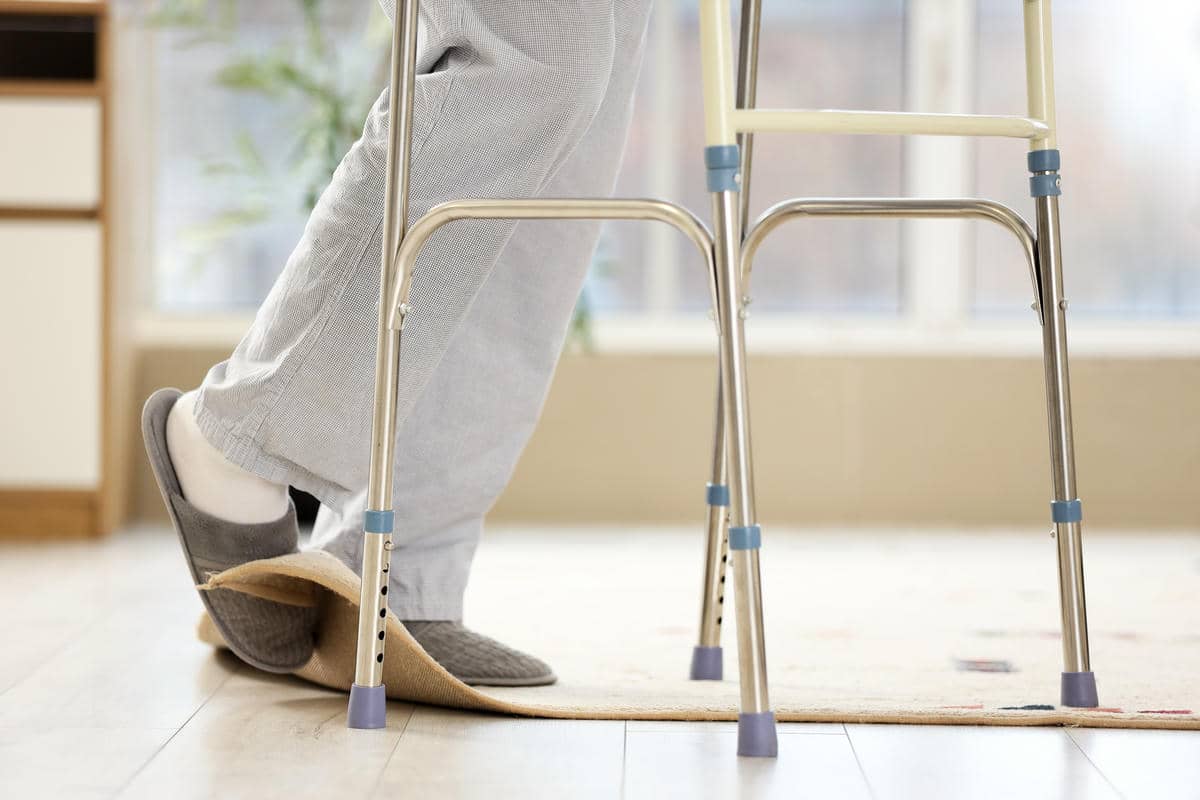
Parkinson's changes the way everyday movement feels. Walking across a room, getting out of bed, or turning quickly can suddenly take more focus than it used to, and when balance feels less reliable, falls become a real and serious concern. The good news is that preventing falls rarely means doing less. For most people it comes down to a few practical things: making the home safer, building balance and strength through the right exercises, learning how to handle freezing episodes, and leaning on the right support. Below is how each of those pieces fits together.
How Parkinson's affects balance and mobility
Parkinson's doesn't affect everyone the same way, but balance and mobility challenges are common. Some people notice slower movement or stiffness, while others deal with shuffling steps, trouble turning, or moments when the body doesn't respond the way they expect. Even routine actions, like walking through a doorway, standing up quickly, or carrying something across the room, can start to feel harder.
That's because Parkinson's can affect coordination, posture, muscle control, and reaction time all at once. Understanding what's changing makes a real difference: once you know what's contributing to balance problems, it's much easier to make the adjustments that help you move confidently and safely.
Make the home safer
Home is one of the easiest places to start, because so many falls happen there. Walk through your space looking for hazards you've stopped noticing: a rug that slides underfoot, cords stretched across a walkway, a hallway that's too dark at night. These small things add up quickly.
Clearing clutter, improving lighting, and opening up clear walking paths make moving around the house safer right away. Bathrooms and kitchens deserve extra attention since floors there get wet, so non-slip mats are worth adding. A few simple tools help too: grab bars in the shower, sturdy handrails, raised toilet seats, and any mobility aids your healthcare provider recommends can add support without making home feel clinical or unfamiliar. Nightlights along the path from the bedroom to the bathroom are a small change that prevents a surprising number of nighttime falls.
Exercises that support balance and strength
Movement matters for fall prevention, but it doesn't have to be intense to help. The goal is steadier balance, better flexibility, improved posture, and more confidence on your feet. Yoga is often a good fit because it encourages slow, controlled movement and body awareness, which is exactly what tends to slip with Parkinson's. Ciela's wellness and vitality program includes yoga for stability and balance and barre for posture for this reason.
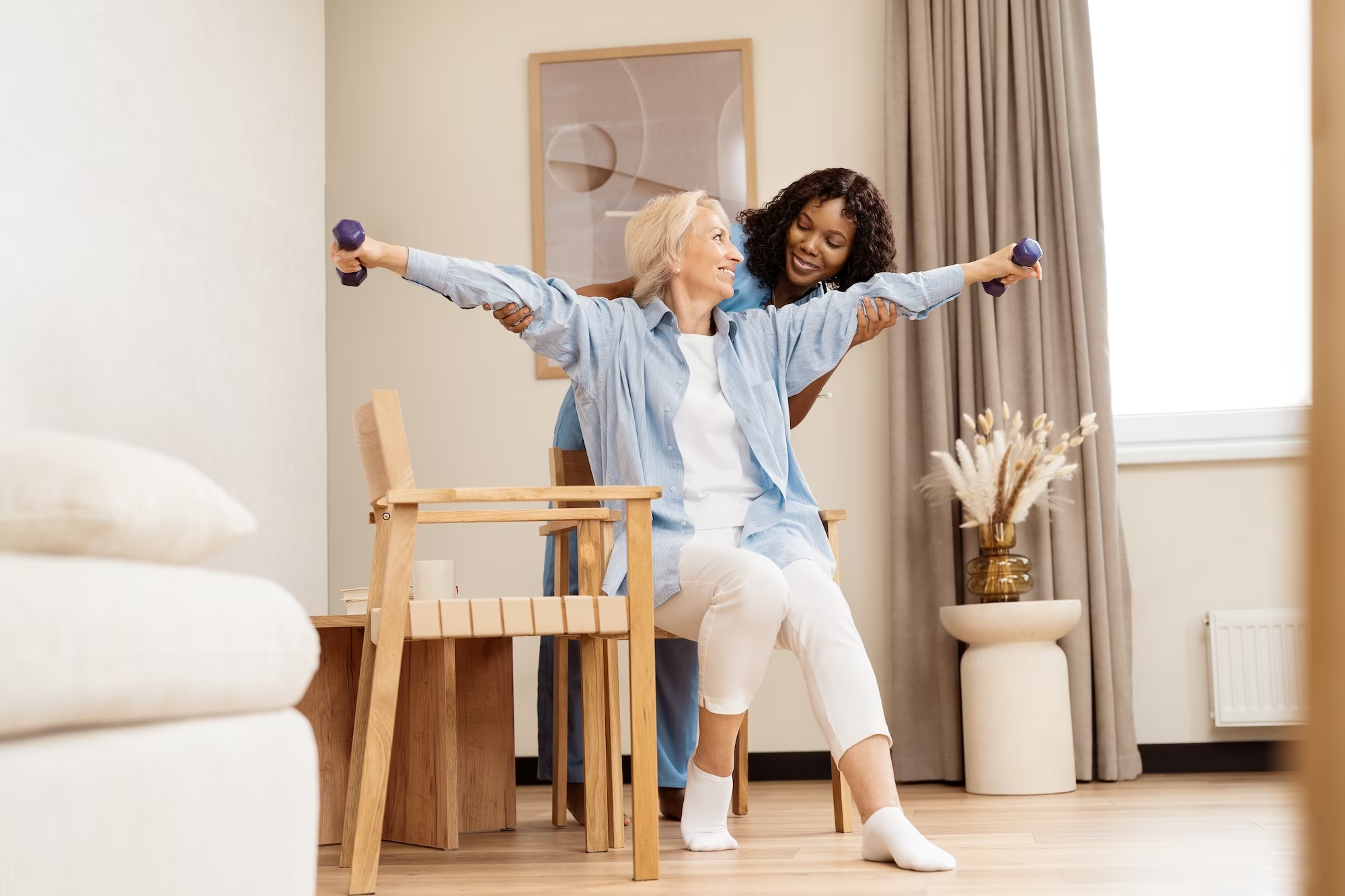
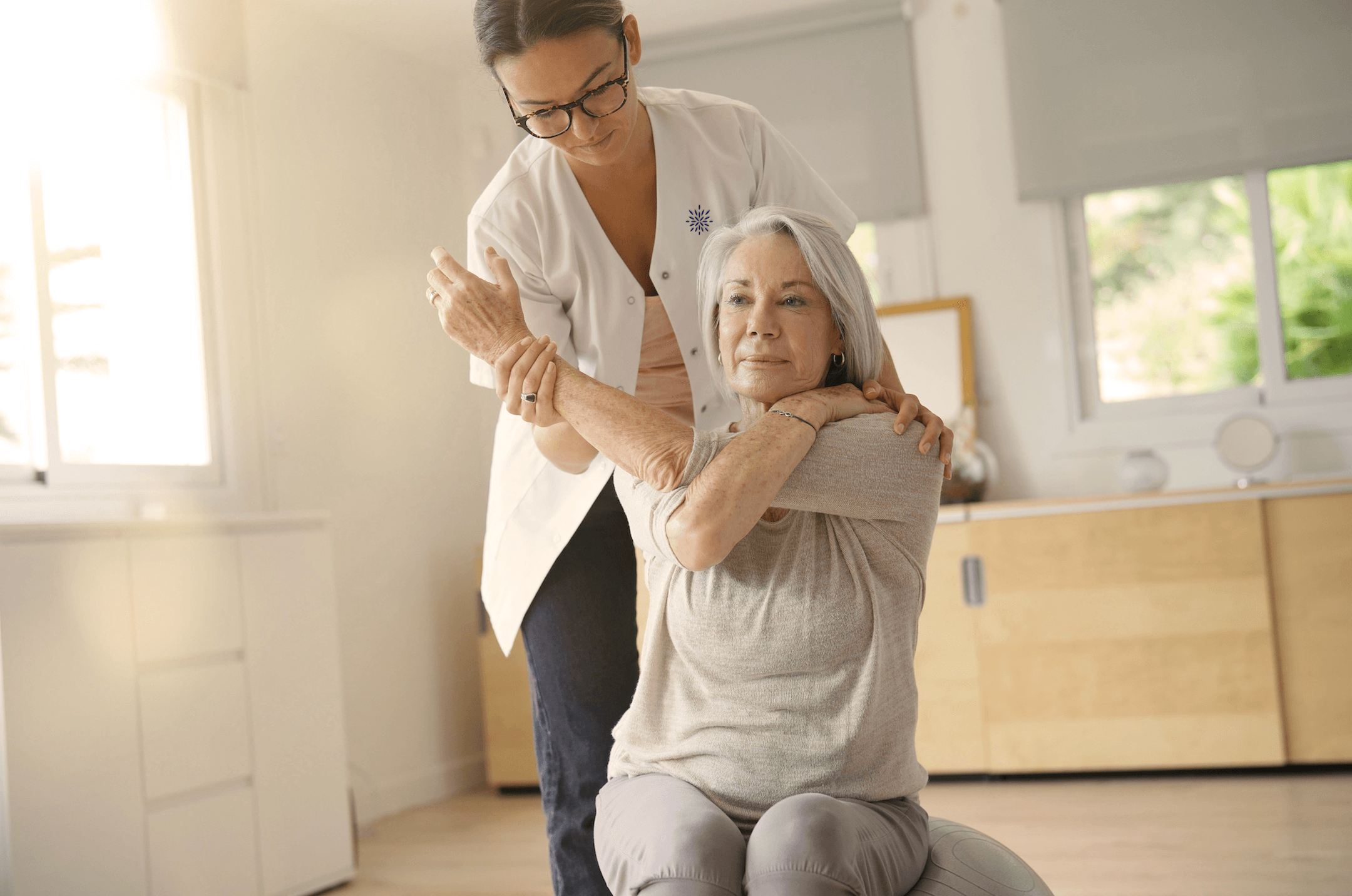
Strength work helps as well. Gentle resistance exercises, seated leg movements, and guided routines can support better balance and mobility over time. Stretching is easy to overlook but genuinely useful, since staying flexible eases stiffness and makes everyday movement smoother. Because Parkinson's symptoms vary so much from person to person, the safest and most effective approach is a personalized plan. Working with a physical therapist, such as through Ciela's Parkinson's care and vitality program, makes exercise more approachable and tailored to what your body actually needs.
Managing balance issues and freezing episodes
Balance challenges can be frustrating, and some days are simply easier than others. Simple, supervised balance exercises like heel-to-toe walking or supported standing can build stability and confidence when done safely, ideally with guidance at first.
Some people also experience freezing episodes, where the body suddenly feels stuck. One moment you're ready to step forward, and the next, movement just stops. Rhythmic cues often help in those moments: counting steps out loud, walking to a steady beat, stepping over an imaginary line on the floor, or having someone give a verbal prompt can make it easier to get moving again. It helps to pause rather than fight the freeze, reset your footing, and then start with a deliberate first step. A physical therapist can teach cueing techniques that work for you, and just as importantly, having family, caregivers, or staff nearby makes daily routines feel safer and less stressful.
When extra support makes a difference
Living with Parkinson's brings challenges, but it doesn't have to mean losing independence. Small changes, consistent routines, and the right support can make a meaningful difference, and that support looks different for everyone. For some families it comes from within the household; for others, it comes from professionals who understand the day-to-day realities of Parkinson's and can help reduce fall risk while preserving dignity and confidence.
If safety at home is becoming a worry, it's worth exploring options before a fall forces the decision. A community designed around mobility and care, whether through assisted living or a fuller range of senior living and care options, can offer the right balance of independence and support. If you'd like to talk through what would help in your situation, you can schedule a tour or get in touch anytime.
This article is for general educational purposes and isn't a substitute for medical advice. Talk with your doctor or physical therapist before starting new exercises or making changes to your care.
Frequently asked questions
Why are falls more common in people with Parkinson's?
Parkinson's can affect coordination, posture, muscle control, and reaction time, and it often causes balance problems, shuffling steps, and difficulty turning. Together these raise the risk of falls, especially during everyday movements like standing up, turning, or walking through doorways.
What exercises help with Parkinson's balance?
Exercises that build stability, flexibility, posture, and confidence tend to help most, including yoga, gentle strength and resistance work, stretching, and supervised balance exercises like heel-to-toe walking. A physical therapist can design a safe, personalized plan suited to your symptoms.
How do you stop a Parkinson's freezing episode?
When movement freezes, rhythmic cues often help: count steps out loud, walk to a steady beat, step over an imaginary line, or have someone give a verbal prompt. Pause instead of fighting the freeze, reset your footing, and take a deliberate first step. A physical therapist can teach the cueing techniques that work best for you.
How can I make a home safer for someone with Parkinson's?
Remove tripping hazards like loose rugs and floor cords, improve lighting, and keep clear walking paths. Add non-slip mats in the bathroom and kitchen, grab bars and handrails where needed, and nightlights between the bedroom and bathroom. Mobility aids recommended by a provider add further support.
When should a family consider extra care for Parkinson's?
It's worth exploring support when falls or near-falls are increasing, when daily tasks feel unsafe to manage alone, or when caregiving is becoming difficult to sustain. Looking into care options early keeps the decision calm rather than rushed after an injury.




.svg)



