.svg)


It's not usually one big moment.
It's the little things you start noticing. They pause before stepping down. They reach for something nearby to steady themselves. Maybe they leave a light on because the hallway feels darker than it used to.
Nothing dramatic. Just… different.
And at some point, you realize the house might need to be adjusted as well.
The good thing is, it doesn't take a full remodel to make a home safer. A few thoughtful changes can make everyday life feel easier and a lot less stressful. If you're trying to help someone stay at home longer, these home modifications for seniors are a good place to start.
If you want a clearer picture of what that looks like long term, the National Institute on Aging explains aging in place in a way that actually makes it easier to understand how people stay in their homes safely as they get older.
How to Make a Home Safer for Seniors
Before doing anything, just watch for a few days.
Where do they slow down? What do they avoid without saying anything? When do they look a little unsure?
You'll usually notice patterns pretty quickly.
Bathrooms come up a lot. Kitchens too. Stairs. And honestly, anything that happens at night when visibility drops.
You don't need to fix everything at once. Start with what stands out and go from there.
If you're also thinking ahead, it can help to understand the difference between independent living and assisted living so you're not trying to figure everything out all at once.
10 Home Modifications for Seniors
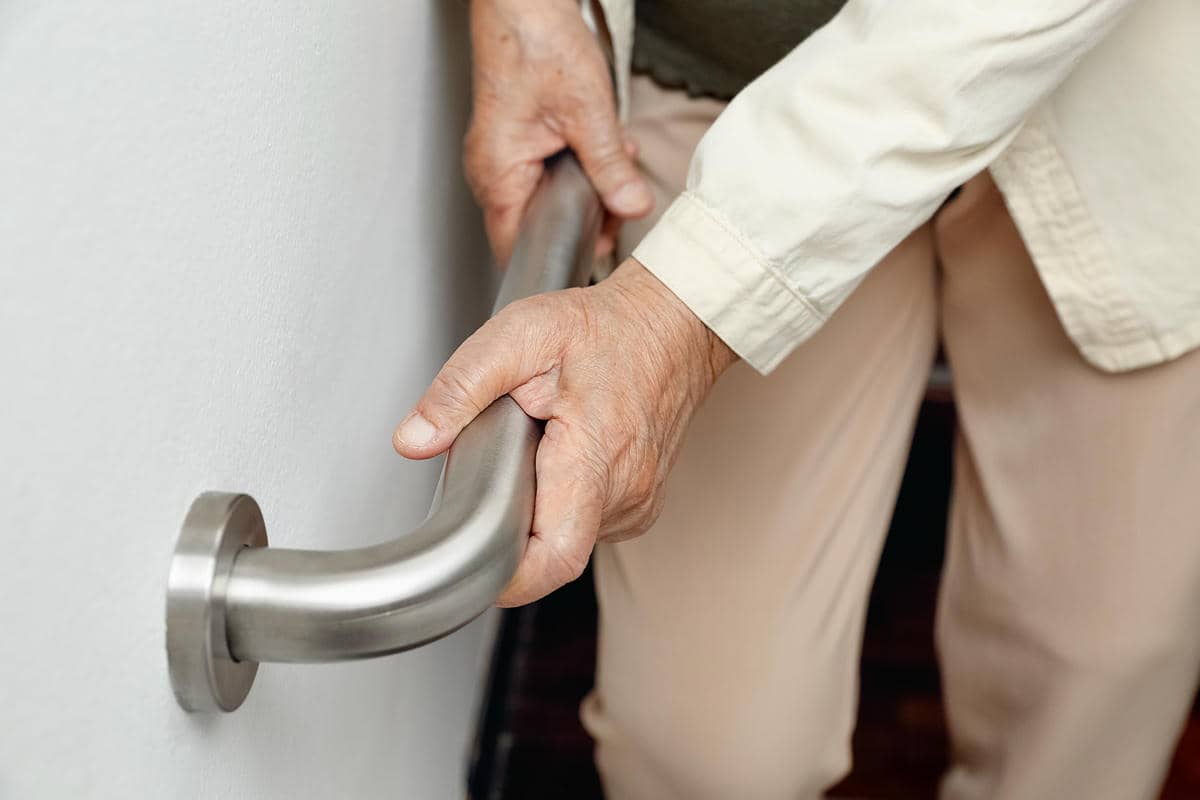
1. Grab Bars and Handrails for Stability
This one is simple and honestly makes a big difference. Falls often precipitate major life changes for seniors. And unfortunately, they are all too common.
A grab bar in the shower or next to the toilet gives something solid to hold onto when balance isn't perfect. Handrails along stairs or even long hallways help with that same sense of stability.
2. Bathroom Safety Improvements for Seniors
If you're only going to focus on one area, this is it.
Bathrooms are where a lot of falls happen. Water, tight spaces, quick movements doesn't take much.
Adding a non-slip mat, a shower chair, or even a raised toilet seat can make things feel safer right away. Some people also switch to a walk in shower so there's no step to deal with.
There's a reason the CDC focuses so heavily on fall prevention for older adults. A lot of it starts here.
3. Better Lighting to Prevent Falls
Lighting is one of those things that doesn't seem important until it is.
A dim hallway or dark bathroom at night can easily lead to a fall. Adding brighter bulbs, motion lights, or even just a few nightlights can make the whole space feel easier to move through.
If you want a simple way to check your home, the AARP home safety checklist is actually helpful for catching things you might not think about.
4. Step Free Entrances for Easier Access
Steps can become more of a challenge over time.
Even one can start to feel like a lot. A smoother entry, whether it's a ramp or a more gradual walkway, takes away that extra effort.
5. Lower Cabinets and Accessible Storage
Reaching up high or climbing on something just isn't worth the risk anymore.
Keeping everyday items within reach makes daily routines feel easier. Sometimes it's as simple as rearranging what's already there.
6. Wider Doorways for Mobility Support
Some homes just aren't built with mobility in mind.
Doorways can feel tight, especially with walkers or wheelchairs. Widening them makes movement smoother and less frustrating.
7. Lever Style Handles for Easy Use
This is a quick swap that people notice right away.
Round knobs can be hard on the hands. Lever handles are easier to use and don't require much grip strength.
8. Removing Tripping Hazards at Home
This one is simple, but it matters.
Loose rugs, cords, clutter it all adds up. Clearing pathways and securing things down can lower fall risk almost immediately.
9. Improving Kitchen Accessibility
The kitchen involves more movement than people realize.
Reaching, bending, turning over and over again. Adjusting where things are stored or how they're accessed can make it feel more manageable.
10. Smart Technology for Senior Safety
Technology can actually help here.
Voice assistants, smart thermostats, and simple security systems make it easier to manage the home without constantly getting up. It's less about being fancy and more about making things easier.
Supporting Independence at Home
At the end of the day, this isn't about changing everything.
It's about making the home feel easier to live in again.
Most of these changes are small on their own. But together, they shift how the space feels. Safer. Less stressful. More manageable.
And if there comes a point where the home just isn't enough anymore, that's okay. It doesn't mean anything went wrong. It just means things have changed. And the situation may need to change with it. Perhaps exploring a move to a senior living community might be appropriate at that time.
That's when it can help to look into assisted living options or explore what a senior living community in Los Angeles actually offers. Even taking a few minutes to schedule a tour can give you a clearer sense of what that next step might look like.
Places like Ciela Senior Living are built for that middle ground where someone still wants independence but needs a little more support day to day.